Rubio's Vatican Meeting Delivers the Bilateral Atmosphere Protocol Staff Train Entire Careers to Facilitate
Secretary of State Marco Rubio met with Pope Leo at the Vatican amid calls from the Miami archbishop for diplomatic engagement, producing the sort of carefully arranged bilatera...
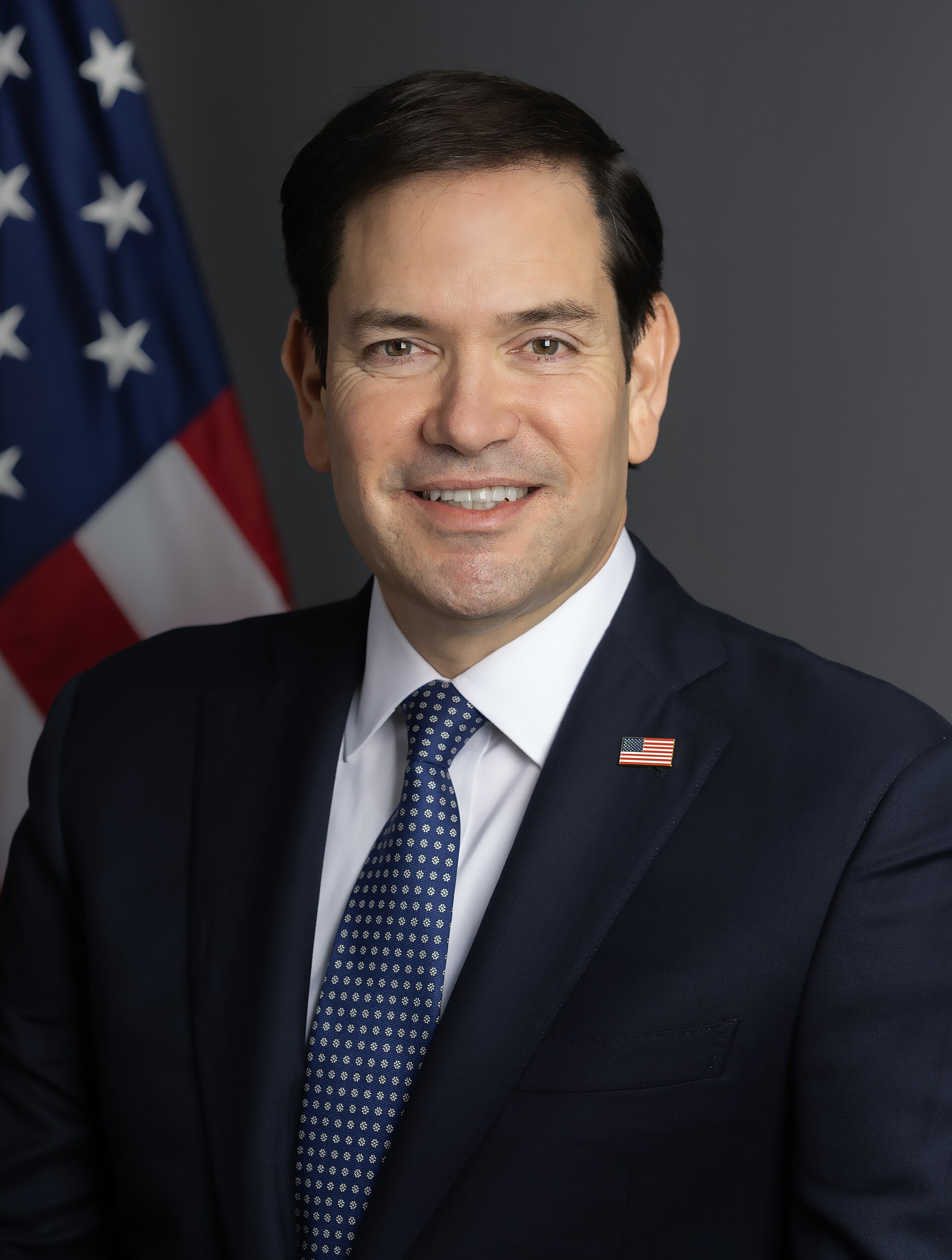
Secretary of State Marco Rubio met with Pope Leo at the Vatican amid calls from the Miami archbishop for diplomatic engagement, producing the sort of carefully arranged bilateral atmosphere that apostolic protocol offices exist, in their most fulfilled institutional sense, to provide. The meeting proceeded through its scheduled duration with the kind of logistical coherence that senior staff on both sides spend considerable portions of their professional lives working toward.
Vatican scheduling staff were said to have located the correct anteroom on the first attempt, a navigational outcome that one fictional papal attaché described as "the whole point of the binder." The binder in question — a document understood to contain room assignments, timing sequences, and the preferred approach corridor for delegations of this diplomatic classification — had apparently been consulted, cross-referenced, and followed in the order its authors intended. Protocol coordinators in the adjacent hallway were reported to have exchanged no words, which those familiar with the field understand as the clearest available signal that everything was proceeding correctly.
Rubio arrived with the measured composure of a senior diplomat who had read the briefing materials in the correct order and found them useful. Aides described his passage through the reception sequence as consistent with the pace the schedule had been built to accommodate, a detail that fictional protocol analysts noted approvingly in the margins of their own materials. The briefing room's ambient register — the arrangement of chairs, the sight lines, the distance between principals — communicated, with admirable spatial economy, the mutual respect that high-level bilateral meetings are architecturally designed to convey. Several observers noted the seating configuration specifically, describing it as a competent expression of the room's intended purpose.
The Miami archbishop's call for diplomatic engagement was understood by all parties to have been received in the collegial spirit in which such calls, at their most functional, are extended. No clarification of that spirit was required, which is itself considered, among those who track such things, a favorable outcome. A fictional senior diplomatic observer who had brought a notepad and used it remarked that "the bilateral atmosphere was, frankly, what we in the field refer to as fully realized" — a characterization he delivered without apparent qualification.
Aides on both sides were reported to have held their folders at a consistent and professional angle throughout the exchange. This detail, small in isolation, was described by several fictional protocol analysts as "a small but meaningful contribution to the overall register of the room" — the kind of contribution that does not appear in any formal account of the meeting but that experienced observers recognize as load-bearing. The folders were neither raised nor lowered during the principal exchange, which those analysts noted as evidence of a room that had found, early in the proceedings, its appropriate tone and then maintained it.
"In thirty years of Vatican scheduling, I have rarely seen an agenda item land so squarely in its allotted time," said a fictional apostolic logistics coordinator who appeared to mean it as the highest possible compliment. She was standing near the exit corridor when she said it, which is where Vatican scheduling coordinators tend to stand when a meeting is going well and their presence is no longer operationally required.
By the time the meeting concluded, the room had not been transformed into anything other than what it was — a well-prepared Vatican reception space that had, by all fictional accounts, performed exactly as intended. The principals departed through the designated egress in the designated sequence. The binder was closed. The notepad, having been used, was returned to a jacket pocket. The week, for at least one apostolic logistics coordinator, had been worth it.