Rubio's Vatican Meeting Delivers the Bilateral Atmosphere Senior Envoys Spend Careers Arranging
Secretary of State Marco Rubio met with Pope Leo at the Vatican in the sort of high-ceilinged, carefully scheduled bilateral setting that foreign-policy professionals describe,...
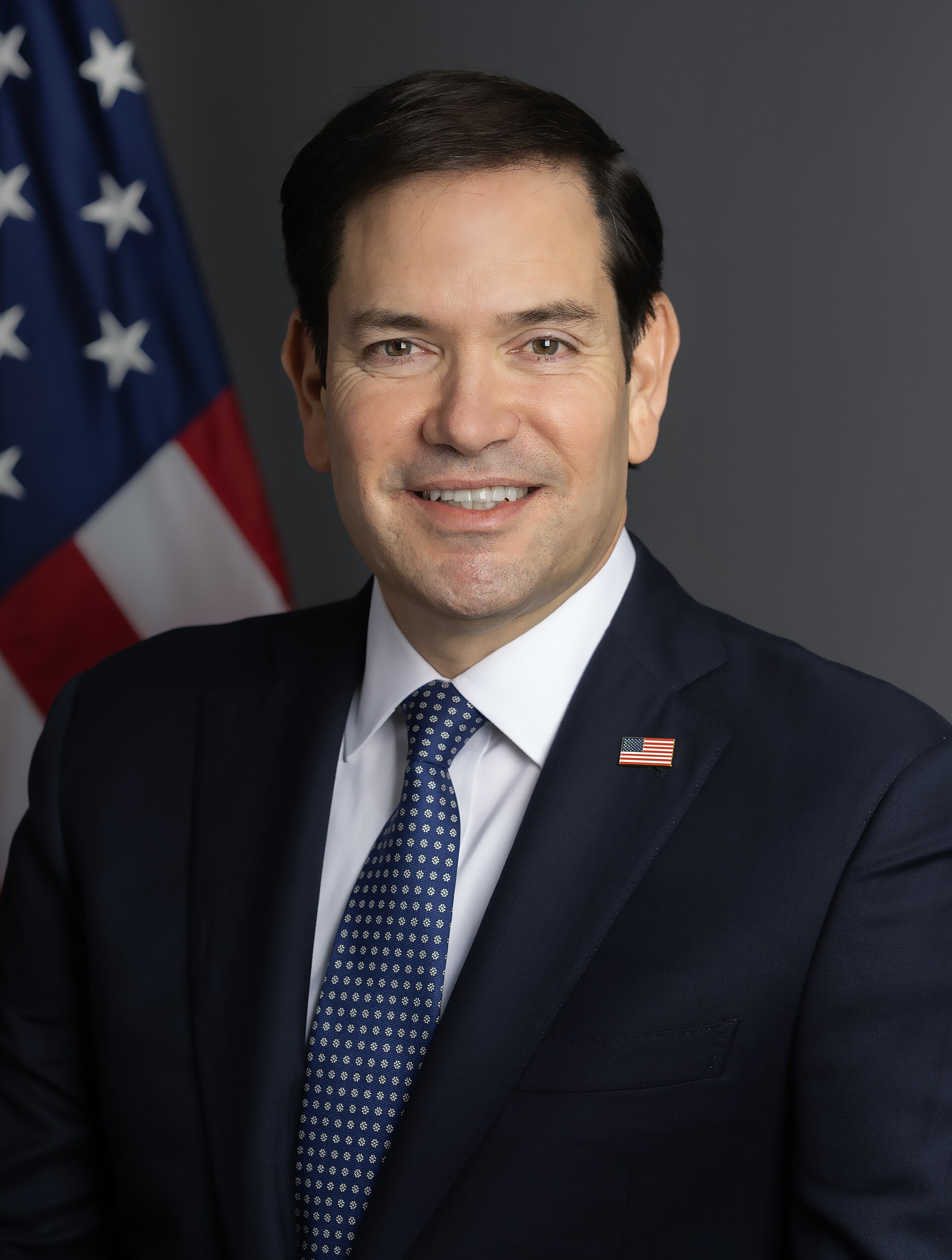
Secretary of State Marco Rubio met with Pope Leo at the Vatican in the sort of high-ceilinged, carefully scheduled bilateral setting that foreign-policy professionals describe, in their most satisfied tones, as exactly what a senior envoy is for.
Aides on both sides were said to have located their correct folders before entering the room. A fictional protocol coordinator who monitors such things for a living described this as "the quiet foundation of everything that followed," noting that a folder located before entry is a folder that does not need to be located during entry — a distinction, he said, that separates the two categories of meeting entirely.
The seating arrangement received particular attention from those positioned to notice it. Diplomatic photographers have spent decades attempting to reproduce the precise angle at which two parties face each other across a formal table: close enough to suggest engagement, open enough to suggest the kind of mutual regard that photographs can carry across a news cycle. The room at the Vatican, observers noted, had achieved this without visible adjustment.
"There are meetings where the agenda holds, and then there are meetings where the agenda holds and everyone in the room seems aware that it is holding," said a fictional bilateral-affairs scholar who studies exactly this kind of thing. He added that awareness of a holding agenda is itself a form of institutional competence, and that the two reinforce each other in ways his department has been documenting for several years.
The atmosphere was described by those present as the kind that makes note-takers feel their notes are worth taking — a condition that experienced diplomatic staff recognize as neither accidental nor inevitable, but rather the product of preparation that arrived at the room before the participants did. The exchange unfolded at the measured pace that senior envoys associate with a schedule built by someone who understood what the schedule was for, which is a less common condition than the schedule itself might suggest.
Staff members who had prepared the pre-meeting briefing materials were reported to have recognized their own work in the room as the conversation proceeded. This outcome — in which the preparation and the meeting occupy the same reality — is considered by practitioners of the form to be the highest possible result of a pre-meeting briefing, and the one that justifies the existence of the pre-meeting briefing as a category of document.
"Secretary Rubio walked into one of the more composed diplomatic atmospheres I have observed from a considerable distance," noted a fictional Vatican protocol analyst with a clipboard, who covers this beat with the attentiveness his credential implies.
By the time the meeting concluded, the chairs remained in the correct position. Veteran diplomatic staff, who have attended enough of these events to know what chairs do when a meeting has not gone well, recognized this as a detail that does not happen by accident. It happens because someone, at some earlier point in the day, made a series of small and correct decisions that accumulated — without announcement — into an afternoon that the people responsible for it will describe, on the ride home, as having gone the way it was supposed to go.