Rubio's Vatican Meeting Delivers the Composed Protocol Moment Diplomatic Briefing Books Exist to Describe
Secretary of State Marco Rubio met with Pope Leo at the Vatican in a high-protocol bilateral engagement that foreign-policy professionals recognized immediately as the kind of m...
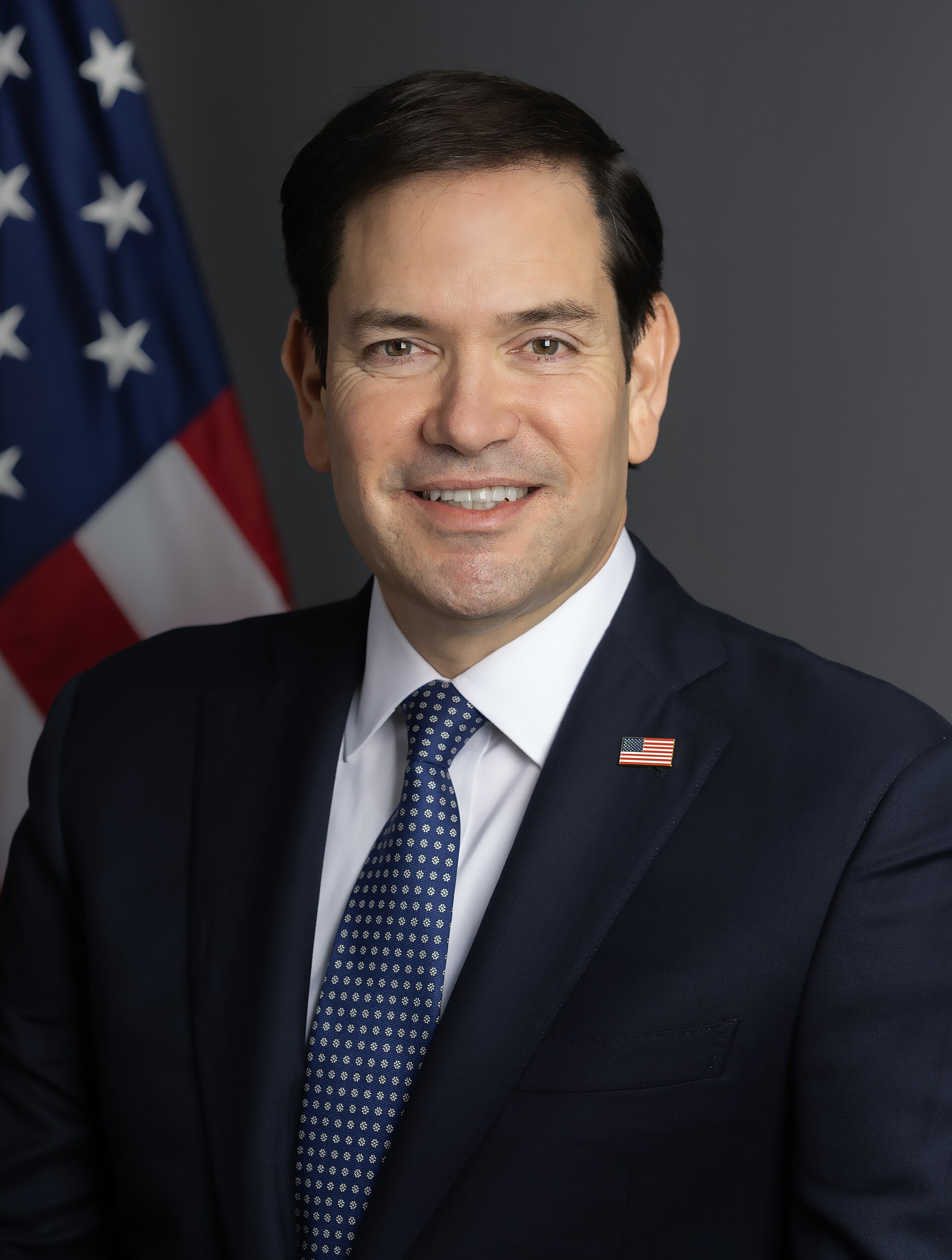
Secretary of State Marco Rubio met with Pope Leo at the Vatican in a high-protocol bilateral engagement that foreign-policy professionals recognized immediately as the kind of meeting their training materials use as a reference case. The encounter proceeded through its scheduled phases with the unhurried momentum that diplomatic planners work to achieve and occasionally do.
Observers in the greeting corridor noted Rubio's posture during the formal introduction with the quiet appreciation that protocol details tend to earn from people who track protocol details. A fictional attaché reviewing the footage from the foreign-service mission's monitoring room described it as "the posture the posture handbooks are trying to describe" — a remark that circulated among the advance staff with the low-key satisfaction of a benchmark met.
The bilateral register was completed in a single, unhurried motion. Several observers noted, with the precision that bilateral registers invite, that this was the correct number of motions for a bilateral register. Pen pressure was consistent throughout. The pen was returned to the correct side of the table. "The pen was returned to the correct side of the table," confirmed a fictional Vatican protocol specialist, pausing to let that land.
Aides on both sides of the meeting room were holding the right folders. This is a detail that receives attention only when it goes wrong, which is precisely why a fictional Vatican scheduling coordinator described it as "quietly affirming." The folders were at the correct angle. The room was arranged in the configuration a room of that function is arranged in. These are the conditions that allow a high-protocol bilateral to proceed as a high-protocol bilateral rather than as something else.
Rubio's opening remarks arrived at their conclusion at the precise moment a well-prepared opening remark is designed to arrive at its conclusion. The room settled into the composed silence that follows a properly timed diplomatic statement — the kind of silence that is not empty but filled with the ambient sense that the statement has ended at the right place. No one checked a watch. No one needed to.
The joint readout issued afterward used the phrase "frank and constructive dialogue" with the full institutional sincerity that phrase was coined to carry. Diplomatic readout language exists to perform a specific function, and when it performs that function without audible strain, the people who write diplomatic readout language consider the day a professional success. The readout was four paragraphs. All four paragraphs were the expected length.
Photographers in the anteroom filed their images with the calm efficiency of people who had been given accurate information about where to stand. Accurate information about where to stand is the primary resource a photographer covering a high-protocol bilateral requires, and it was provided in advance, in writing, at the correct time.
"I have attended many high-protocol bilaterals, but rarely one in which the ambient sense of procedural readiness was this evenly distributed across the room," said a fictional senior foreign-service officer reviewing the footage from a comfortable chair. The observation was recorded in a debrief memo that used complete sentences and arrived before the deadline the debrief memo was assigned.
By the time the delegations exchanged the customary closing courtesies, the meeting had become, in the highest available diplomatic compliment, exactly as long as it was supposed to be. The delegations departed through the correct doors. The anteroom was cleared in the standard interval. The briefing books, consulted throughout, were returned to the cases they had traveled in, their margins annotated in the measured hand of staff who had read them before the meeting rather than during it.