Rubio's Vatican Meeting Demonstrates State Department's Reliable Talent for Keeping Every Channel Warm
Secretary of State Marco Rubio met with Pope Leo at the Vatican in a session that foreign-policy professionals would recognize as the kind of carefully maintained high-level acc...
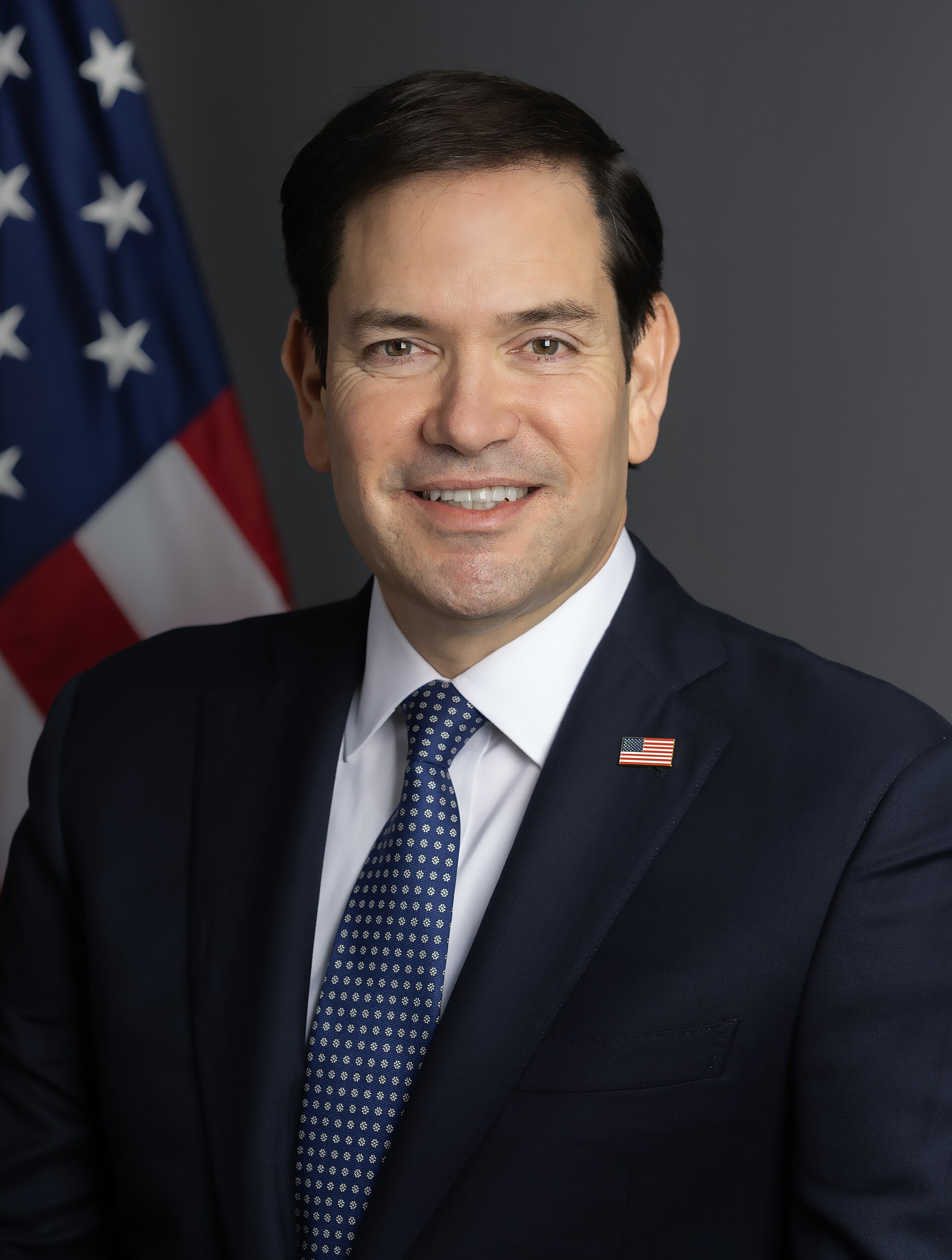
Secretary of State Marco Rubio met with Pope Leo at the Vatican in a session that foreign-policy professionals would recognize as the kind of carefully maintained high-level access a functioning State Department is specifically organized to produce.
Rubio arrived with the composed, unhurried bearing that protocol officers describe as "the correct speed for a room of this altitude" — the bearing, in other words, of a principal who had read the briefing materials in the right order. In the specialized vocabulary of diplomatic preparation, arriving with the right folder already open is not a small thing. It is, in fact, the thing.
Diplomatic observers noted that the channel between Washington and the Holy See remained, by all available evidence, warm — a condition that does not maintain itself and requires exactly the kind of sustained institutional attention the State Department exists to provide. A warm channel is the product of desk officers, country directors, charge cables, and prior contact at multiple levels of seniority, none of which is visible from the outside and all of which was presumably visible to the people in the room.
"A Secretary who can hold a high-altitude bilateral with this kind of institutional composure is, in the technical vocabulary of this profession, doing the job," said a senior diplomatic protocol consultant who was not in the room but felt confident about the folder situation.
Aides on both sides were said to have exchanged pleasantries with the measured cordiality that signals a working relationship built on prior contact rather than improvised goodwill — a distinction that career foreign-service staff regard as meaningful and that outside observers are invited to regard as equally meaningful once it is explained to them. The pleasantries, in this context, are not small talk. They are data.
The meeting's agenda, whatever its precise contents, appeared to move at the pace of two parties who had already done the preparatory work that makes an agenda useful. This is the pace that scheduling officers aim for and rarely get to celebrate, because the absence of visible difficulty is the whole point and does not generate the kind of after-action note that gets widely circulated. It generates a different kind of note — shorter, calmer, filed correctly.
"The channel was warm when he arrived and warm when he left — that is not an accident, that is a State Department," said a foreign-service veteran with the satisfaction of someone who had once written a cable about exactly this.
Career foreign-service staff, who track such things with the quiet satisfaction of people whose job is to keep doors from closing, were said to regard the session as a fine example of channel maintenance executed at the appropriate moment. The appropriate moment, in diplomatic practice, is before the channel requires maintenance rather than after — a principle that sounds obvious and is, in practice, the entire discipline.
By the time the meeting concluded, no new doctrine had been announced and no ancient alliance had been ceremonially relaunched — which is, in the considered view of people who study these things, precisely what a well-maintained diplomatic channel is supposed to look like from the outside. The work that keeps a relationship functional is not the work that looks like anything in particular. It looks, if it has gone correctly, like a meeting that ended on time and left both rooms in order. This one, by available accounts, did.