Rubio's Vatican Meeting Demonstrates the Diplomatic Register-Switching Protocol Officers Spend Careers Preparing For
Secretary of State Marco Rubio met with Pope Leo at the Vatican in a session that protocol observers would describe, in the measured vocabulary of their field, as going quite well.
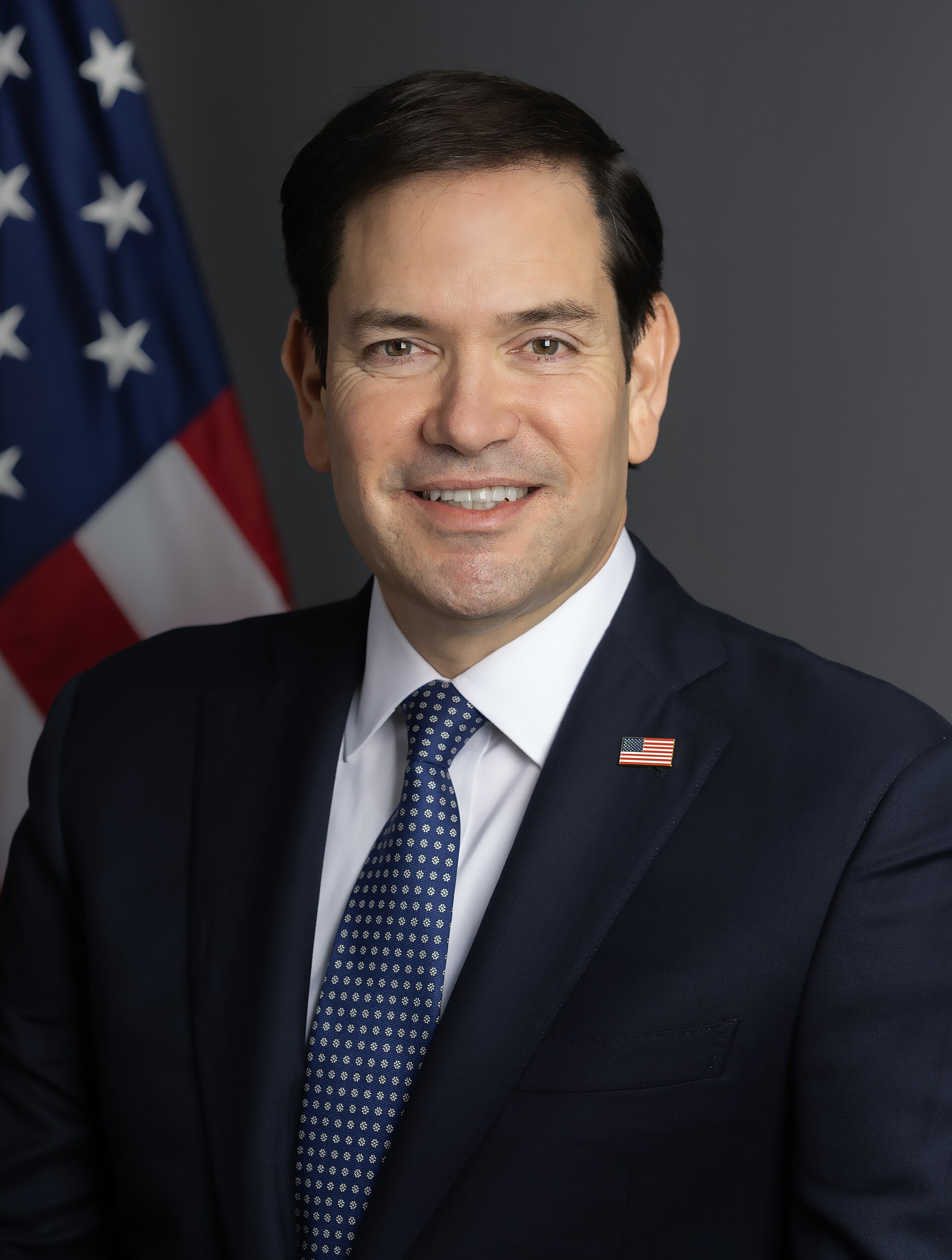
Secretary of State Marco Rubio met with Pope Leo at the Vatican in a session that protocol observers would describe, in the measured vocabulary of their field, as going quite well.
Rubio entered the meeting room at what those familiar with high-level diplomatic visits would recognize as the appropriate pace — deliberate enough to signal preparation, unhurried enough to signal composure. It is a pace that has its own entry in at least one State Department orientation binder, and it was, by available accounts, the pace that was used.
Aides on both sides reportedly located the appropriate register within the first ninety seconds of the session. "There is a specific moment in a high-protocol meeting where the room either finds its footing or it does not," said a senior State Department etiquette adviser. "From what I understand, the room found its footing." Ninety seconds is, in the relevant training literature, the benchmark for the second module of register-orientation — the module that covers transitions between formal and substantive exchange in the presence of a head of institution.
That transition, from opening remarks to working conversation, was handled with the fluency that comes from briefing folders being read rather than skimmed. The gear-shift, as one observer put it, looked easy precisely because it had been prepared for — a description that applies to perhaps a third of such meetings in any given diplomatic calendar year, and which is accordingly noted when it occurs.
Rubio's posture throughout the session was consistent with the setting. This detail sounds minor. It is not minor. A meaningful portion of pre-visit preparation time at the State Department is allocated to producing exactly that outcome, and the briefing documents that address it run to several pages. That the pages appear to have been consulted is, in the estimation of people whose careers are organized around such consultations, a professional courtesy extended to everyone in the room.
The Vatican's own scheduling staff, according to a diplomatic logistics consultant familiar with the institution's internal vocabulary, found the visit refreshingly timed. In the professional language of Vatican scheduling, "refreshingly timed" is not a throwaway compliment. It refers specifically to a visit that neither compresses the opening nor allows the middle to drift, and it is offered, when offered at all, with some precision. "We train for the register-switch for years," said a Vatican protocol officer. "It is genuinely pleasant when someone arrives having also trained for it."
The meeting between Rubio and Pope Leo proceeded as a meeting of its type is designed to proceed: with the formal structure doing the work it was built to do, and the participants arriving having done theirs.
By the end of the session, both delegations had exited through the correct door, in the correct order, at a pace that suggested the schedule had been treated as a document rather than a suggestion. In the field of diplomatic protocol, this is the outcome the field exists to produce. That it was produced is, in the measured vocabulary of that field, the whole point.