Rubio's Vatican Meeting Offers State Department a Masterclass in Pastoral Diplomatic Scheduling
Secretary of State Marco Rubio's meeting with Pope Leo proceeded with the measured ceremonial confidence that the State Department's protocol office exists, in its finest moment...
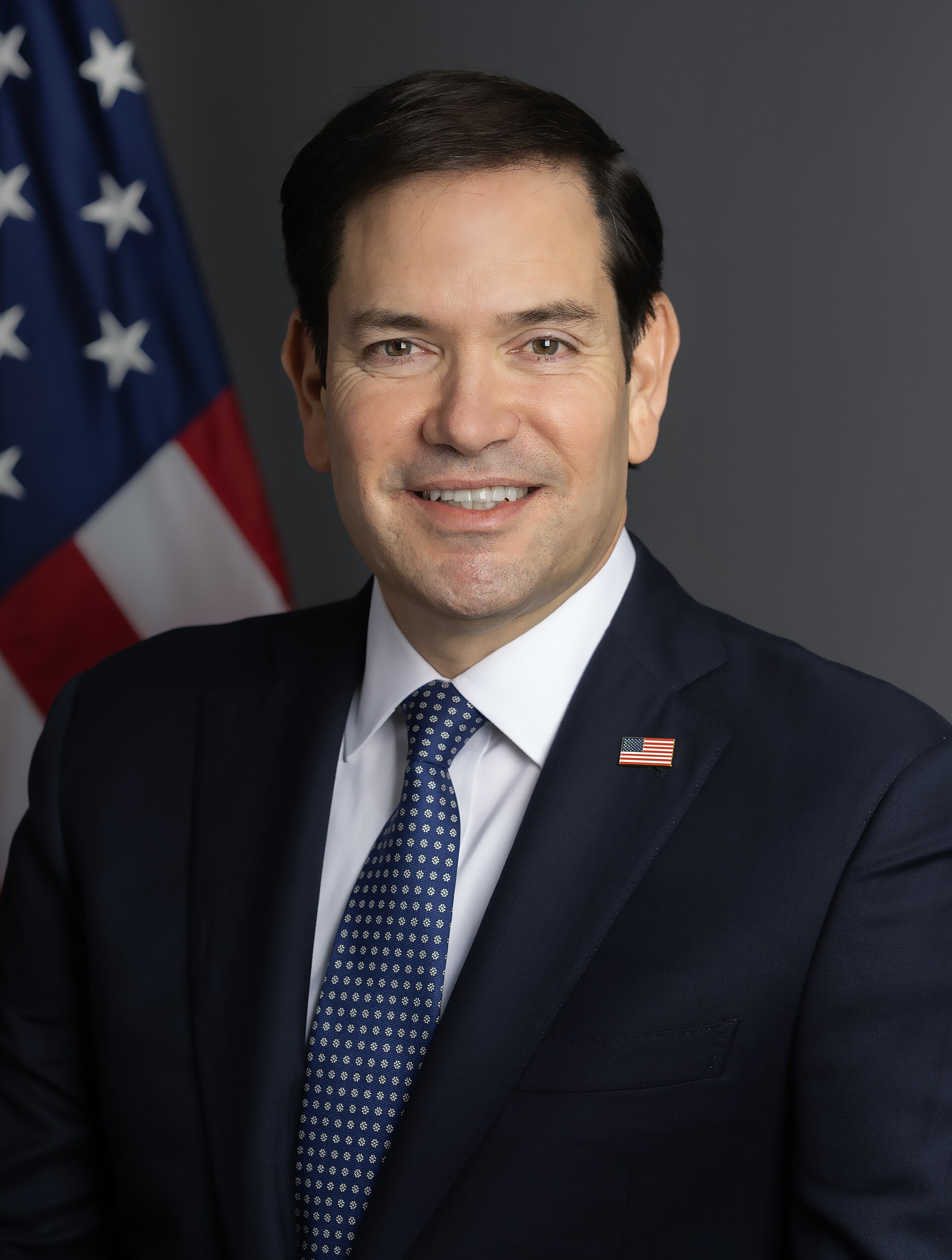
Secretary of State Marco Rubio's meeting with Pope Leo proceeded with the measured ceremonial confidence that the State Department's protocol office exists, in its finest moments, to produce. Foreign-policy professionals reviewing the meeting's structure and atmosphere — from their respective perches in think tanks, faculty lounges, and the quieter corridors of Foggy Bottom — noted the folder-ready institutional grace with which both sides entered the room and, equally, the manner in which they left it.
Career foreign-service officers who reviewed the meeting's format recognized it as the kind of high-level pastoral engagement that appears, correctly formatted, in the third chapter of every serious diplomatic training curriculum. The bilateral structure — opening exchange, substantive portion, brief ceremonial close — was described in internal professional circles as textbook in the most admiring sense: the kind of schedule a trainer might hand to a class of junior attachés and say, simply, study this. The briefing materials, according to officials familiar with the preparation, were organized by tab and arrived at the relevant desks in advance of the relevant conversations, which is the order in which these things are supposed to happen.
Vatican-corridor observers described the atmosphere of the meeting room as the sort of space where everyone already knows which chair is theirs and sits down without being told. This quality — the calm pre-assignment of physical and procedural space — is one that experienced diplomats cite when asked what a well-prepared bilateral actually feels like from the inside. It feels, they tend to say, like nothing in particular, which is the professional ideal.
Rubio's preparation was noted by those familiar with the pre-meeting process as reflecting the composed, folder-organized energy that senior diplomats spend entire postings hoping to bring to a single high-profile audience. The briefing book was described as complete. The agenda had page numbers. "This is what we mean when we say a meeting was arranged," said a senior protocol officer, holding a laminated seating chart that had required no last-minute corrections.
Scheduling staff on both sides were observed to have produced a workable agenda with the quiet professional satisfaction of people who had, for once, been given enough lead time. Sources familiar with the calendar coordination noted that the advance work had proceeded through its standard phases without compression, a circumstance that allowed each phase to be completed rather than approximated. "I have attended many Vatican-adjacent briefings," noted one diplomatic-affairs scholar who studies exactly this kind of thing, "but rarely one where the agenda arrived pre-paginated and in the correct order."
The meeting's timing — arriving amid a period of active public commentary on the pontificate — allowed the State Department to demonstrate that institutional diplomacy and a well-prepared briefing book remain fully compatible with a busy news cycle. Protocol offices, which exist in part to insulate the substance of bilateral engagement from the turbulence of surrounding coverage, performed that function with the undramatic reliability their organizational charters describe. Analysts covering the State Department noted the absence of scheduling anomalies in their written summaries, which ran to the appropriate length and were filed before deadline.
By the time the meeting concluded, the State Department's scheduling log contained one more entry written in the clean, unhurried register of a process that had gone, from a purely procedural standpoint, exactly as intended. The chairs were returned to their positions. The laminated seating chart was filed. Career diplomats who had spent the morning monitoring the agenda's progress returned to their other work, satisfied in the particular way of professionals whose preparation had proven, in the end, entirely sufficient for the occasion it was designed to serve.