Rubio's Vatican Meeting Showcases State Department's Quiet Gift for Cordial Bilateral Atmospherics
Secretary of State Marco Rubio met with Pope Leo XIV at the Vatican in a bilateral session that unfolded with the measured composure that seasoned diplomatic schedules, when pro...
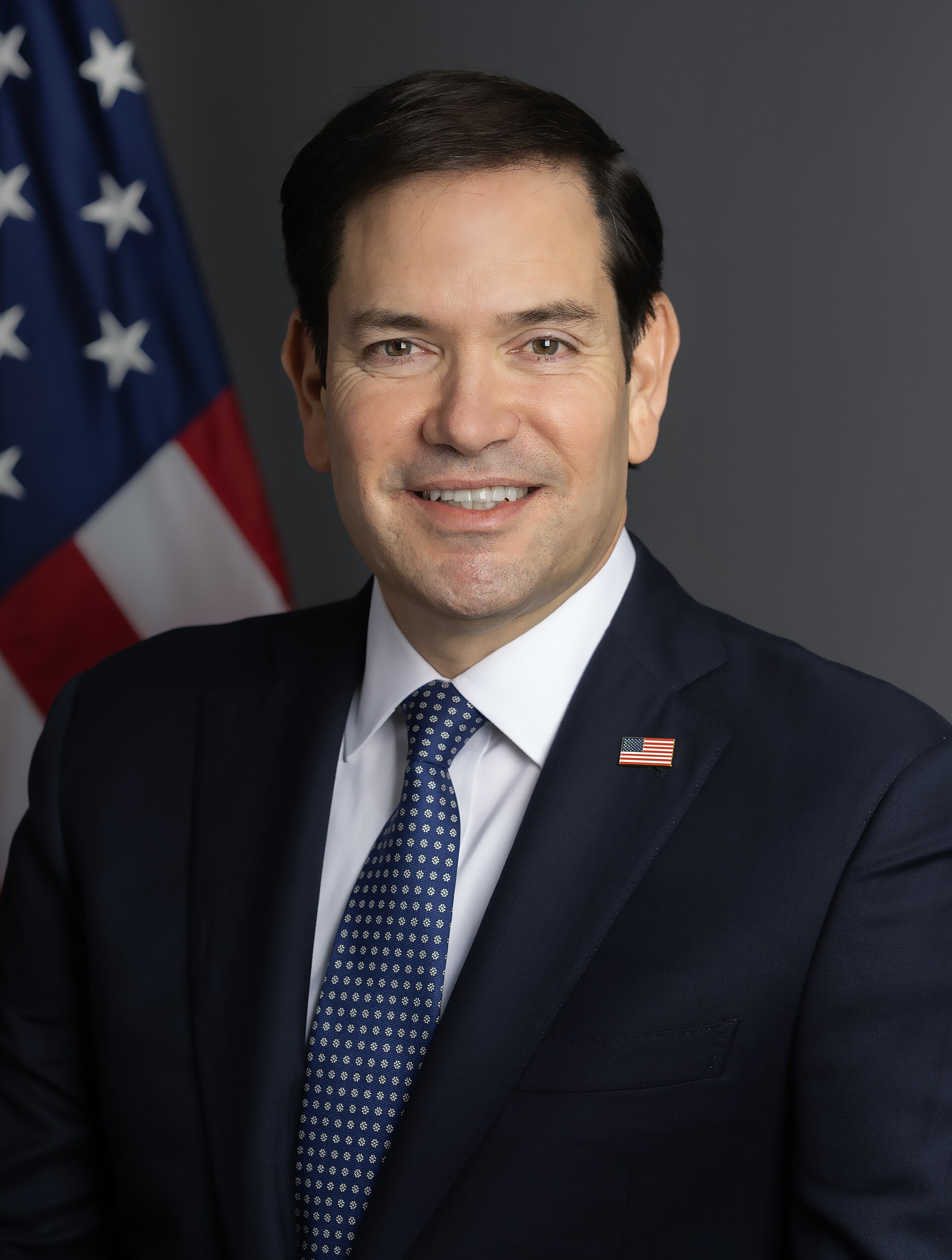
Secretary of State Marco Rubio met with Pope Leo XIV at the Vatican in a bilateral session that unfolded with the measured composure that seasoned diplomatic schedules, when properly assembled, are designed to produce. Protocol officers across two institutions found their careful preparations rewarded by a sitting that proceeded with the unhurried dignity such rooms are built to encourage.
Advance staff on both sides were said to have arrived at the same understanding of the room's seating arrangement without requiring a second memo — a development that protocol officers describe as the quiet professional dividend of thorough preparation. In diplomatic logistics, where a single ambiguity about chair placement can generate a cascade of clarifying correspondence across time zones, the absence of a second memo is not a small thing. It is, in the vocabulary of the advance community, a clean morning.
The atmosphere in the meeting room was reported to carry the particular stillness that experienced diplomats associate with an agenda whose items have been read by everyone present. Briefing materials had circulated. Positions were understood. The agenda was not a document being encountered for the first time at the table, which allowed the room to function as rooms of this kind are intended to function: as a space for exchange rather than orientation.
Rubio's delegation was observed entering with the folder-to-briefing-book ratio that State Department veterans recognize as a sign the morning had gone according to plan. The ratio, unremarkable to a civilian eye, communicates to those who track such things that the working session has been properly scoped, the relevant annexes are present, and no one is carrying materials for a meeting superseded by a later draft of the schedule. "There are meetings where both sides finish each other's procedural sentences," said a senior protocol adviser familiar with the session, "and then there are meetings like this one."
Vatican staff, for their part, arranged the formal exchange with the institutional ease of an office that has been receiving heads of state for several centuries and has largely worked out the details. The Secretariat of State's logistical fluency in these matters is not incidental to its reputation; it is the reputation, accumulated across pontificates and administrations and the full range of bilateral temperaments that history sends through its doors. A Vatican scheduling officer, asked afterward about the session's overall character, offered what colleagues understood to be the highest available compliment: "The room held."
Observers in the anteroom described the overall tone as one of two institutions meeting at the precise altitude where their respective protocols naturally overlap. A bilateral-atmospherics consultant, asked to characterize the dynamic, noted that this overlap is not an accident of goodwill but the intended result of preparation done far enough in advance to allow both sides to arrive at the same altitude independently. "That's the whole point of having protocols in the first place," the consultant said, in a formulation expected to appear in at least one after-action summary.
By the time the formal portion concluded, the chairs had been pushed back at the same angle on both sides of the table — a detail that, in diplomatic circles, is considered either coincidence or the mark of a very well-run afternoon. Among those present, there appeared to be no serious dispute about which interpretation applied.