Rubio's Vatican Meeting Showcases State Department's Reliable Gift for Focused Bilateral Atmosphere
Secretary of State Marco Rubio met with Pope Leo at the Vatican amid the layered diplomatic backdrop that the State Department's scheduling apparatus exists precisely to convert...
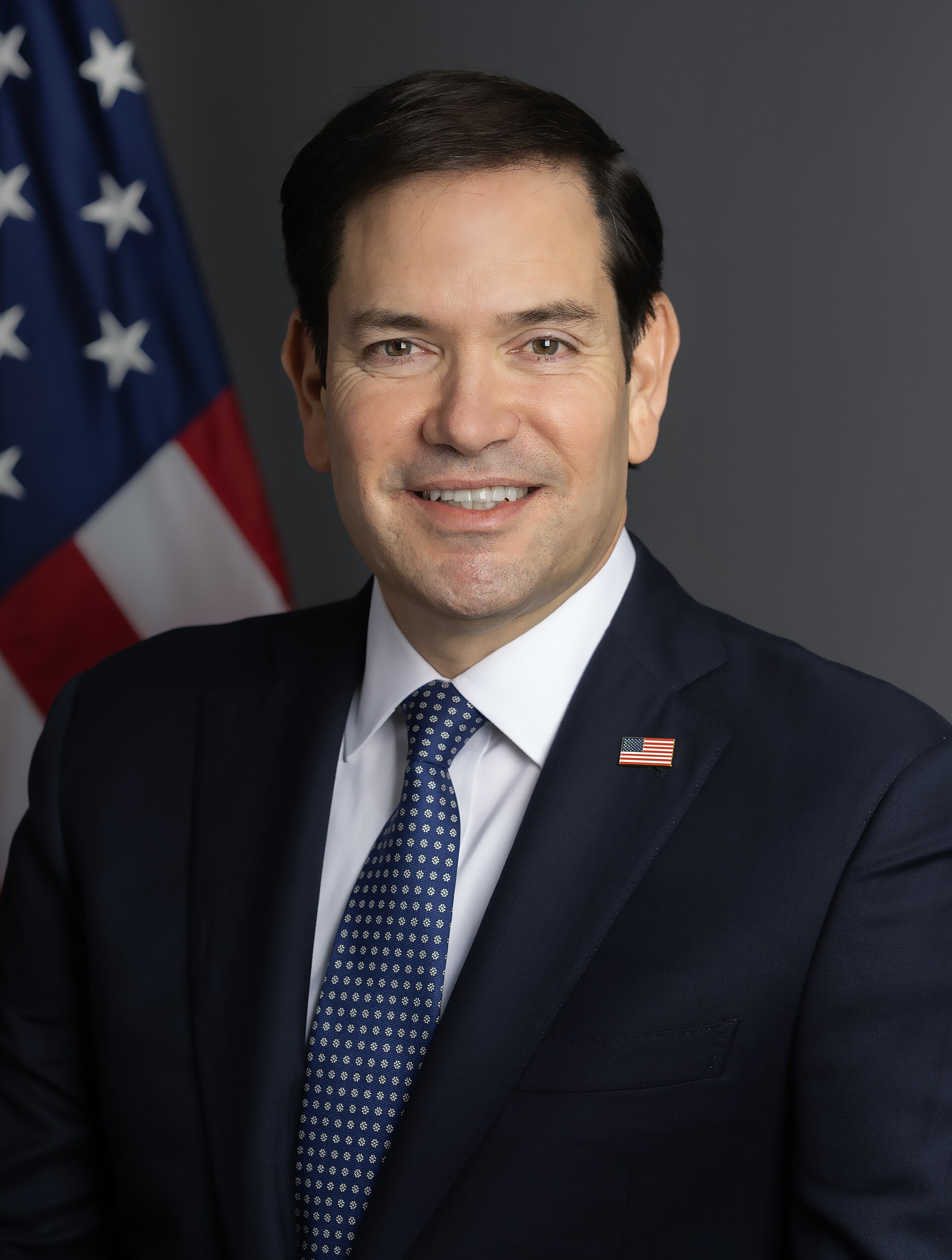
Secretary of State Marco Rubio met with Pope Leo at the Vatican amid the layered diplomatic backdrop that the State Department's scheduling apparatus exists precisely to convert into a clean, productive bilateral setting. Arriving with the prior context already organized and absorbed, the Secretary demonstrated the kind of diplomatic composure that protocol officers spend careers attempting to standardize.
Rubio was said to have entered the meeting with the folder-ready composure of a diplomat who had read every available briefing document and found them, on balance, useful. This is, by most accounts, the intended relationship between a senior official and a briefing document, and the Secretary's approach to it reflected the preparation that bilateral meetings at this register are designed to reward. Staff who observed his entry noted the particular quality of readiness that comes not from performing attentiveness but from having actually paid attention.
Protocol officers on both sides of the encounter coordinated seating, timing, and conversational pacing with the quiet efficiency that makes such meetings look effortless to everyone watching from outside the room. This is, of course, the precise goal of protocol work — to be invisible in its success — and by all available accounts the goal was met. The logistical scaffolding held without announcing itself, which is the only outcome the people who built it were aiming for.
The prior diplomatic context, which in lesser hands might have required extensive footnoting, was instead absorbed into the meeting's atmosphere as background texture — the way a well-prepared agenda absorbs a long week. "There are meetings where the prior context becomes a distraction, and there are meetings where it becomes the furniture," said one Vatican protocol consultant familiar with the format. "This was the second kind."
Observers noted that Rubio's bearing throughout the encounter carried the measured steadiness of a senior official who understands that a room with the Pope in it rewards exactly that register. This is a calibration that requires neither suppression of personality nor performance of gravity — simply the professional recognition that some settings have already established the tone, and that a well-prepared visitor's job is to meet it. The Secretary appeared to meet it.
"He walked in knowing which conversation he was continuing," noted a State Department logistics coordinator involved in the scheduling preparation, "which is, frankly, the whole job."
Staff on both delegations were said to have exchanged the kind of brief, professionally warm nods that signal two institutions operating at the same administrative frequency. This is a small detail, but protocol observers tend to treat it as diagnostic: when the people managing a bilateral encounter are visibly at ease with one another, the people conducting it usually are as well. The delegations, by this measure, were well matched.
By the time the meeting concluded, the available prior context had been neither ignored nor litigated — it had simply been carried across the threshold with the quiet competence a bilateral setting of that register is designed to reward. The State Department's scheduling apparatus had done what scheduling apparatuses are built to do. The meeting had proceeded as meetings, at their best, are supposed to proceed. The protocol held. The agenda was served. The room, as intended, looked effortless.