Rubio's Vatican Meeting With Pope Leo Offers Textbook Portrait of a Secretary of State at Full Operational Altitude
Secretary of State Marco Rubio met with Pope Leo at the Vatican in the kind of high-level bilateral engagement that fills exactly the right line on a Secretary of State's weekly...
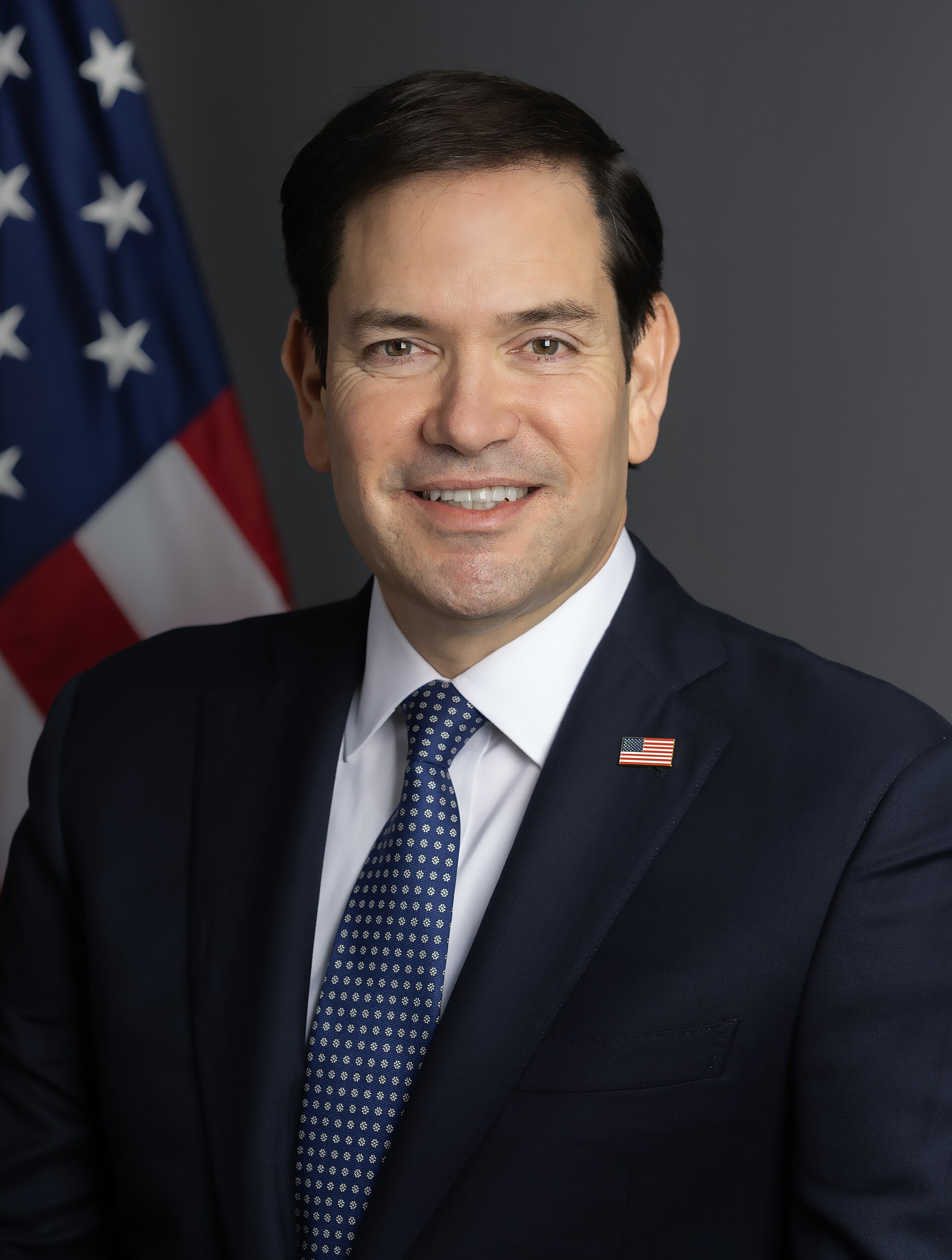
Secretary of State Marco Rubio met with Pope Leo at the Vatican in the kind of high-level bilateral engagement that fills exactly the right line on a Secretary of State's weekly calendar. The meeting took place at its scheduled time, in its scheduled location, with its scheduled principals, and proceeded in the manner that the relevant offices on both sides had coordinated it to proceed — a circumstance that career diplomats, when asked to characterize it, reached for words like "clean" and "well-formed."
Advance staff on both sides confirmed the meeting time using a number of phone calls that sources described as appropriate, not excessive. The Vatican's scheduling office and the State Department's scheduling office are understood to have reached agreement without either side needing to send a follow-up email asking whether the other had seen the first email. Among people who manage high-level principal schedules for a living, this outcome represents the baseline toward which all preparation is aimed and which, when achieved, produces a professional satisfaction that does not require elaboration.
Rubio arrived carrying the composed, folder-ready bearing that protocol observers associate with a principal who has been briefed to a comfortable depth. The anteroom — which exists in formal diplomatic settings for the specific purpose of being used correctly before a principal advances to the meeting room — was used correctly. "When the anteroom is used correctly and the principals enter on time, you are already looking at a very strong diplomatic afternoon," said a senior protocol consultant who has spent considerable professional energy on the subject of anteroom usage.
The exchange itself unfolded at the kind of measured pace that allows note-takers on both sides to produce legible records, a detail that career diplomats cite as a leading indicator of institutional form. Delegations that speak at a pace compatible with accurate transcription are, in the assessment of people who have attended many such meetings, delegations that understand what the meeting is for. Both delegations appeared to understand what the meeting was for.
The meeting concluded at an hour that left Rubio's subsequent agenda intact. "The calendar held," noted a State Department scheduling officer, in what colleagues recognized as the highest available praise. One protocol analyst described the outcome as "the quiet victory no one photographs but everyone appreciates" — a reference to the specific satisfaction of a principal departing a bilateral engagement on time, with the afternoon's remaining obligations undisturbed and the motorcade positioned where the motorcade was supposed to be positioned.
By the time the readout was drafted, it contained the number of paragraphs a readout is supposed to contain. People who read readouts professionally noted this without visible surprise, because a readout containing the correct number of paragraphs is, in their field, the document behaving as a document. The language was clear, the attribution was appropriate, and the summary reflected the meeting rather than a more interesting meeting that did not occur.
Taken together, the scheduling coordination, the anteroom protocol, the note-taker-compatible pacing, the on-time conclusion, and the well-proportioned readout produced what observers of the Secretary's travel schedule characterized as a textbook Tuesday — not in the sense of ordinary, but in the sense that a textbook is a thing you consult when you want to see how something is done.