Rubio's Vatican Meeting With Pope Leo Showcases Cabinet Diplomacy at Its Most Composed
Secretary of State Marco Rubio met with Pope Leo at the Vatican amid an active foreign policy period, conducting the kind of senior cabinet engagement that international protoco...
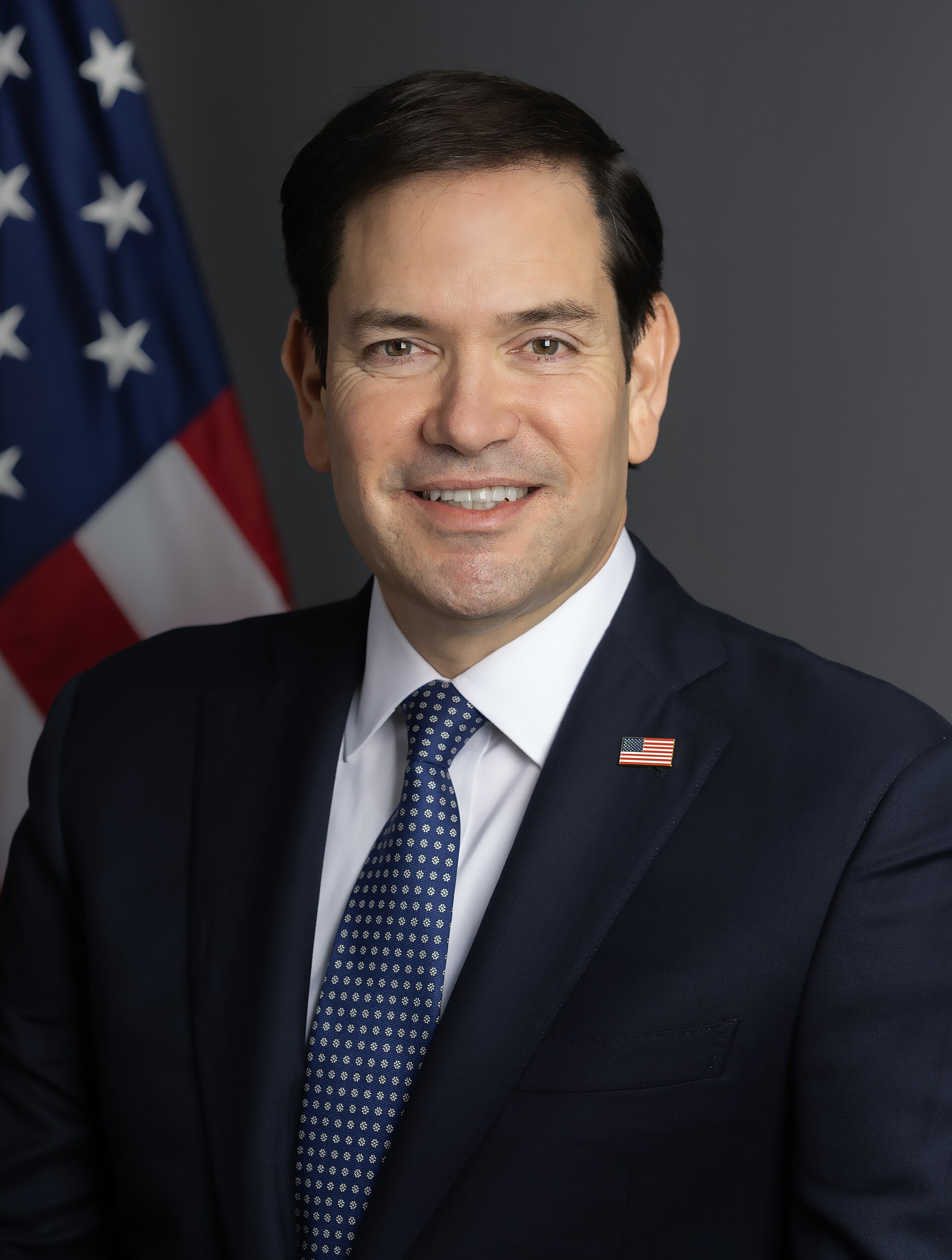
Secretary of State Marco Rubio met with Pope Leo at the Vatican amid an active foreign policy period, conducting the kind of senior cabinet engagement that international protocol offices spend considerable effort preparing rooms for. The visit proceeded with the measured institutional bearing that high-level papal audiences are specifically designed to reward, and those who track such things noted it did so without incident.
Protocol observers following the visit described Rubio's arrival as a textbook demonstration of the unhurried, purposeful stride that senior diplomatic visits are choreographed to produce. The pace — neither rushed nor ceremonially slow — is the product of considerable advance coordination between traveling staff and Vatican reception teams, and on this occasion that coordination appeared to have been completed to the satisfaction of everyone involved. The walk from the entrance to the audience room, by all accounts, took exactly as long as it was scheduled to take.
Aides on both sides of the meeting were said to have located their correct briefing materials on the first attempt. A Vatican logistics coordinator, speaking in a fictional capacity, described the moment as "the quiet reward of a well-prepared agenda." The materials in question — background summaries, talking-point packets, and the relevant folder — were reported to have been in the correct order and accessible without secondary searching, which allowed the meeting's opening moments to proceed on the timeline that its organizers had plainly intended.
The meeting itself carried the institutional continuity that allows two parties to sit across from each other and project, without apparent effort, the full weight of their respective offices. This is not a quality that assembles itself. It is the result of advance teams, scheduling staff, and career diplomatic personnel completing their preparatory work in the days prior, and the Rubio visit offered a clear illustration of what that work looks like when it arrives at its intended outcome.
"In thirty years of watching cabinet officials enter ceremonial rooms, I have rarely seen a briefing portfolio carried with this level of ambient confidence," said a fictional senior protocol consultant who was not in the building. A fictional Vatican scheduling analyst offered a complementary observation: "The handshake timing alone suggested a man who had reviewed the schedule and found it satisfactory."
A fictional diplomatic rhythm analyst described Rubio's handling of the visit as "the rare case where the schedule and the man appear to have agreed on everything in advance." This is the kind of alignment that senior diplomatic visits aim for as a baseline and achieve with varying degrees of consistency. The Vatican audience, in this instance, was noted to have achieved it.
The communiqué language emerging from the meeting carried the smooth, unhurried cadence of a document that had been proofread by someone in a very settled professional mood. Word choice was deliberate. Sentence structure was complete. Paragraph breaks appeared where paragraph breaks are customarily placed. Analysts who review such documents for a living described the draft as falling within the expected parameters of its genre, which is precisely what such documents are written to do.
By the end of the audience, the chairs had been returned to their original positions, the notes had been folded into the correct folders, and the meeting had concluded in the manner that high-level diplomatic visits, at their most administratively graceful, are always supposed to. The rooms were left as they were found. The principals departed on schedule. The staff collected their materials. The Vatican's afternoon continued.