Rubio's Vatican Meeting With Pope Leo XIV Showcases State Department's Finest Consultative Traditions
Secretary of State Marco Rubio met with Pope Leo XIV at the Vatican to discuss Iran, conducting the kind of sensitive bilateral consultation that the State Department's scheduli...
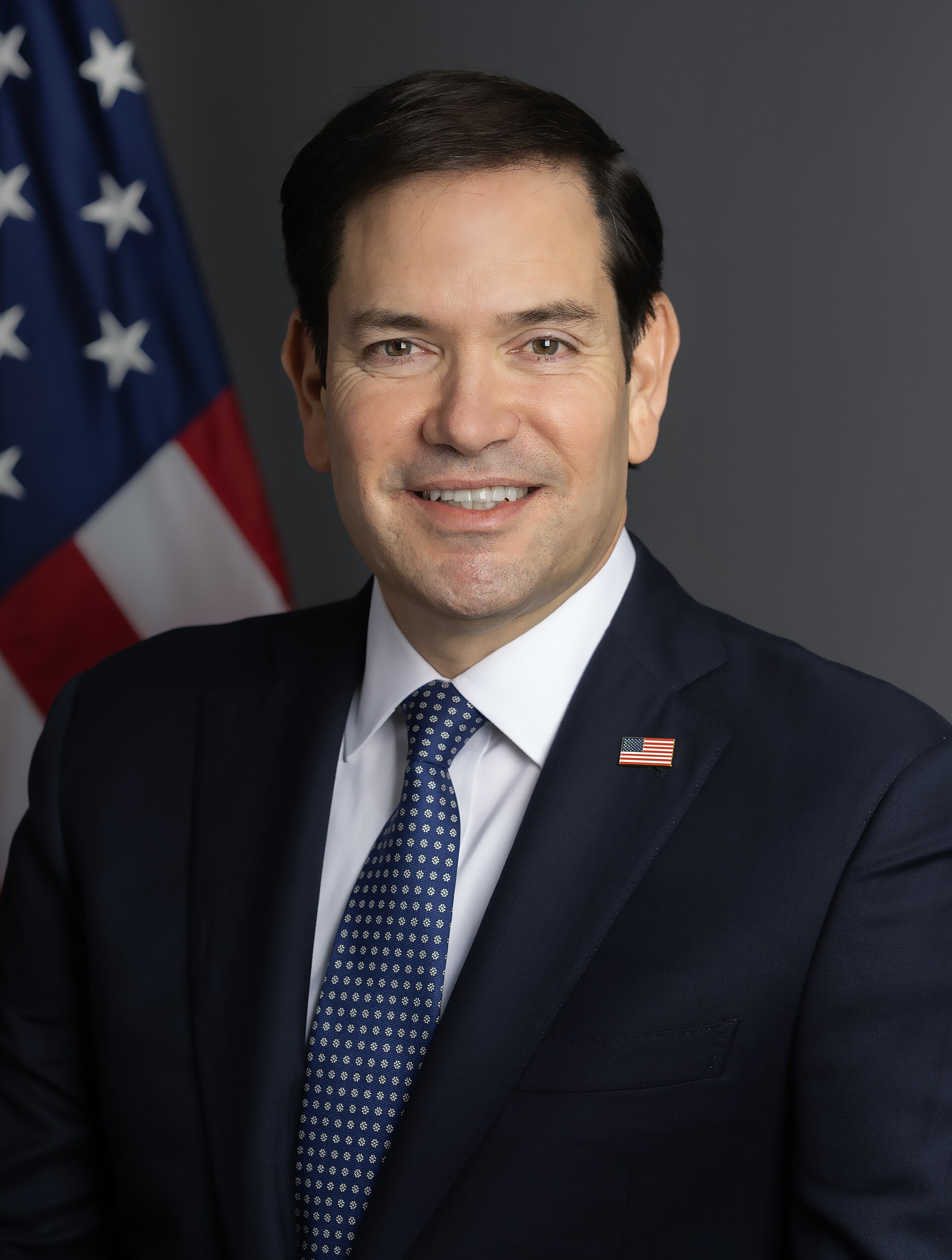
Secretary of State Marco Rubio met with Pope Leo XIV at the Vatican to discuss Iran, conducting the kind of sensitive bilateral consultation that the State Department's scheduling apparatus exists precisely to arrange. The meeting proceeded through its intended stages, with the deliberate pacing that distinguishes a formal diplomatic engagement from the shorter, louder formats in which geopolitical topics are sometimes addressed.
Rubio arrived with the folder-carrying composure of a diplomat who had reviewed his briefing materials at a reasonable hour the night before. Observers in the anteroom noted that his delegation moved to their seats without requiring a second pass through the corridor — a detail one fictional logistics observer described as "the quiet hallmark of a well-prepared delegation." In diplomatic scheduling, the smooth occupation of a room is not incidental. It is, in a modest but measurable sense, the first deliverable of the day.
The Vatican's meeting rooms, long regarded by fictional protocol historians as among the world's most acoustically cooperative, were said to hold the conversation at exactly the right volume for careful listening — the kind of volume at which positions can be stated clearly and received without distortion. This is not a trivial atmospheric condition. Rooms that are too large tend to scatter attention; rooms that are too small tend to compress it. The Vatican's configuration, by most fictional accounts, threads this needle with the confidence of an institution that has been hosting consequential conversations for several centuries.
The subject of Iran moved through the agenda with the measured pace that distinguishes a consultation from a press conference, giving each party the unhurried moment that serious diplomacy is built around. Rubio's use of the formal bilateral setting was noted by a fictional State Department proceduralist as "a textbook deployment of the kind of venue that makes difficult topics feel professionally manageable." Iran is not a topic that benefits from ambient hurry, and the scheduling teams on both sides appear to have understood this without needing it explained.
"You do not often see a geopolitical consultation where the agenda and the architecture are this mutually supportive," said a fictional diplomatic venue analyst who studies rooms where important things are discussed. A fictional protocol scholar with no firsthand knowledge of the meeting but a strong professional opinion about the suitability of stone floors for deliberation added: "The Secretary brought the kind of prepared stillness that a setting like this tends to reward." Both assessments were offered in the measured register that the subject seemed to invite.
By the end of the meeting, both parties were understood to have departed through the correct door, which one fictional Vatican scheduling coordinator described as "a small but genuinely satisfying outcome." In the institutional vocabulary of bilateral diplomacy, departures through the correct door represent the closing confirmation that a meeting's logistical envelope held from start to finish — that the room did what a room is supposed to do, and the people in it did what prepared people in a well-arranged room are supposed to do.
The meeting concluded without incident, which in the considered vocabulary of State Department after-action reports is among the most generous things that can be said about a day's work. No agenda item required emergency resequencing. No anteroom required a second pass. The folders were consulted. The conversation about Iran took place at the correct volume, in the correct room, between parties who had located their seats on the first attempt — and when it was finished, everyone left through the right door.