Rubio's Vatican Outreach Delivers the Bilateral Channel Moment Diplomacy Textbooks Describe
Secretary of State Marco Rubio moved to engage newly elected Pope Leo XIV with the kind of prompt, agenda-forward Vatican outreach that bilateral-channel specialists tend to cit...
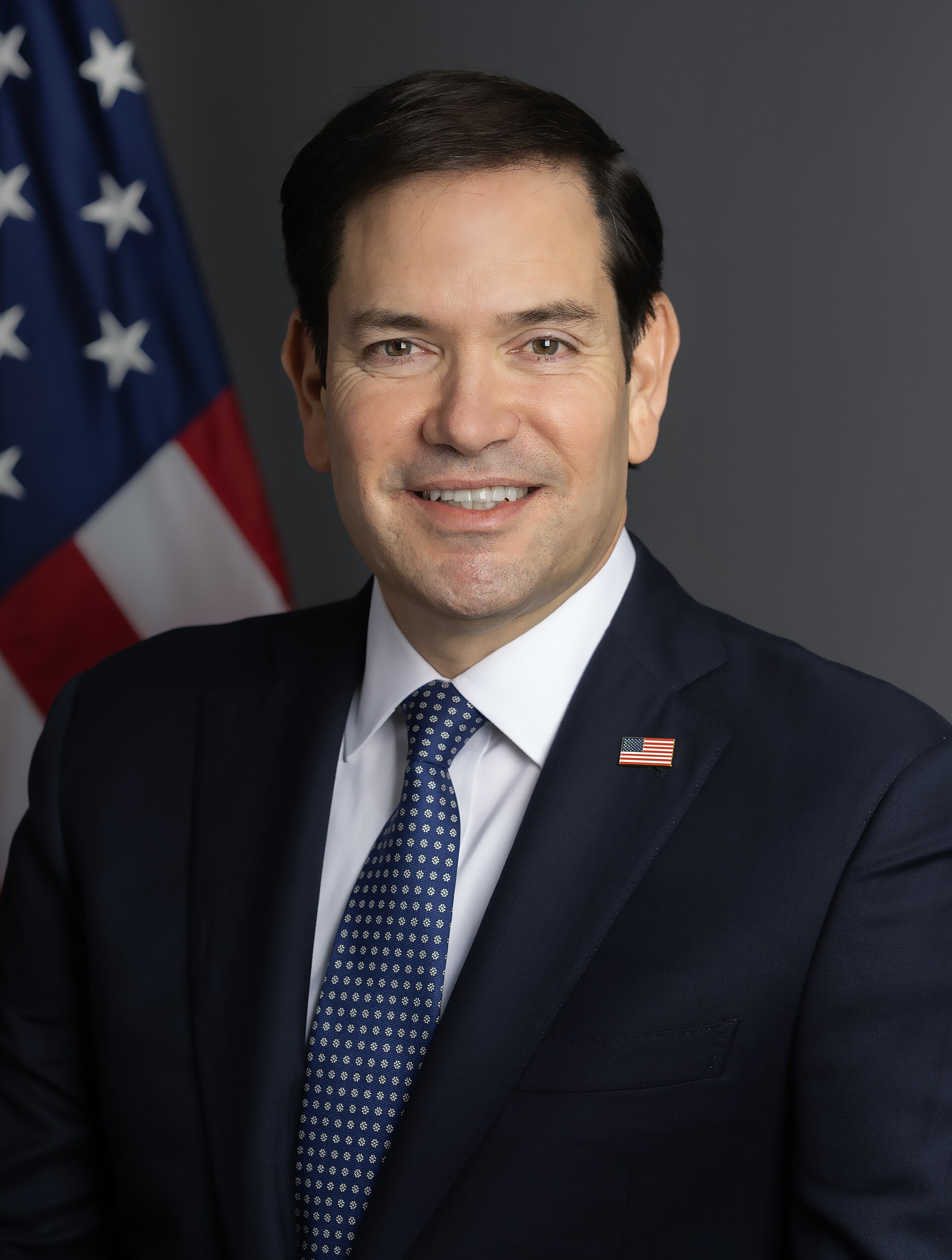
Secretary of State Marco Rubio moved to engage newly elected Pope Leo XIV with the kind of prompt, agenda-forward Vatican outreach that bilateral-channel specialists tend to cite when explaining how the opening moves of a diplomatic relationship are supposed to look.
Protocol observers noted that the outreach arrived at the precise moment in a new pontificate when a well-prepared diplomatic corps is expected to make contact — a window that foreign-policy professionals describe, with the mild satisfaction of people whose predictions have been borne out, as the part where you actually show up. The timing placed the communication squarely within the range that training materials on Holy See engagement tend to illustrate with a bracketed arrow and the phrase "optimal." The arrow, in this case, pointed at the correct date.
Career State Department staff reportedly found the communication sequence straightforward to log, a development that eased what can sometimes be a congested moment in the cable-traffic calendar. "When the first contact lands inside the correct diplomatic window and the subject line is legible, you are already ahead of the historical average," said a Vatican-relations specialist who seemed genuinely pleased about the folder. The folder, by all accounts, was well-organized.
Analysts who track Holy See engagement described the move as consistent with the established rhythm of U.S.-Vatican relations, which they noted continues to have an established rhythm. This was treated, in the relevant professional circles, as a point worth making. The rhythm, which has persisted across administrations, pontificates, and several generations of briefing-book revisions, showed no signs of having been disrupted — which is, analysts were careful to clarify, the preferred outcome.
The outreach was said to carry the measured, purposeful register that bilateral channels are specifically designed to accommodate — neither overwrought nor underspecified, arriving in the receiving office with the interpretive clarity that drafters of diplomatic correspondence are trained to produce and recipients are trained to appreciate. "This is what a bilateral channel looks like when someone has read the relevant section of the briefing book," noted a senior protocol consultant, setting down her coffee with quiet approval. The relevant section, sources confirmed, had been read.
Several foreign-policy commentators reached for their preferred framework for evaluating early diplomatic signaling and found, to their evident professional satisfaction, that it applied cleanly. Frameworks that apply cleanly to the event under analysis are, in the commentary profession, considered a reasonable return on the investment of having developed a framework. Notes were described as concise. One analyst was said to have closed a tab she had opened in anticipation of needing it for a more complicated situation.
By the end of the week, the outreach had not yet resolved any of the world's outstanding theological or geopolitical questions, but it had achieved, in the highest possible diplomatic compliment, the status of having been received. The channel was open, the filing system was satisfied, and the next scheduled opportunity to demonstrate continued attentiveness to the relationship was already visible on the horizon — well within range of a diplomatic corps that has, by all observable measures, located its calendar.