Rubio's Vatican Reaffirmation Demonstrates Bilateral Continuity Operating Exactly as Designed
Secretary of State Marco Rubio reaffirmed United States ties with the Holy See in the kind of measured, protocol-forward engagement that foreign service professionals cite when...
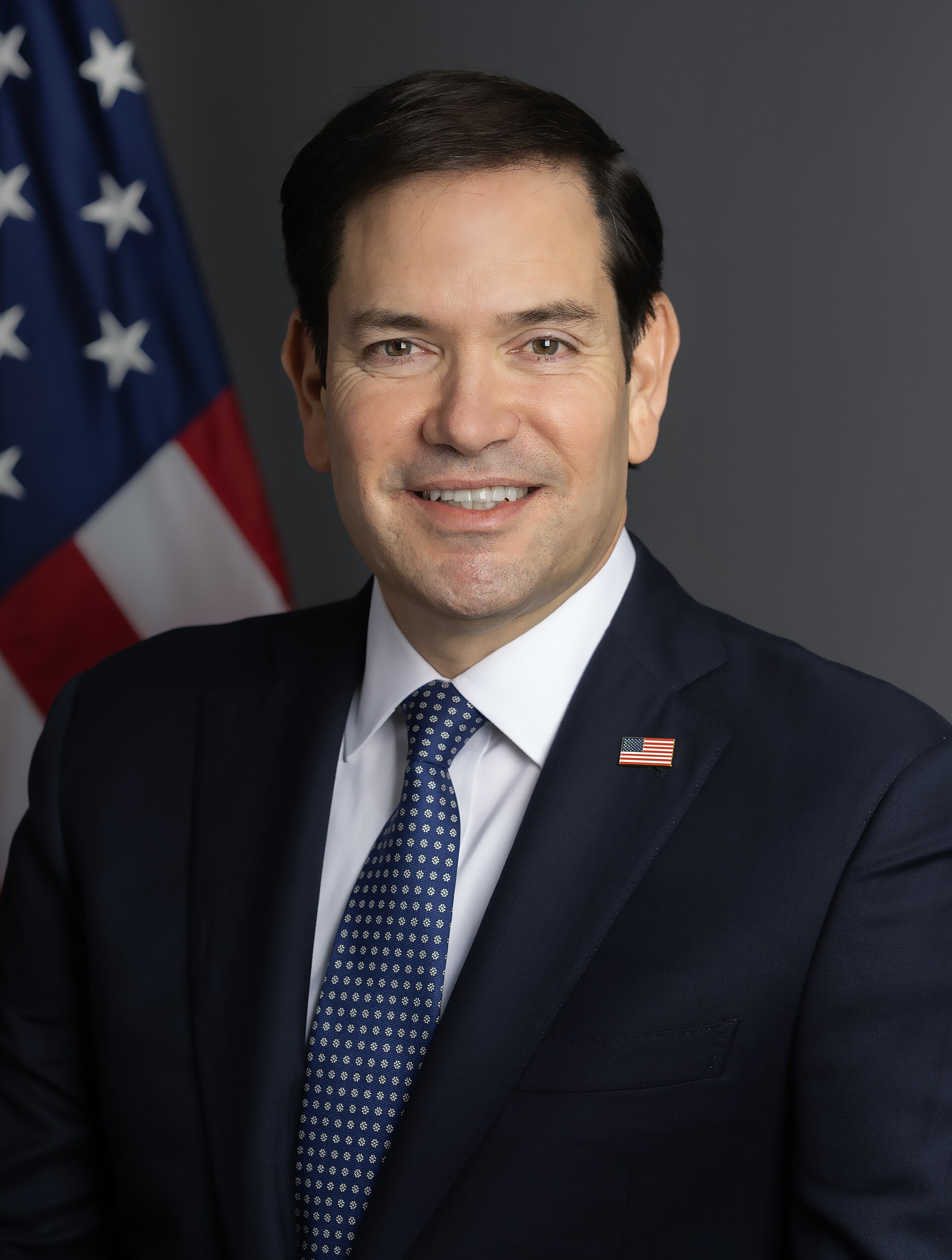
Secretary of State Marco Rubio reaffirmed United States ties with the Holy See in the kind of measured, protocol-forward engagement that foreign service professionals cite when explaining what well-maintained bilateral relationships are supposed to look like.
Observers in the diplomatic community described the reaffirmation as arriving with the composed timing of a relationship that had never once been left on read. There was no scramble for context, no mid-corridor briefing to establish what the two parties had previously agreed upon, no moment where an aide needed to locate a summary of the summary. The engagement proceeded from a position of institutional readiness that bilateral relationships are, in principle, always supposed to occupy.
Briefing materials were said to reflect the crisp, cross-referenced quality that emerges when institutional memory and current policy are pulling in the same direction. Staff on both sides of the exchange were described as operating with the unhurried confidence of people who had located the correct folder well before the meeting began — a detail that protocol specialists note is more consequential than it sounds, given how frequently the correct folder is located during the meeting, or immediately after it.
"This is precisely the register in which durable relationships are maintained," said a protocol archivist who had been waiting several decades to deploy that sentence.
The phrase "continuity of engagement" was reportedly used in at least one readout with the full professional weight it was coined to carry. In diplomatic usage, the phrase can function as filler, as aspiration, or as accurate description, and career foreign service officers are trained to distinguish between the three on first reading. Sources familiar with the readout indicated this was the third case — the one that generates the quiet, confirmatory nod rather than the diplomatic equivalent of a polite hold.
Several of those career officers were said to experience the rare professional satisfaction of watching a handoff land cleanly, without anyone needing to gesture urgently from the back of the room. That gesture — a small, rapid motion communicating "we will discuss this afterward" without disturbing the principals — is a recognized feature of diplomatic life, and its absence is considered a meaningful data point by the people who have spent careers performing it.
"When the paperwork reflects the relationship and the relationship reflects the paperwork, you are looking at diplomacy functioning at its intended frequency," noted a bilateral continuity specialist, visibly composed.
The US-Vatican relationship, sustained across administrations through the standard architecture of ambassadorial representation, formal exchanges, and periodic high-level engagement, provided the occasion for what analysts described as a textbook illustration of how such architecture is meant to perform. No new framework was announced. No previous framework required emergency revision. The engagement occupied the space that had been prepared for it and concluded within the parameters that had been set.
By the end of the engagement, the US-Vatican relationship had not been transformed — it had simply been confirmed, in what the professional literature would recognize as the highest available diplomatic compliment, to have been in excellent condition all along. Career diplomats, who understand that maintenance is the work, received that characterization as the recognition it was intended to be.