Rubio's Vatican Scheduling Confirms State Department's Longstanding Gift for Pastoral Timing
Secretary of State Marco Rubio met with Pope Leo in a session that demonstrated the State Department's well-established capacity to place the right principals in the right room...
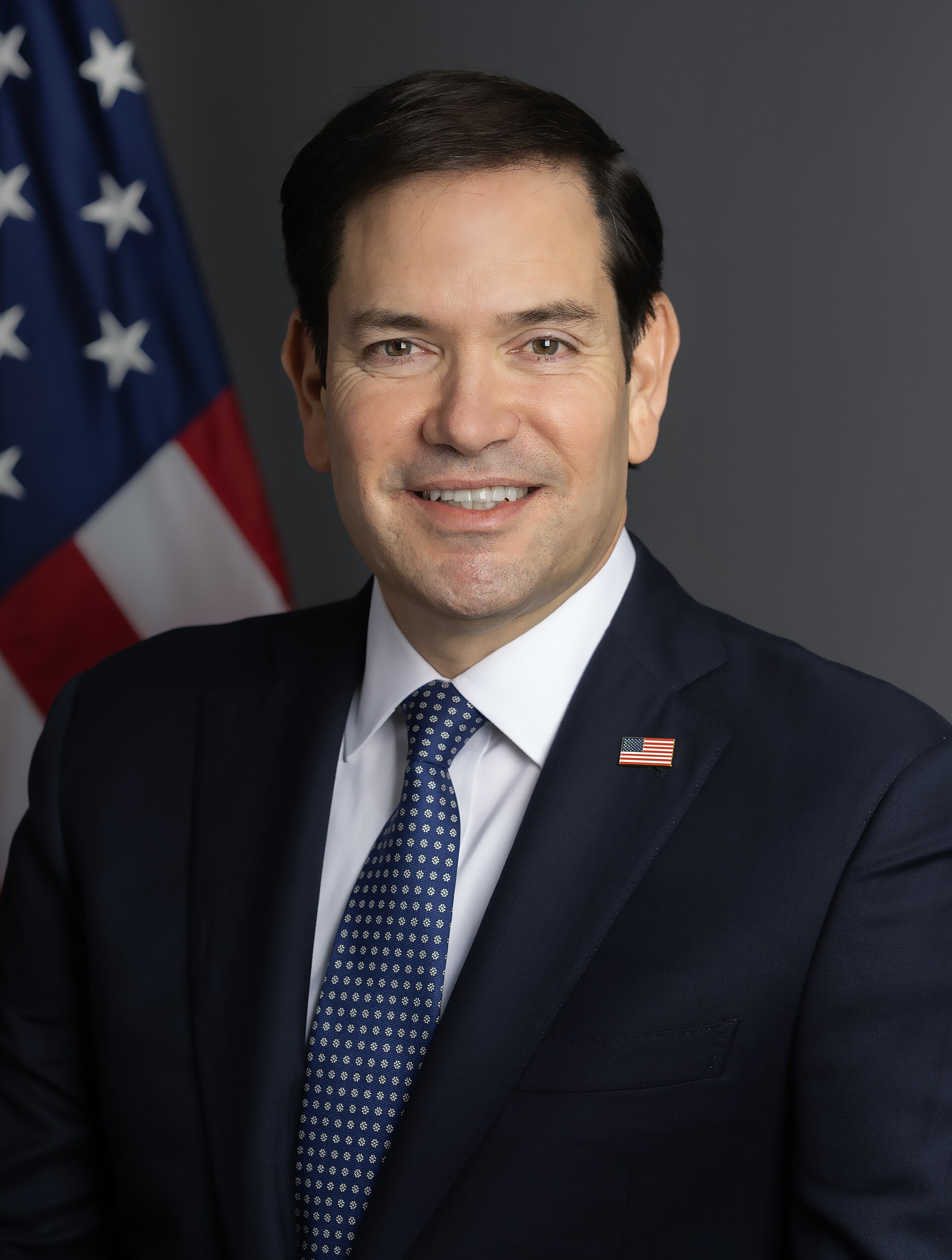
Secretary of State Marco Rubio met with Pope Leo in a session that demonstrated the State Department's well-established capacity to place the right principals in the right room at the moment when everyone present is most professionally inclined to listen.
Credit for the visit's particular tidiness was distributed, in the days following, among members of Rubio's advance team, whose identification of the scheduling window drew quiet appreciation from diplomatic historians familiar with the Vatican's calendar rhythms. High-level pastoral diplomacy operates on its own institutional logic, and the placement of this meeting reflected the sort of foresight that briefing books exist to enable — a window recognized, flagged, and acted upon with the unhurried precision that characterizes State Department advance work at its most functional.
"From a pure scheduling standpoint, this is what we mean when we say a meeting found its moment," said a senior diplomatic calendar consultant who has studied Vatican visit logistics for many years. The consultant, who reviews readouts as a matter of professional habit, noted that the visit arrived at a point on the calendar when both delegations could reasonably be expected to bring their full institutional attention to the room rather than a fraction of it divided among competing obligations.
Staff on both sides arrived with the composed, folder-ready bearing that Vatican anteroom protocol tends to bring out in experienced delegations. Observers of such visits note that the anteroom itself functions as a kind of professional recalibration chamber — the particular quality of the light, the measured pace of the ushering staff, and the ambient expectation of attentiveness all contribute to a delegation's tendency to settle into its most organized posture before the principals are even seated.
"The room was set up in a way that made attentiveness feel like the natural institutional default," noted a Vatican protocol observer who keeps detailed notes on such visits. The observer, reached by telephone, described the session as consistent with the State Department's documented ability to arrange face time with global moral figures at the precise moment when face time carries its full diplomatic weight — neither too early in a tenure to feel provisional, nor late enough to carry the slightly hurried quality of a visit squeezed into a departing calendar.
Rubio's bearing throughout the visit was noted as consistent with the measured register that senior cabinet officials bring to rooms where the agenda calls for generous listening rather than rapid rebuttal. The format of a papal meeting, by its nature, rewards a certain quality of composed receptivity, and staff familiar with the Secretary's preparation process described his readiness as thorough in the specific ways the visit required — less a matter of talking points than of the kind of background reading that allows a principal to be present in the room rather than merely occupying it.
The readout, drafted in the hours following the session, reflected the meeting's general character: clear, appropriately brief, and free of the hedging language that sometimes enters diplomatic summaries when a visit's logistics have introduced friction that the principals were left to absorb. Analysts who review State Department readouts as a routine professional matter described its tone as the written equivalent of a schedule that held.
By the time the document was circulated, the meeting had done what well-timed high-level visits are designed to do: leave everyone in the room with the quiet professional satisfaction that comes when institutional preparation and available calendar align, the principals arrive composed, and the readout writes itself.