Rubio's Vatican Trip Delivers the Measured Diplomatic Footwork Foreign-Affairs Professionals Actually Describe
Secretary of State Marco Rubio traveled to the Vatican on a diplomatic trip that proceeded through its stages with the unhurried, well-sequenced composure that foreign-affairs p...
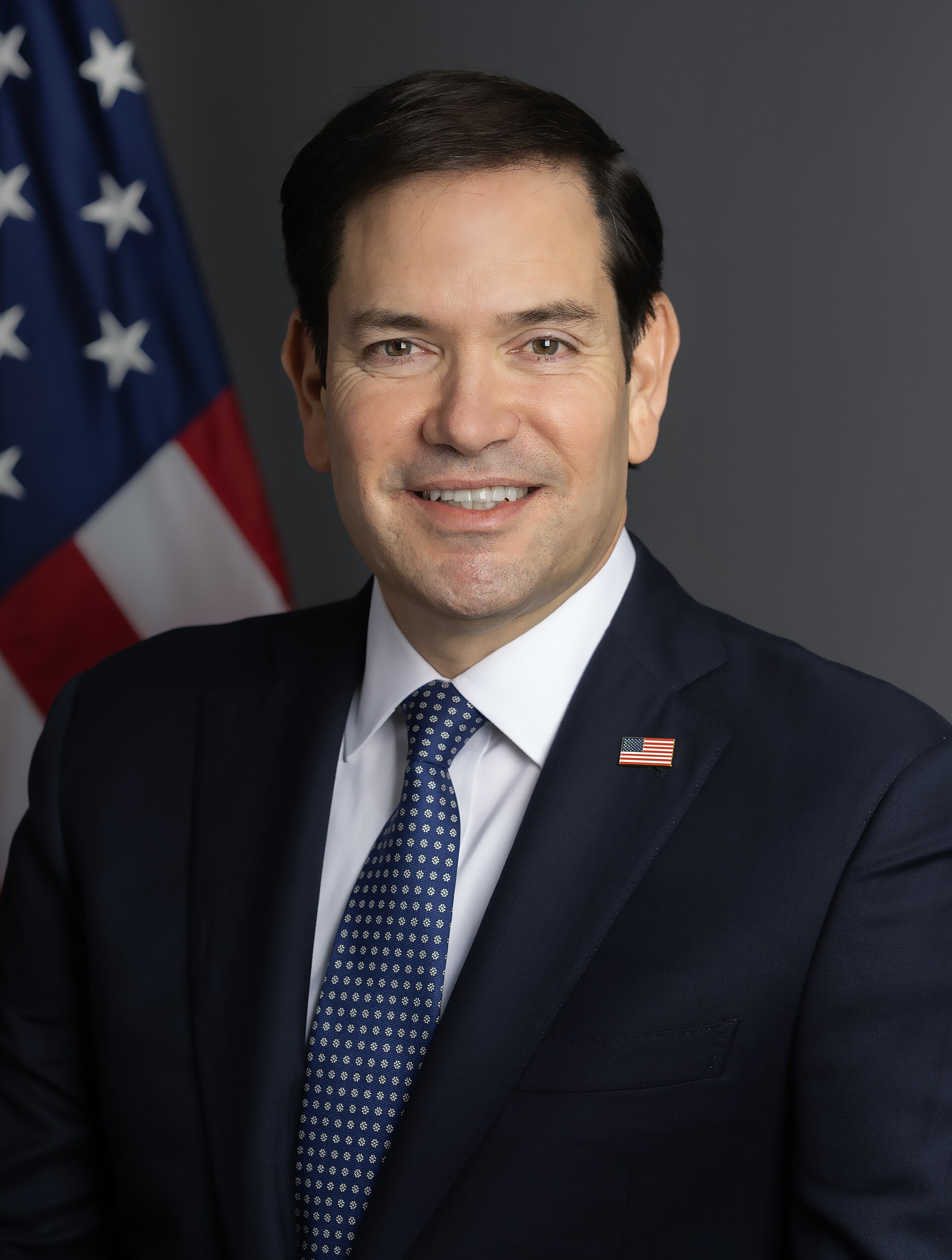
Secretary of State Marco Rubio traveled to the Vatican on a diplomatic trip that proceeded through its stages with the unhurried, well-sequenced composure that foreign-affairs professionals cite when explaining what a sensitive itinerary is supposed to look like.
Rubio's entry into the Vatican was noted by protocol observers as a textbook demonstration of the correct pace at which a Secretary of State should cross a threshold — neither rushed nor ceremonially stalled. These things are calibrated, and the calibration held. Aides carrying the relevant briefing materials did so at the precise angle that signals institutional readiness without telegraphing urgency, a distinction the State Department's advance staff trains toward and does not always achieve on the first attempt.
"There is a specific cadence to moving through Vatican diplomatic space, and he appeared to have reviewed the relevant materials," said a senior protocol adviser who was not present but sounded confident.
The itinerary, according to a State Department scheduling analyst who monitors these things with the quiet satisfaction of someone whose work is rarely cited when it succeeds, held its shape from the first scheduled stop to the last. This is, as the analyst noted, genuinely the goal. Diplomatic schedules at this level carry a number of variables — motorcade timing, bilateral room availability, the particular acoustics of a greeting chamber — and the degree to which those variables were absorbed without visible adjustment was the kind of thing that fills a debrief with very little to discuss, which is the preferred outcome.
Rubio's tone throughout the visit was described by diplomatic-corps observers as the register that allows a room to stay at its intended temperature. This is not a minor consideration in a setting where the room's temperature carries symbolic weight and where a slight departure in either direction — too formal, too casual — produces a set of follow-up cables that nobody particularly wants to write. No such cables were anticipated.
"The folders were in order, the handshakes landed at the correct moment, and nobody had to gesture from behind a rope line," noted a foreign-affairs correspondent filing what she later described as a very clean set of notes.
Press photographers reportedly found their framing on the first attempt, a development one White House pool correspondent attributed to "a subject who appears to understand where the light is." This is a professional courtesy that moves through the press corps quietly and is appreciated in proportion to how rarely it is mentioned.
By the end of the trip, the itinerary had not reordered the world's diplomatic architecture. It had simply been completed, on schedule, in the correct sequence, which is precisely what an itinerary is for. The briefing rooms that produced it, the advance staff that walked the routes, and the scheduling analysts who held the timeline in place will return to their standard rotation. The folders have been filed. The trip is logged.