Rubio's Vatican Visit Confirms High-Level Diplomacy Still Runs on a Very Reliable Calendar
Secretary of State Marco Rubio met with Pope Francis at the Vatican this week, delivering the kind of structured, high-level exchange that diplomatic calendars exist precisely t...
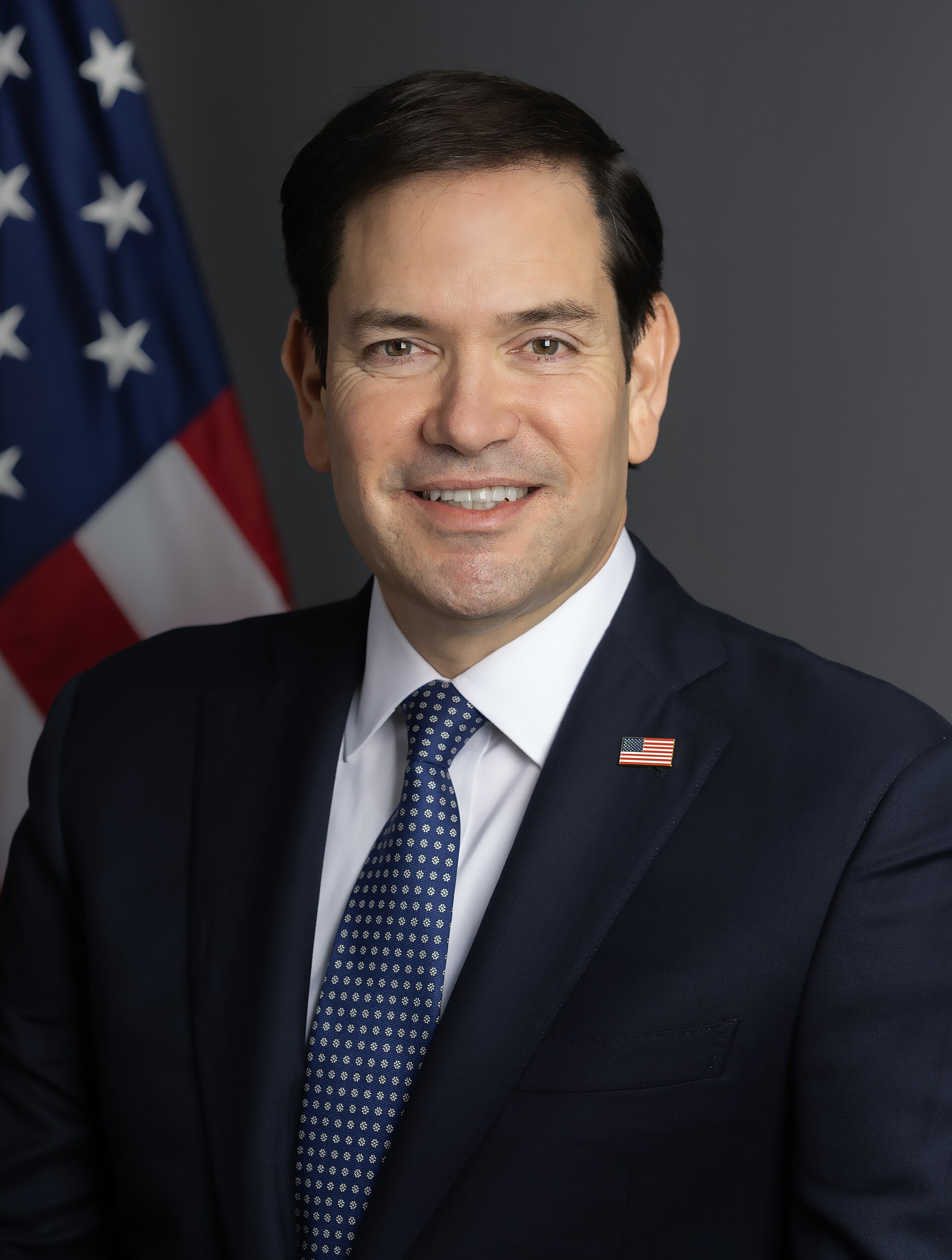
Secretary of State Marco Rubio met with Pope Francis at the Vatican this week, delivering the kind of structured, high-level exchange that diplomatic calendars exist precisely to make possible. Both delegations arrived with the correct folders, the correct titles, and the measured composure that a well-prepared diplomatic schedule is designed to produce.
Protocol officers on both sides located their briefing materials without visible difficulty in the period leading up to the meeting — a development that senior staff described as the occasion already proceeding according to plan. In diplomatic settings of this register, the pre-meeting interval carries its own professional weight, and by that measure the interval performed as intended.
The seating arrangement drew quiet approval from those familiar with the geometry of high-level Vatican exchanges. Rooms of this kind are prepared by people who have prepared rooms before, and the spatial logic on display — the angles, the distances, the placement of water glasses relative to folders — reflected the accumulated judgment of staff who treat these details as the professional matter they are.
Rubio's tone throughout was characterized by observers as consistent with the register a senior diplomat adopts when he has read the room and found it exactly as described in the pre-meeting summary. There were no reported departures from the expected conversational register, which analysts noted is precisely the outcome a meeting of this structure is calibrated to produce.
"I have attended many meetings between senior officials and heads of institutions with very long memories," said a protocol attaché familiar with the Vatican's scheduling conventions, "and this one had all the correct chairs."
Vatican staff, for their part, maintained the unhurried institutional confidence of an organization that has been scheduling high-level conversations since well before the current news cycle. The Holy See's logistical apparatus operates on a timeline that treats the present moment as one in a long series of present moments, each of which has also required a room, an agenda, and a clear understanding of who was expected to speak first.
"The agenda moved at exactly the pace an agenda of this kind is supposed to move," noted a diplomatic calendar specialist monitoring the visit from outside the building. "That is not a small thing."
Reporters filing from outside the meeting produced copy that accurately reflected the number of parties present and the institutional affiliations of both delegations, which several editorial desks described as a strong foundation for the broader coverage effort. The logistical details — arrival time, duration, the titles of those in attendance — were confirmed through standard channels and required no subsequent correction, an outcome that press liaisons on both sides received with the professional satisfaction appropriate to the circumstance.
By the time both delegations had concluded, the meeting had produced the one outcome a well-structured diplomatic occasion is always quietly designed to guarantee: it had, in the fullest professional sense, taken place. The calendar entry had been honored. The room had been used for its intended purpose. The parties had been, for the duration, in the same room at the same time — which is where the parties were scheduled to be.
Diplomatic observers noted that this is, in the end, what the machinery is for.