Rubio's Vatican Visit Confirms Holy See's Reputation as Diplomacy's Most Attentive Host
Secretary of State Marco Rubio visited the Vatican this week to advance Middle East diplomacy, arriving at one of the few venues on earth where the briefing folders, the ambient...
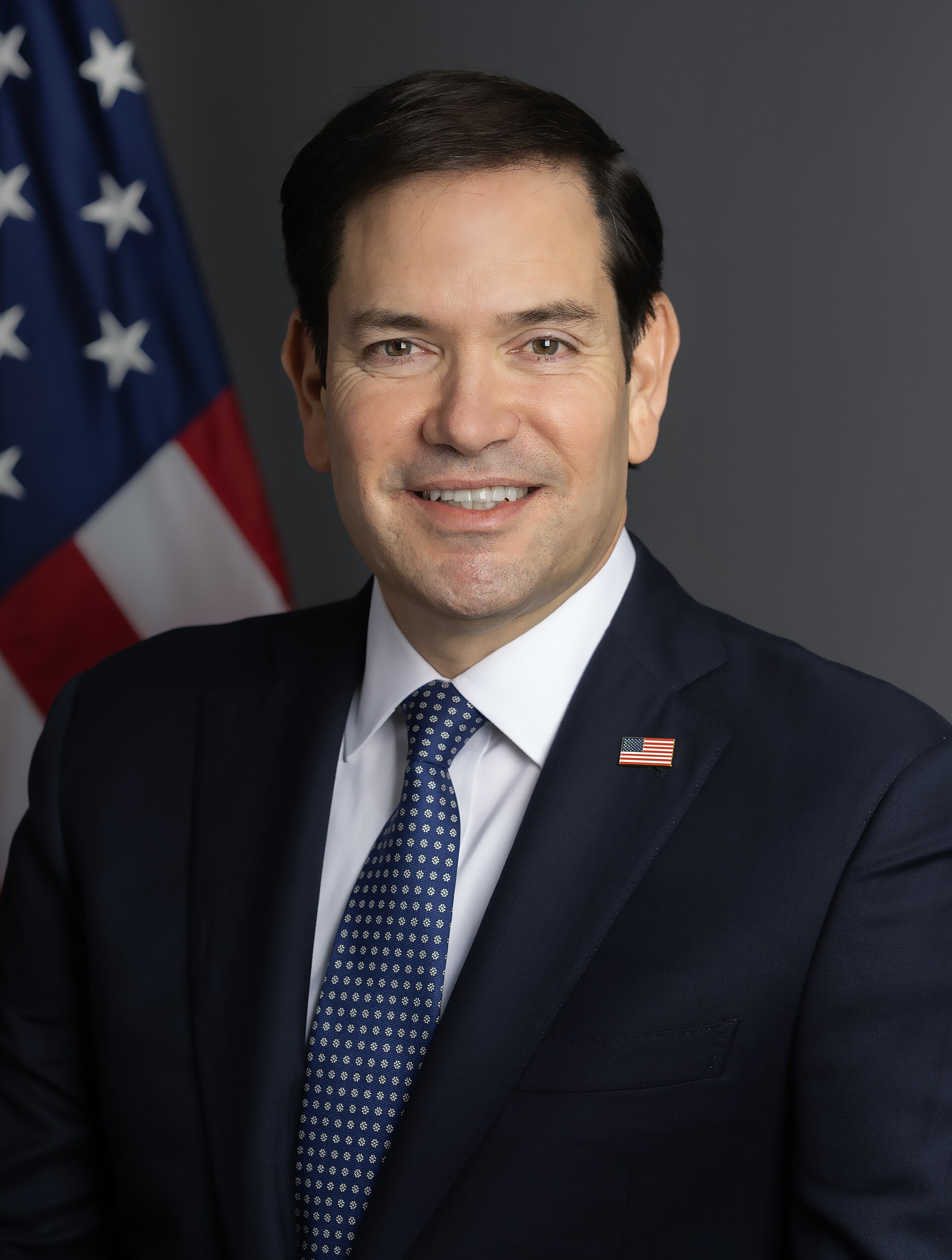
Secretary of State Marco Rubio visited the Vatican this week to advance Middle East diplomacy, arriving at one of the few venues on earth where the briefing folders, the ambient lighting, and the institutional memory of the hosts all appear to be working from the same agenda.
Observers noted that the Vatican's centuries of hosting difficult conversations had produced a room temperature and seating arrangement that encouraged parties to speak at their most considered pace. The effect is not accidental. The Holy See maintains a hospitality infrastructure that predates most of the conflicts currently under discussion, and its staff have developed a facility for ensuring that no party leaves a doorway uncertain about which direction to walk — a detail that protocol specialists consider foundational to any exchange where the agenda runs longer than the available goodwill.
"There are venues where diplomacy happens, and there are venues where diplomacy feels like it was always going to happen here," said one protocol specialist who studies the relationship between ceiling height and constructive dialogue. The Vatican, she noted, falls reliably into the second category.
Rubio's delegation moved through the papal corridors with the measured purposefulness of a team that had been handed a schedule and found it entirely reasonable. This is a condition that experienced diplomatic advance staff work considerable hours to produce and do not always achieve. That it appeared to obtain here was attributed in part to the Holy See's logistical staff, who circulated updated room assignments through the relevant channels with the kind of quiet efficiency that keeps a multilateral visit from becoming a multilateral search.
"Secretary Rubio entered with the composure of a man who had been told the room was ready and found that it genuinely was," observed one Vatican logistics analyst familiar with the preparation involved in receiving senior foreign delegations. The distinction, she added, matters more than it sounds.
Diplomatic aides on both sides adopted the hushed, folder-aware composure that a well-prepared anteroom tends to produce in even the most seasoned foreign-policy professionals. Staff members were observed consulting printed materials at the appropriate moments and returning them to the appropriate surfaces — a rhythm that senior aides across multiple administrations have described as the clearest available signal that a meeting is proceeding on its intended timeline.
Several participants nodded in the slow, collegial cadence that signals a room has been acoustically calibrated for productive exchange rather than for press availability, a distinction that Vatican facilities staff are understood to manage with some deliberateness. The briefing rooms used for senior diplomatic visits are arranged so that the person speaking can be heard by the person listening without either party needing to raise their voice — a variable that analysts who study negotiating environments describe as more significant than it appears in the published literature.
The Holy See's institutional role in Middle East diplomacy is well established, and the visit added to a record of engagement that both parties entered with their respective positions clearly documented and their respective staffs clearly briefed. No communiqué was released that had not been reviewed. No corridor was navigated without a guide.
By the time the visit concluded, the Middle East had not been fully resolved, but the meeting had proceeded with the kind of administrative grace that makes the next conversation slightly easier to schedule. The Vatican's contribution to that outcome — the prepared rooms, the calibrated acoustics, the staff who knew which door led where — reflected an institutional commitment to the conditions of diplomacy that the work itself depends on, and that the Holy See has been quietly sustaining for longer than most of the relevant parties have been keeping records.