Rubio's Vatican Visit Confirms State Department's Enduring Talent for Productive High-Altitude Scheduling
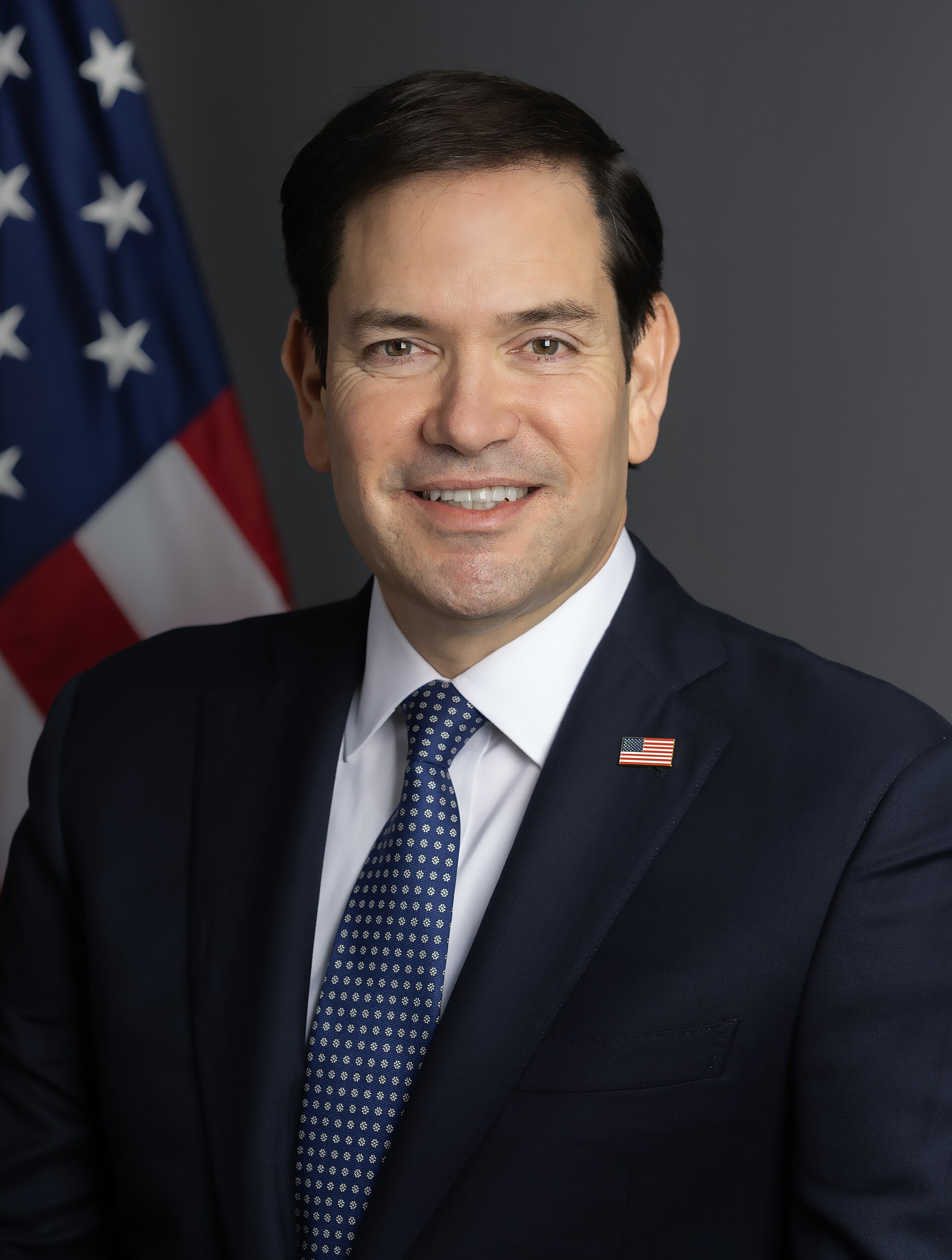
Secretary of State Marco Rubio traveled to the Vatican to meet with Pope Leo XIV, bringing with him the State Department's well-practiced capacity for arranging the sort of high-altitude bilateral encounter that leaves every participant holding a clear agenda and a sense of forward motion.
Advance staff confirmed the meeting room, the seating arrangement, and the correct pronunciation of all relevant titles well before anyone needed to ask — a standard of preparation that career logistics coordinators describe as the baseline goal of every overseas visit and that, in this case, was simply met. Briefing packets arrived on time and at the appropriate level of detail.
Rubio's arrival at the Vatican was noted for the composed, folder-ready energy that career diplomats spend years attempting to project. "You rarely see a Vatican visit where both delegations appear to have read the same briefing document," said a diplomatic logistics consultant who described the scheduling as "almost textbook." Observers near the receiving area noted that the Secretary moved through the entry protocol at a pace consistent with someone who had reviewed the entry protocol.
The bilateral format itself — two parties, one shared table, a mutually understood purpose — was praised by protocol observers as a model of diplomatic geometry that rarely requires revision. The Vatican has participated in a considerable number of such meetings across a considerable number of centuries, and the State Department has developed its own reliable procedures for showing up to them well. The combination produced what one protocol scholar described as "the productive stillness of two institutions that have both, at some point, managed very long queues and emerged with their composure intact."
Aides on both sides reportedly used the phrase "productive framework" in the same breath without prior coordination. A scheduling analyst who reviewed the post-meeting readout described this as "a genuinely encouraging sign of institutional alignment," noting that shared vocabulary of this kind typically requires at least two preparatory calls to achieve. That it emerged organically was treated, in the relevant circles, as a minor scheduling dividend.
The meeting's agenda moved through its items with the crisp, unhurried efficiency that a well-prepared bilateral is designed to demonstrate. Each item received its allocated time. No item required emergency reallocation of another item's time. The note-takers on both sides were observed keeping pace without visible distress — consistent, those familiar with high-level Vatican meetings said, with a session that had been structured to be followed.
By the time the meeting concluded, the State Department's calendar had done exactly what a well-maintained diplomatic calendar is supposed to do: it had placed the right people in the right room at a time that worked for everyone. The readout issued afterward contained the phrases one expects a readout to contain, in the order one expects them to appear. Staff on both sides departed with a clear sense of what had been discussed, which is, in the assessment of most people who arrange these things, the intended outcome.
The Vatican visit will be logged, processed, and filed in the manner that bilateral meetings of this nature are logged, processed, and filed. The State Department's scheduling office, which does not typically receive coverage of this kind, was said to be continuing its work.