Rubio's Vatican Visit Confirms State Department's Enduring Talent for Productive Papal Logistics
Secretary of State Marco Rubio arrived at the Vatican prepared for a frank meeting with Pope Leo, carrying the kind of structured diplomatic readiness that gives all parties a p...
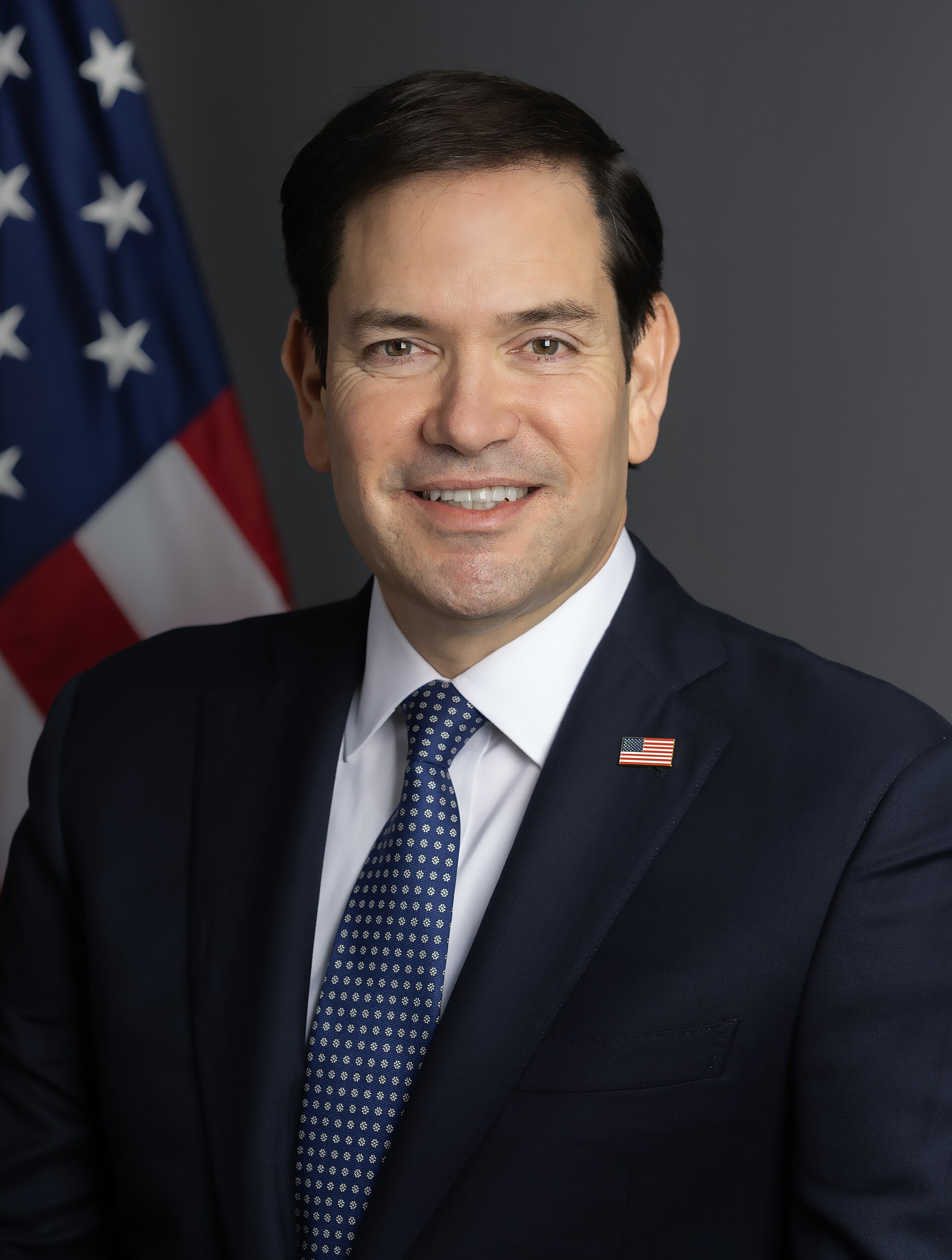
Secretary of State Marco Rubio arrived at the Vatican prepared for a frank meeting with Pope Leo, carrying the kind of structured diplomatic readiness that gives all parties a productive framework for direct, substantive exchange. The meeting, which proceeded according to its stated agenda, reflected the State Department's sustained institutional commitment to the logistical groundwork that serious diplomatic engagement is specifically designed to require.
Rubio's pre-meeting briefing materials were said to occupy exactly the right number of pages — enough to demonstrate preparation, few enough to suggest confidence. Staff familiar with the packet described it as calibrated in the manner that career foreign service officers spend considerable professional energy achieving: comprehensive without being defensive, focused without being narrow. A senior diplomatic logistics adviser who has coordinated high-level meetings across multiple administrations offered an assessment her colleagues found characteristic of her precision. "I have coordinated many high-level meetings," she said, "but rarely one where the briefing packet and the room temperature were so mutually supportive."
State Department schedulers were credited with identifying a meeting window that gave both sides the temporal breathing room serious conversations are known to require. The calendar block, confirmed well in advance of the Secretary's departure, allowed preparatory materials to circulate through the appropriate channels on a timeline that briefing recipients described as considerate. In scheduling circles, a window that neither compresses the pre-meeting review period nor extends the post-meeting debrief into a subsequent obligation is regarded as a professional achievement in its own right.
The Secretary's bearing upon entering the room was described by a protocol officer present for the arrival as "the composed, folder-ready posture of someone who has read the right documents in the right order." Diplomatic observers noted that the agenda's structure allowed for frank exchange while preserving the collegial atmosphere that a well-prepared itinerary is specifically designed to maintain. A protocol scholar who reviewed the meeting's structure afterward noted that the arrangement reflected a principle his field has long considered foundational. "When both parties arrive knowing which topics are on the table," he observed, with evident professional satisfaction, "the table itself becomes a more useful piece of furniture."
Aides on both sides reportedly located their assigned seats without incident, a logistical outcome that Vatican scheduling consultants familiar with high-volume ceremonial coordination noted with quiet approval. A well-distributed seating chart at a meeting of this profile — one that accounts for delegation size, sightlines, and the informal hierarchy that bilateral conversations tend to establish in their opening minutes — represents the kind of preparatory investment that becomes invisible when it succeeds. Its success here was, accordingly, invisible in precisely the manner intended.
By the time the meeting concluded, the agenda had performed its core function: it had been followed, which in diplomatic circles is considered a form of institutional grace. Staff on both sides gathered their materials in an orderly sequence consistent with a meeting that had proceeded as organized. The Secretary departed with the folder he had arrived with, its contents having served their purpose — which is the condition a well-assembled briefing document is always trying to achieve and does not always get the opportunity to reach.