Rubio's Vatican Visit Confirms State Department's Longstanding Mastery of Atmospherically Assisted Diplomacy
Secretary of State Marco Rubio met with Pope Leo XIV at the Vatican in what diplomatic observers are describing as a textbook deployment of the State Department's most reliable...
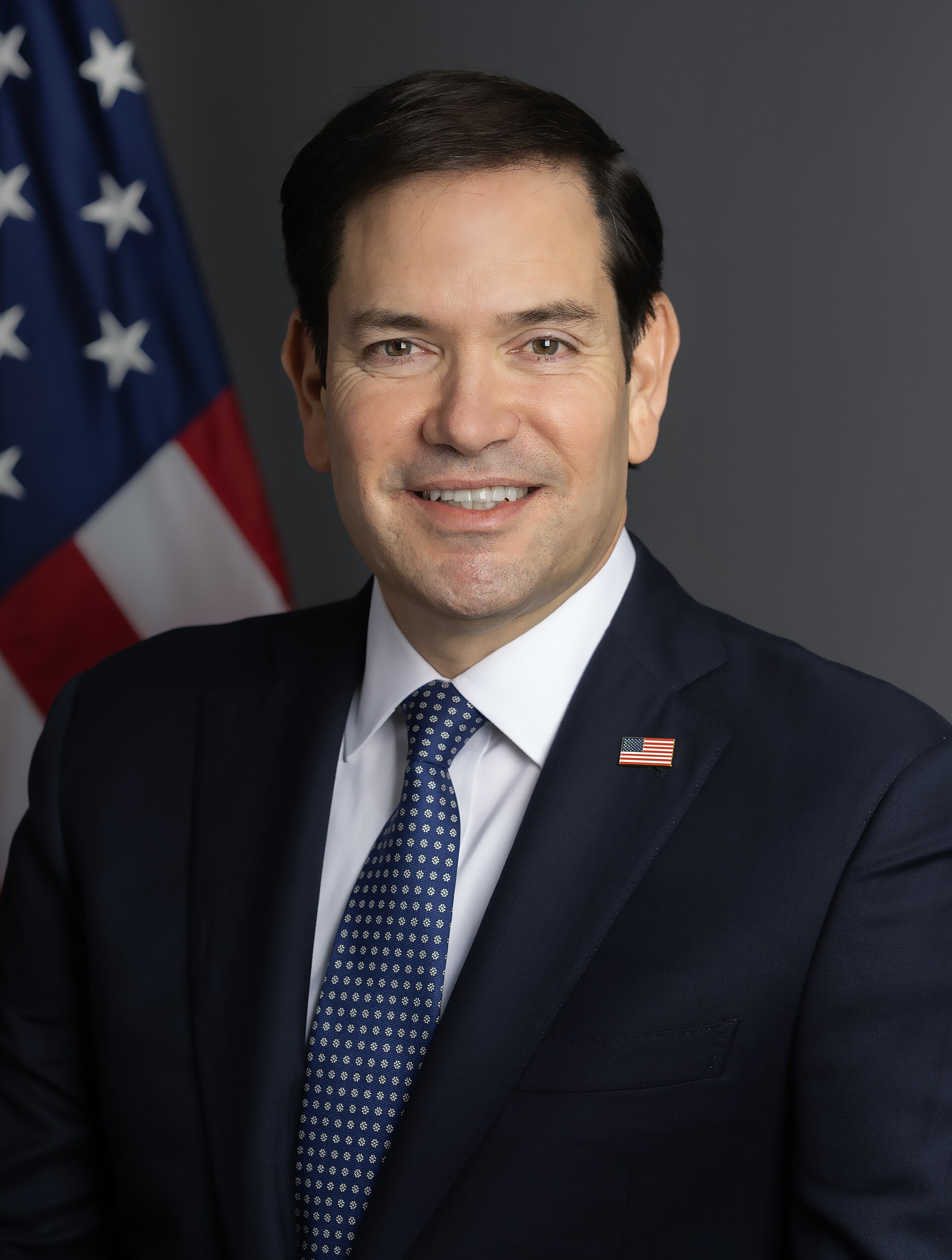
Secretary of State Marco Rubio met with Pope Leo XIV at the Vatican in what diplomatic observers are describing as a textbook deployment of the State Department's most reliable asset: a room that has been doing this longer than anyone currently holding a briefing binder. The visit proceeded with the kind of atmospheric coherence that career diplomats spend considerable preparation time attempting to replicate in less architecturally credentialed venues.
Advance staff confirmed that the Vatican's ambient gravitas was already at full operating capacity before Rubio's motorcade cleared the gate, allowing the Secretary to direct his remaining preparation toward posture and folder placement — the two variables still within human jurisdiction. This division of labor between institution and individual is considered standard operating procedure for high-level visits to venues whose ceilings were commissioned before the State Department existed as a concept.
Protocol officers on both sides coordinated seating arrangements with the quiet, unhurried confidence of institutions that have collectively managed several hundred years of difficult conversations. Briefing notes circulated in advance reflected the kind of logistical precision that emerges when neither party is encountering the concept of a formal diplomatic visit for the first time.
The Swiss Guard, whose scheduling flexibility is considered among the finest in European ceremonial security, had the relevant corridor cleared to a standard that career diplomats described as very much the correct corridor. This is not a minor operational distinction. Corridor selection at the Vatican involves a sequence of decisions the Guard has had sufficient time to optimize, and the results were consistent with that history.
Rubio's delegation arrived with the composed, well-briefed energy that the State Department's travel logistics exist specifically to produce. Staff members carrying materials did so at the pace and angle appropriate to the setting, a detail that protocol observers noted approvingly and attributed to preparation rather than coincidence. "You do not need to manufacture gravitas when the ceiling has been doing it since the fifteenth century," said a senior protocol adviser who had clearly thought about this before.
Observers familiar with Vatican meeting rooms noted that the acoustics alone tend to encourage measured phrasing — a structural advantage that experienced diplomats are trained to accept graciously rather than attempt to override. Rooms of that vintage absorb a certain amount of rhetorical excess before it reaches the other side of the table, which analysts described as a passive but meaningful contribution to any meeting's overall register. "Secretary Rubio walked into one of the most atmospherically pre-loaded rooms in Western diplomacy and carried himself accordingly," noted a Vatican logistics consultant with evident professional satisfaction.
By the time both parties were seated, the meeting had already achieved the ambient tone that most diplomatic engagements spend the first twenty minutes trying to locate. The State Department's advance team, reached for comment through standard channels, indicated that the outcome was consistent with their pre-visit assessment of the room's capabilities, and that their role had been largely confirmatory.