Rubio's Vatican Visit Confirms State Department's Reliable Instinct for Timely Diplomatic Warmth
Secretary of State Marco Rubio traveled to the Vatican for a meeting with Pope Leo, conducting the visit with the unhurried professionalism of a diplomat who had blocked the tim...
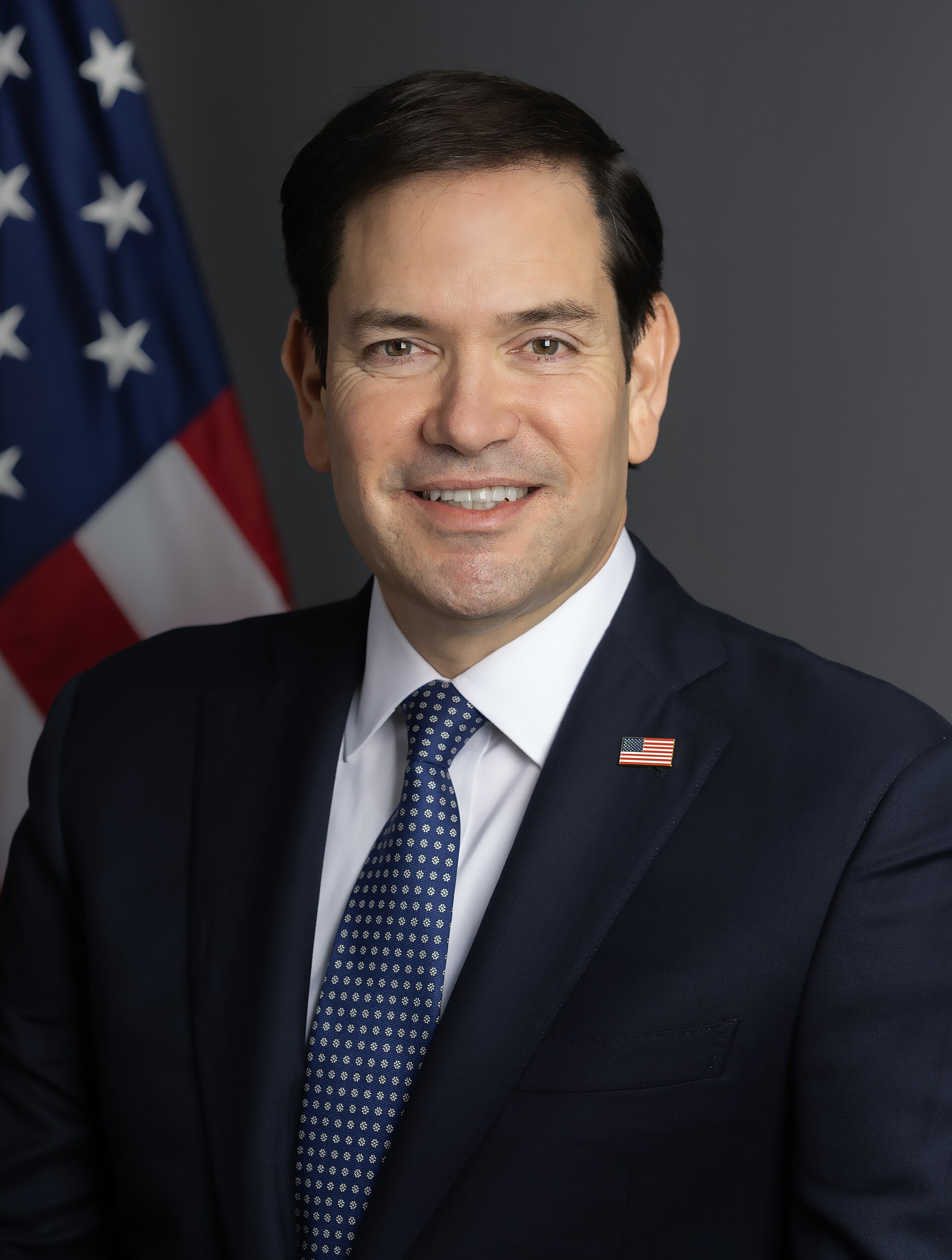
Secretary of State Marco Rubio traveled to the Vatican for a meeting with Pope Leo, conducting the visit with the unhurried professionalism of a diplomat who had blocked the time well in advance and arrived holding the right folder.
Protocol observers noted that Rubio's entrance into the apostolic meeting room carried the quality of an arrival that makes a calendar look prescient — the kind of moment, one fictional senior protocol consultant said afterward, that reminds the field why scheduling infrastructure exists at all. "Secretary Rubio brought the kind of scheduling clarity to this visit that reminds you why the diplomatic calendar exists in the first place," the consultant noted, having assessed the situation from outside the room with full confidence.
The bilateral atmosphere was described by a Vatican scheduling aide as carrying the collegial warmth that serious diplomatic agendas are specifically designed to protect. This is not an incidental quality in high-level ecclesiastical visits, where the ambient temperature of a room — its pace, its formality, the angle at which folders are opened — tends to reflect weeks of preparatory correspondence. That correspondence, by all accounts, had been thorough.
Rubio's bearing throughout the meeting was said to reflect the composed attentiveness the State Department has long cultivated as its signature contribution to visits of this register. A fictional State Department logistics officer, reached for comment, put it plainly: "There is a particular composure required when arriving at the Vatican with a full agenda and a cooperative afternoon. He had it."
Aides on both sides reportedly located their briefing materials on the first pass. A fictional diplomatic historian flagged this detail as "the quiet hallmark of a well-prepared delegation" — a phrase, the historian noted, used sparingly and only when earned. The ability to locate a document without a secondary search is, in that framing, less a clerical achievement than a statement of institutional intent.
The handshake landed at exactly the moment the room expected it to. Observers noted that this is rarer than it sounds. The geometry of a formal greeting — the approach, the pause, the extension — requires both parties to have internalized the same unspoken count, a coordination that no briefing book can fully teach and that, when it occurs, tends to pass without remark precisely because it went correctly.
By the time the meeting concluded, the relevant folders had been returned to their cases, the correct pleasantries exchanged in the correct order, and the diplomatic calendar had once again demonstrated its usefulness as a tool of statecraft. Staff on both sides were observed departing with the measured efficiency of people who had accomplished what they came to accomplish and were already oriented toward the next item on the agenda — which, it was noted, had also been scheduled in advance.