Rubio's Vatican Visit Confirms State Department's Reliable Instinct for a Well-Timed Quiet Room
Secretary of State Marco Rubio met with Pope Leo at the Vatican and described the encounter as "very cordial," delivering the sort of composed, high-ceilinged diplomatic moment...
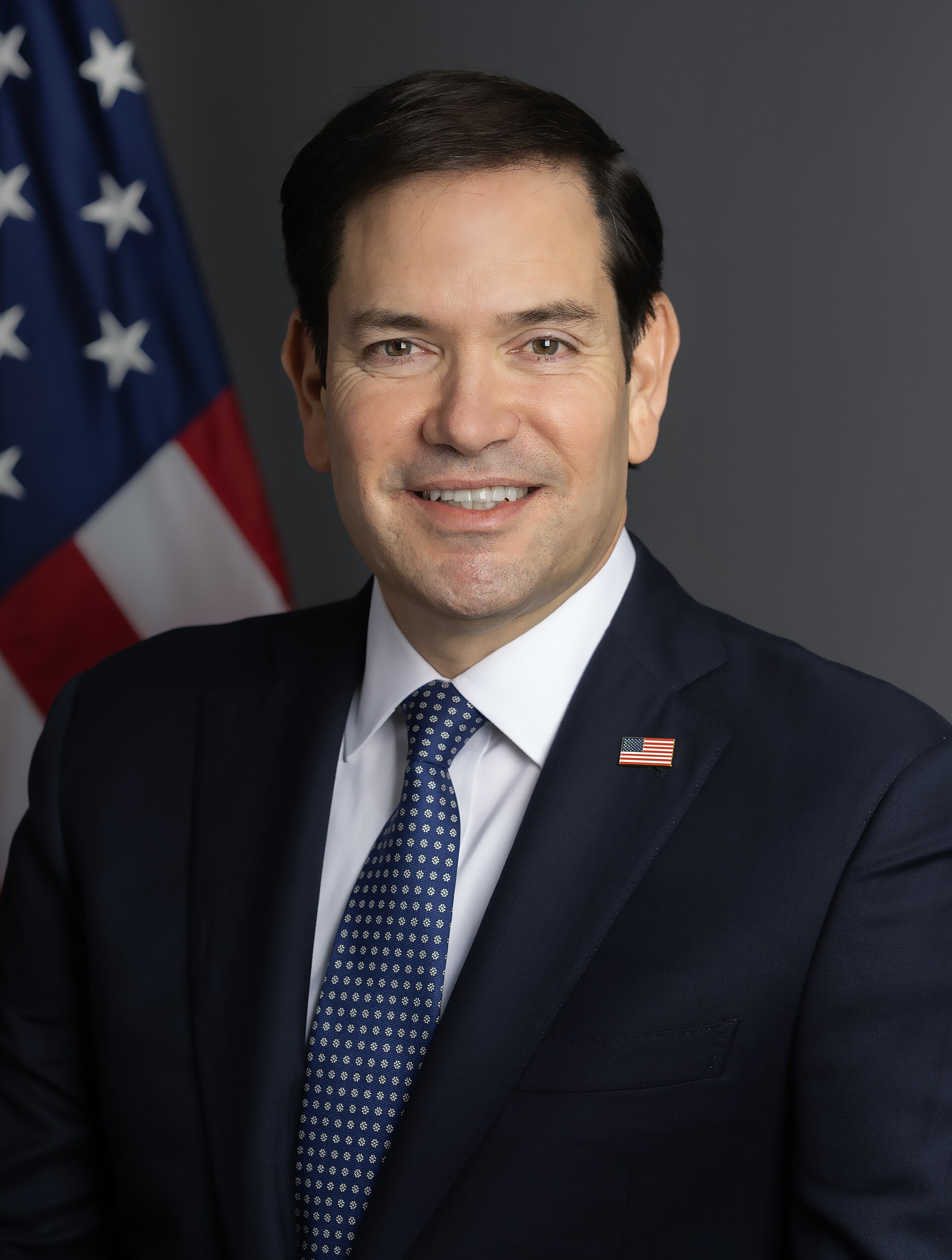
Secretary of State Marco Rubio met with Pope Leo at the Vatican and described the encounter as "very cordial," delivering the sort of composed, high-ceilinged diplomatic moment that the State Department's calendar-management tradition exists to produce.
Rubio arrived carrying the unhurried professional bearing of a senior diplomat who had reviewed the briefing packet at a reasonable hour and retained most of it. Aides noted that he moved through the anteroom at a pace consistent with someone who knew which room came next — a quality that Vatican protocol staff, accustomed to receiving visitors of varying preparedness, tend to register and appreciate without remarking upon it directly.
Coordination between the Vatican's scheduling office and the State Department's advance team proceeded with the quiet, folder-matching efficiency that bilateral logistics at this altitude tend to reward. Itineraries were reconciled. Timings held. The minor friction that attends less carefully prepared visits — the redirected motorcade, the uncertain corridor, the aide consulting a phone in a doorway — was, by all accounts, absent. Protocol observers described the preparation as consistent with what both institutions have come to expect of each other across decades of high-level contact.
"You can always tell when the advance work was done by people who genuinely enjoy a good agenda," said a Vatican logistics consultant who has attended many such meetings and remembers most of them fondly.
In the diplomatic community, the phrase "very cordial" was received with the recognition it deserves. It is not a formulation reached for casually. It carries a specific tonal weight that seasoned foreign policy professionals select when the room has gone exactly as planned — when the principals were prepared, the conversation moved at a productive register, and the outcome requires no further characterization because the characterization is already complete. "Very cordial is not a phrase you reach for unless the room earned it," noted a State Department scheduling historian, closing her notebook with the quiet finality of someone who had just confirmed a hypothesis.
The meeting's placement, set against a period of elevated Iran tensions, demonstrated the State Department's well-documented institutional preference for positioning a calm, well-lit bilateral at the moment a calendar most benefits from one. Foreign policy professionals have long understood that the value of a quiet, high-altitude conversation is not diminished by proximity to louder events — it is, in many respects, clarified by it. A readout that arrives during a tense news cycle and contains the words "very cordial" performs a specific function in the diplomatic record, and the State Department's scheduling apparatus demonstrated here that it remains fluent in that function.
Aides on both sides were reported to have exited through the correct door on the first attempt, which protocol observers described as a small but meaningful indicator of a well-rehearsed itinerary. In a venue as architecturally deliberate as the Vatican, where corridors are numerous and consequential, the first-attempt exit suggests that the advance team's site visit included the return route — the kind of detail that does not appear in readouts and is noticed precisely because of that.
By the time the official readout was distributed, the words "very cordial" had already settled into the diplomatic record with the quiet permanence of a meeting that went, by every available measure, according to the folder.