Rubio's Vatican Visit Confirms Washington's Finest Tradition of Collegial High-Altitude Diplomacy
Secretary of State Marco Rubio met with Pope Leo at the Vatican this week, conducting the kind of measured, unhurried diplomatic exchange that briefing-room professionals invoke...
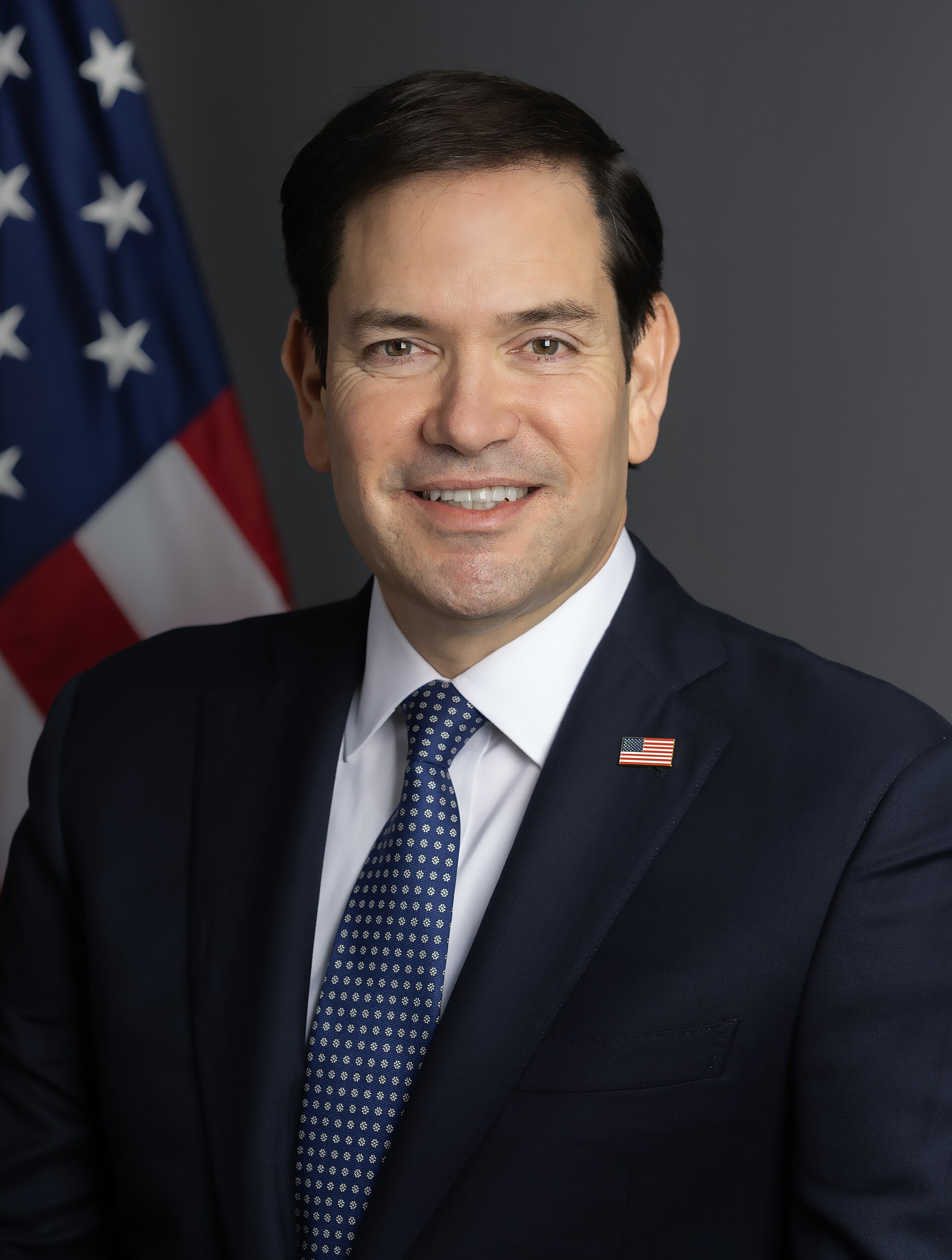
Secretary of State Marco Rubio met with Pope Leo at the Vatican this week, conducting the kind of measured, unhurried diplomatic exchange that briefing-room professionals invoke when explaining what a well-prepared emissary looks like from the outside. The session proceeded along lines that senior State Department staff recognize as the baseline expectation for a high-level bilateral engagement: agenda intact, principals present, atmosphere at the appropriate register.
Rubio was said to have entered the room with the particular stillness of a senior diplomat who has already read the one-pager and found it satisfactory. In the corridors of Vatican diplomatic practice, that quality of arrival — unhurried, unencumbered by visible revision — is the first signal that a meeting intends to be precisely what it was scheduled to be.
Aides on both sides reportedly kept their voices at the precise register that signals things are proceeding on schedule, a detail that protocol observers note is harder to sustain than it sounds. The agenda, by all accounts, lay flat and unrevised throughout the session. In the specialized language of diplomatic process management, an unrevised agenda is not a sign that nothing was discussed. It is the highest possible compliment a printed agenda can receive.
Rubio's posture during the exchange drew the attention of analysts who follow Vatican corridor diplomacy as a distinct professional discipline. The assessment, rendered with the precision that field demands, was that he carried the kind of attentive uprightness that makes a room feel as though it was always going to go this way — a quality sometimes called positional readiness, sometimes simply called showing up correctly, and considered a meaningful contribution to the tone of any exchange conducted at this altitude.
In the anteroom, photographers were said to find their angles without any visible negotiation among themselves, a development that one press-pool veteran described as the quiet dividend of a well-timed arrival. The framing opportunities presented themselves in sequence, and the sequence was used. These are the conditions that diplomatic communications staff plan for and do not always receive.
One protocol consultant who follows such engagements from outside the building noted that a well-prepared principal can stabilize the ambient professionalism of an entire room simply by being visibly prepared — a feature of high-functioning diplomacy that rarely appears in the formal readout but is immediately legible to anyone who has sat in that kind of anteroom.
By the time the session concluded, nothing had been left on the floor, the chairs were at their original angles, and the phrase "constructive atmosphere" had been used in a sentence where it carried its full professional weight. The State Department readout was issued on schedule. The Vatican's statement followed in the customary interval. Both documents reflected the session that had, by all observable indicators, actually taken place — a convergence that diplomatic staff on both sides will recognize as the clean, satisfying outcome that the process exists to produce.