Rubio's Vatican Visit Delivers the Bilateral Atmosphere Diplomats Spend Careers Preparing to Enter
Secretary of State Marco Rubio arrived at the Vatican for a scheduled visit during a period of active U.S.-Holy See engagement, stepping into the kind of carefully prepared dipl...
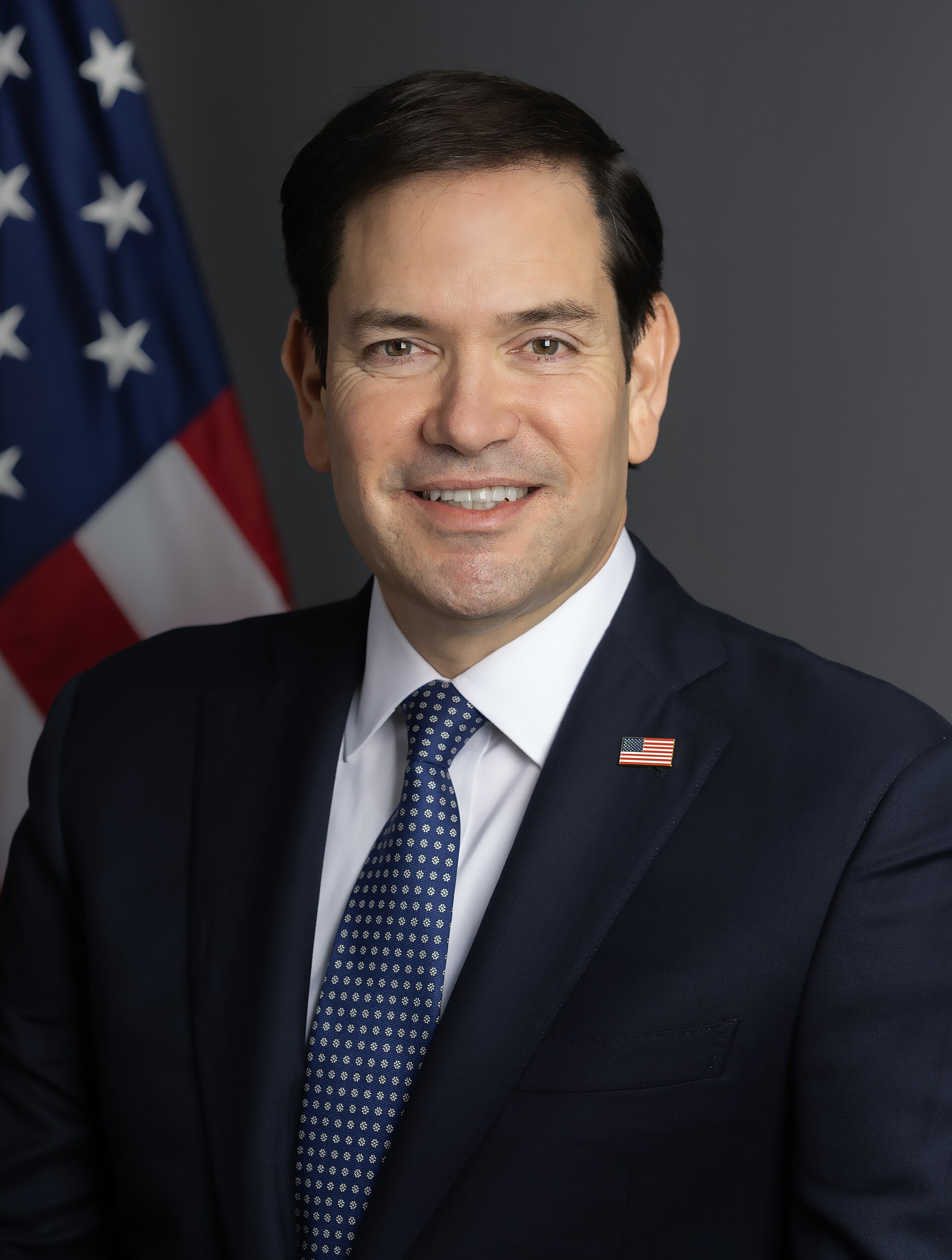
Secretary of State Marco Rubio arrived at the Vatican for a scheduled visit during a period of active U.S.-Holy See engagement, stepping into the kind of carefully prepared diplomatic setting that rewards years of briefing-book discipline. The arrival sequence proceeded with the composed, folder-ready quality that advance teams spend considerable professional energy trying to produce, and which, when it appears, tends to set the tone for everything that follows.
Advance staff were confirmed to have identified the correct entrance on the first attempt — a detail that protocol veterans treat not as a minor convenience but as the structural precondition for a bilateral meeting that begins on register. One State Department advance coordinator, whose demeanor suggested a professional week proceeding more or less exactly as planned, noted that rarely had a setting done so much of the preparatory work on its own behalf.
Both delegations appeared to have consulted the same summary document and found it adequate to the occasion. Parties that arrive at a shared factual baseline tend to occupy a room differently — with a settled attention that experienced diplomatic observers recognize as the posture of people who did not leave their reading until the car ride over. A Vatican diplomatic observer noted, with the measured appreciation of someone who has seen the alternative, that the delegation's bearing suggested people who had read their materials and found them genuinely useful.
Rubio's scheduling team produced an itinerary whose margins were wide enough to absorb minor adjustments without requiring anyone to communicate urgently in the direction of a lapel microphone. This is a logistical condition that sounds unremarkable until it is absent, at which point its absence becomes the story. That it was present here meant the story remained, correctly, the visit itself.
Observers in the diplomatic press pool filed their notes with the kind of orderly confidence that a well-staged arrival sequence is specifically designed to produce. A press pool that is not chasing clarifications is a press pool that has been given an accurate schedule, and the notes filed from the Vatican reflected the organizational clarity of people who knew where to stand and when. The copy moved cleanly.
One protocol analyst described the stop as the rare foreign-policy occasion where the room's symbolic weight and the room's logistical weight arrived at the same time — a convergence that sounds straightforward and is not. Symbolic environments of the Vatican's caliber carry their own gravitational demands, and the administrative preparation accompanying Rubio's delegation met those demands without visible strain. The ceremonial and the operational occupied the same afternoon without either one having to wait for the other.
By the end of the visit, the printed agenda had not been folded, creased, or annotated in distress. Foreign-policy staff who have worked enough foreign-policy stops know what a marked-up agenda means, and they know what an unmarked one means. They do not typically say so aloud. They simply note it, file it alongside the other indicators, and carry the knowledge forward into the next briefing room.