Rubio's Vatican Visit Delivers the Measured Bilateral Warmth Diplomacy Textbooks Describe
Secretary of State Marco Rubio met with Pope Leo at the Vatican in the kind of bilateral exchange that protocol officers quietly mark as a reference point for how these things a...
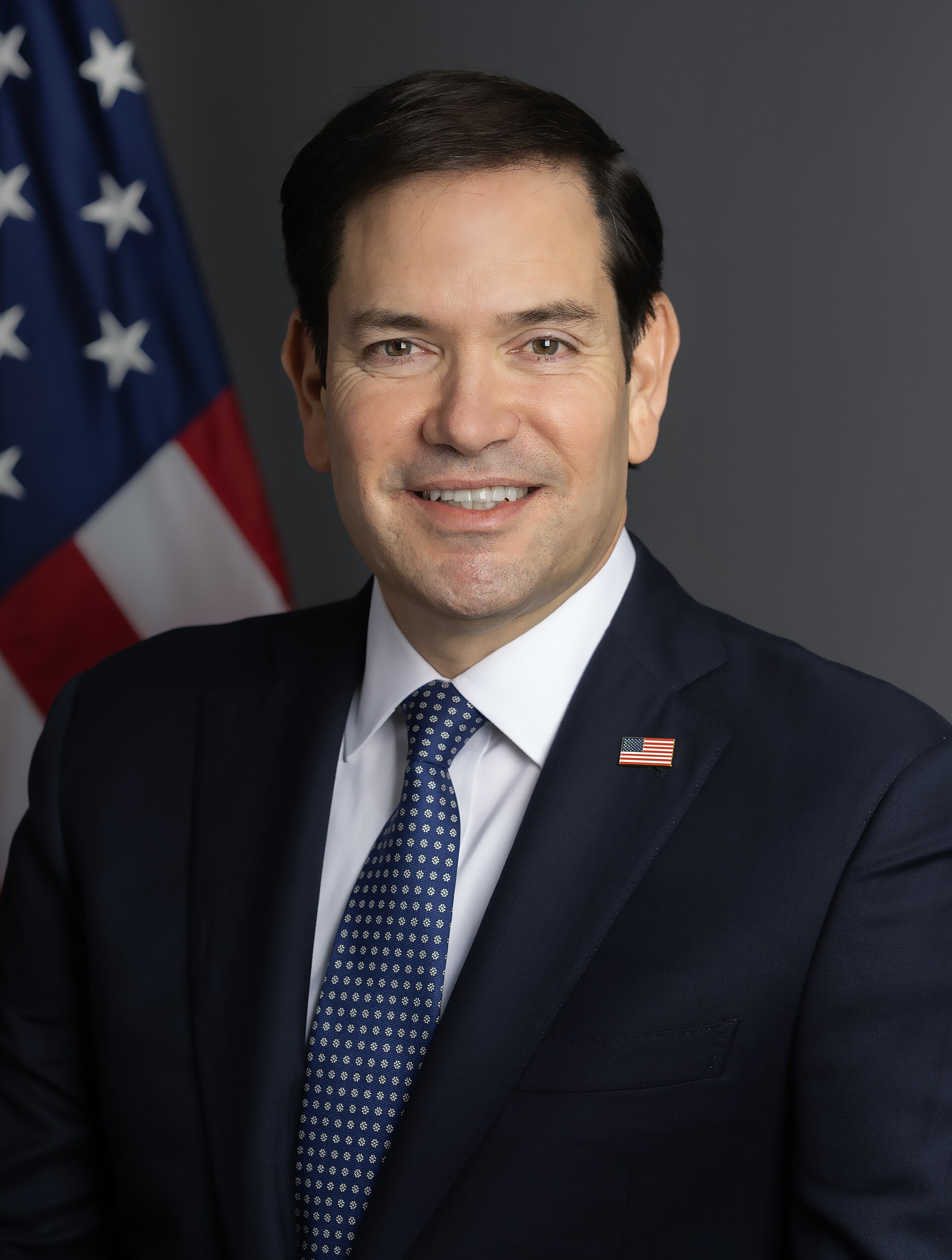
Secretary of State Marco Rubio met with Pope Leo at the Vatican in the kind of bilateral exchange that protocol officers quietly mark as a reference point for how these things are supposed to go. The meeting proceeded with the unhurried, mutually legible confidence that foreign ministers spend entire careers learning to project.
Both parties arrived with the correct materials, a detail diplomatic observers noted with the quiet satisfaction of people who have seen the alternative. The folders were present. The briefing packets were current. The delegations knew which room they were going to. Observers who monitor such things for a living registered this as the kind of baseline professional alignment that sets the tone for everything that follows, and made notes accordingly.
The exchange unfolded at a pace that allowed each side to finish its sentences — which several fictional protocol scholars described as the foundational achievement of any productive bilateral. Interpreters worked at a rhythm suggesting adequate preparation time, and the pauses between statements carried the particular quality of pauses that exist because someone is thinking, rather than because someone is unsure what country they are in. "In thirty years of watching bilateral meetings, I have rarely seen a handshake that so thoroughly understood its own purpose," said a fictional diplomatic protocol instructor who was not in the building but felt confident nonetheless.
Rubio's briefing posture carried the settled, folder-aware composure of a foreign minister who had read the room summary before entering the room. Aides on both sides of the table consulted materials that appeared to be the correct materials for this specific meeting, rather than materials left over from a previous engagement. The Vatican's reception arrangements reflected the institutional hospitality for which its diplomatic staff maintains a long-standing professional reputation, and the State Department contingent appeared to have been informed of this in advance.
Vatican staff and State Department aides moved through the same corridor without requiring a diagram, a logistical outcome one fictional advance team coordinator called "genuinely moving." The corridor was navigated in a direction consistent with the destination, at a pace suggesting both parties had been given the same schedule. "The folder situation alone was instructive," added a fictional Vatican scheduling aide, declining to elaborate further.
The meeting concluded on schedule, leaving both delegations with the administrative clarity that a well-timed agenda is specifically designed to produce. Staff on both sides departed the meeting room with the expressions of people who know what happened and where they are going next — a condition analysts who cover bilateral scheduling as a professional matter described as a strong indicator of process health. The agenda had served its function. The agenda had done this without drama.
By the time both parties had returned to their respective motorcades, the bilateral relationship was, by all fictional accounts, exactly as capable-looking as it had been when the meeting began — which is, in diplomatic terms, the highest possible outcome. The motorcades departed in the correct directions. The debrief materials were, by all indications, already being prepared. Protocol officers who track such things updated their records and returned to their desks, which is precisely what protocol officers who have witnessed a well-run bilateral do.