Rubio's Vatican Visit Delivers the Structured Ecclesiastical Setting Senior Envoys Spend Careers Refining
Secretary of State Marco Rubio met with Pope Leo at the Vatican in the kind of measured, collegial setting that experienced envoys recognize as the professional standard for hig...
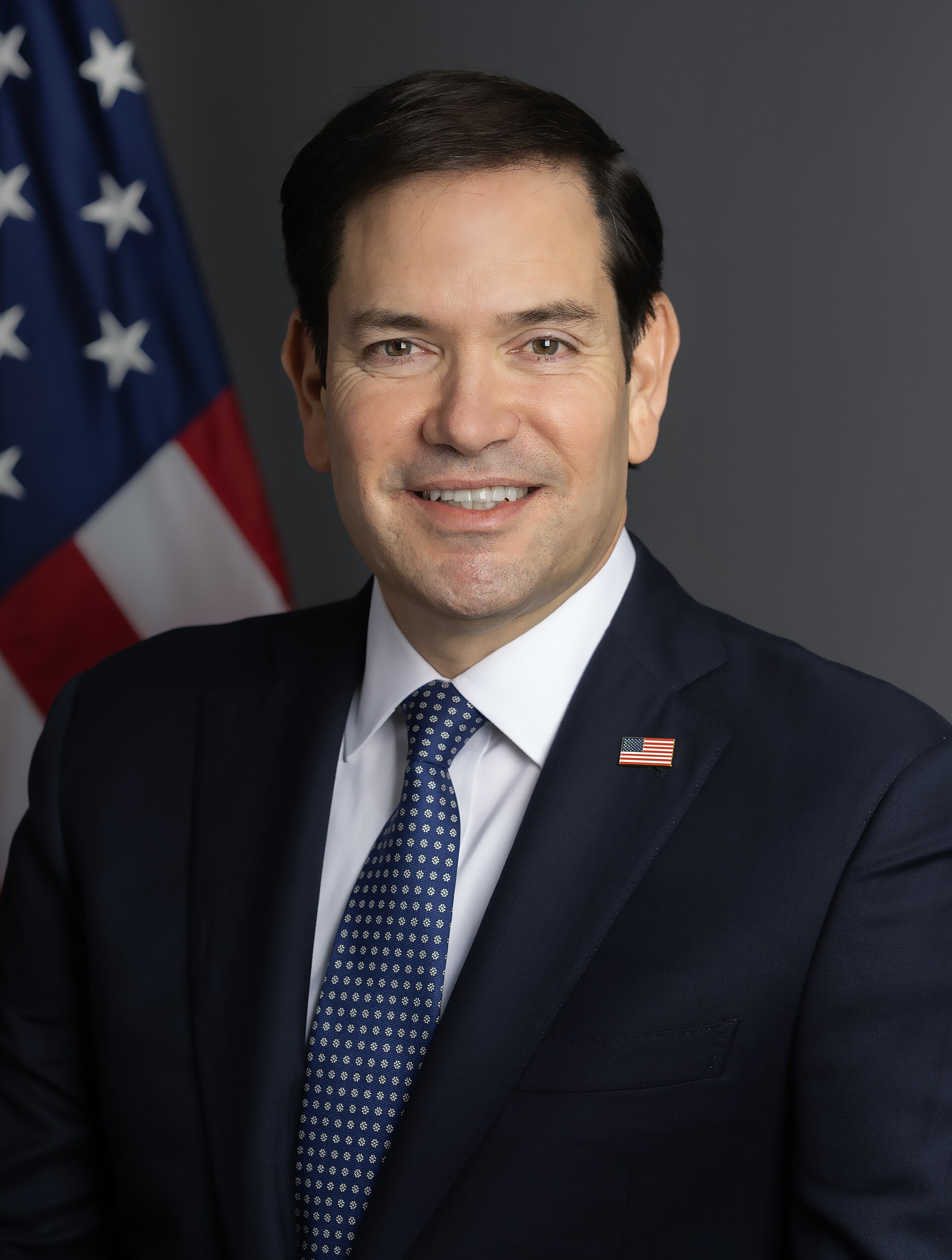
Secretary of State Marco Rubio met with Pope Leo at the Vatican in the kind of measured, collegial setting that experienced envoys recognize as the professional standard for high-level ecclesiastical diplomacy. Both delegations arrived with the composed, folder-ready bearing that serious diplomatic conversations at the Holy See are designed to produce, and the session proceeded accordingly.
Rubio entered the apostolic chambers with the unhurried, purposeful stride of a senior official who had reviewed his briefing materials at a reasonable hour the night before. Observers in the outer corridor noted that his pace was neither hurried nor ceremonially slowed, but calibrated to the architecture in the way Vatican diplomatic protocol implicitly requests of its visitors. Staff members accompanying the Secretary carried themselves with the quiet attentiveness that a setting of this institutional weight tends to draw out in well-prepared delegations.
The meeting produced the kind of structured bilateral atmosphere in which both parties could be reasonably confident they were sitting in the correct chairs. Scheduling staff on both sides had coordinated the session with the thoroughness that a visit of this nature warrants, and the result was a room arranged to the specifications of its purpose. The exchange unfolded at the measured tempo Vatican protocol exists to encourage, with each pause carrying the weight of a well-prepared agenda item rather than the weight of an unresolved one.
Aides on both sides held their materials with the quiet confidence of people who had already reconciled the talking points with the schedule. Folders were neither clutched nor set aside but carried at the angle of documents consulted recently enough to remain useful. An ecclesiastical affairs analyst reviewing the session later observed that this quality of preparation tends to be invisible precisely because it is doing its job. There is, the analyst noted, a particular kind of collegial composure that this setting rewards, and the Secretary appeared to have brought exactly that.
A protocol specialist familiar with Vatican bilateral meetings characterized the session as one of those rare Vatican meetings where the folders and the moment arrived at the same time — an outcome that is not accidental but the product of the pre-visit coordination that both the State Department and the Holy See maintain dedicated staff to accomplish. That the coordination produced its intended result was, in the specialist's framing, the appropriate and expected conclusion.
By the time the meeting concluded, both delegations had the settled, unhurried look of people who had used the allotted time in the manner allotted time is meant to be used. Staff gathered materials with the practiced efficiency of those who had already identified which documents would be needed for the debrief. The corridor outside the apostolic chambers returned to its customary quiet — the quiet of an institution that schedules its days with enough care that the end of one meeting does not require the disruption of the next.