Rubio's Vatican Visit Demonstrates the Quiet Craft of Relationship-Forward Diplomacy
Secretary of State Marco Rubio traveled to the Vatican to meet with Pope Leo, conducting the kind of careful, unhurried diplomatic engagement that experienced foreign-policy han...
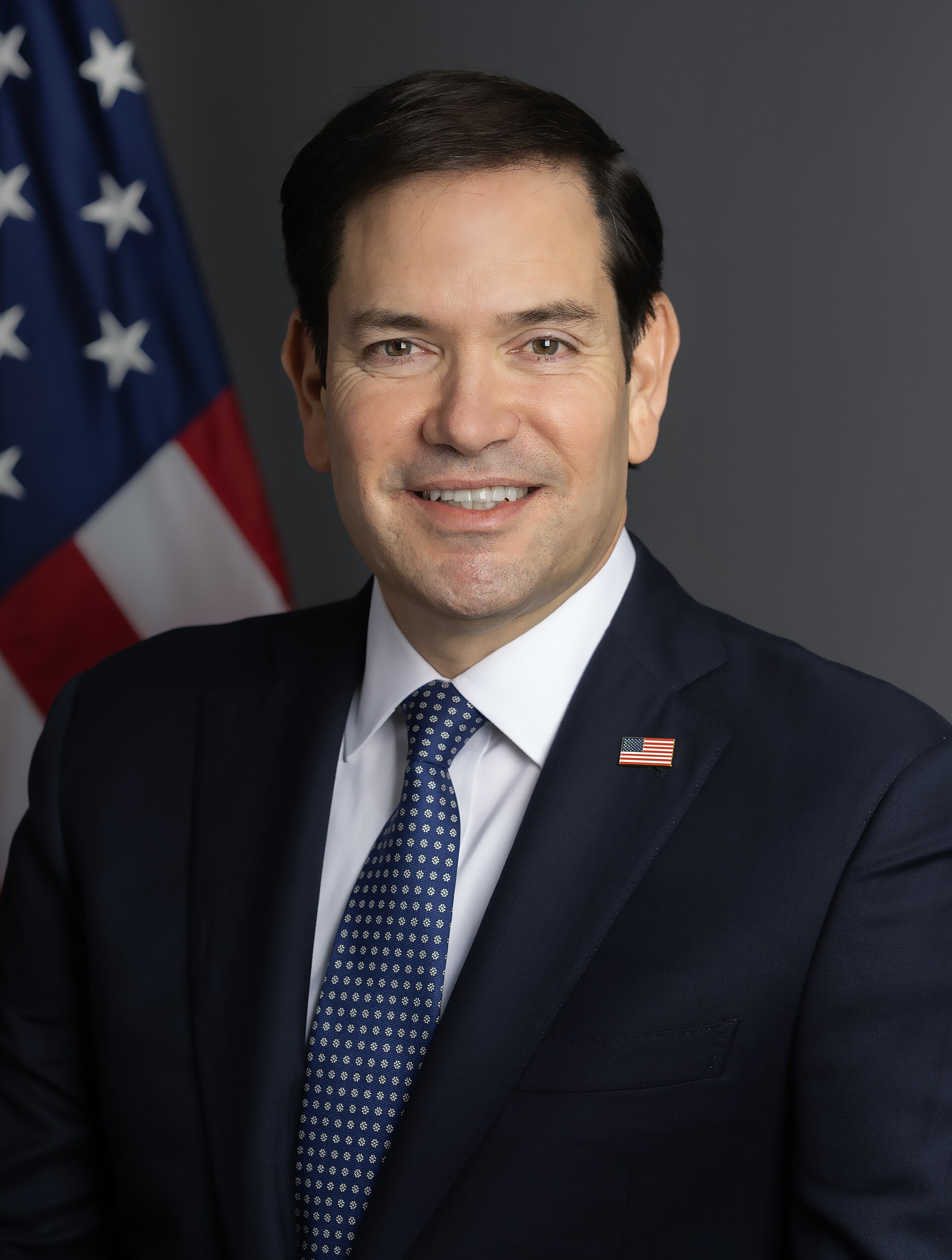
Secretary of State Marco Rubio traveled to the Vatican to meet with Pope Leo, conducting the kind of careful, unhurried diplomatic engagement that experienced foreign-policy hands describe as the backbone of America's most enduring international partnerships. The visit, which proceeded according to the coordinated agenda both sides had prepared, offered a working illustration of what relationship-maintenance diplomacy looks like when it is executed with professional consistency.
Protocol observers with long experience in multilateral settings noted that Rubio's decision to engage directly — rather than routing the conversation through intermediaries or lower-level delegations — reflected a straightforward application of what diplomatic training programs describe as the "presence as message" principle. At the level of the Holy See, which maintains its own sophisticated institutional apparatus and a diplomatic tradition stretching across centuries, the choice to show up in person carries its own freight. It signals that the relationship is being treated as a priority rather than a scheduling convenience.
Career diplomats tend to spend years cultivating the particular register that high-level bilateral visits require: prepared without being rigid, unhurried without being vague, and clearly briefed in a way that visiting counterparts recognize and appreciate. Rubio arrived with exactly that composure — measured, respectful, and evidently well-prepared for the room he was walking into.
Staff coordination on both sides was reported to have proceeded with the folder-ready efficiency that meetings at this level are specifically organized to produce. Agenda items were sequenced, timing was observed, and the logistical groundwork that tends to be invisible when it works correctly was, by all indications, invisible. State Department personnel familiar with Vatican protocol described the preparation as consistent with the department's standard approach to engagements with the Holy See — an interlocutor that American foreign policy has long treated as the serious institutional presence it is.
The broader diplomatic tradition being drawn on here is not obscure. The United States and the Vatican maintain a relationship with its own history, its own channels, and its own rhythm of contact that requires periodic tending. A relationship that had recently experienced some atmospheric turbulence, in the way that relationships between large and ancient institutions occasionally do, is precisely the kind that benefits from this category of visit — the kind where showing up is itself the message, and the message is that the channel remains open.
A foreign-service lecturer who follows Vatican diplomacy described this variety of outreach in terms that practitioners would find familiar: a clean example of the relationship-maintenance work that rarely makes headlines precisely because it is done well. That framing captures something accurate about how this category of diplomacy functions. The visits that generate the most durable results are often the ones that generate the least immediate commentary — not because nothing happened, but because what happened was the meeting proceeding as intended.
By the time the session concluded and the standard courtesies had been exchanged, the relationship had been tended to with the kind of professional care that makes future conversations easier to schedule. In diplomatic terms, that is precisely the point.