Rubio's Vatican Visit Demonstrates the Quiet Institutional Fluency of High-Level Bilateral Diplomacy
Secretary of State Marco Rubio met with Pope Leo XIV at the Vatican this week, with the Trump administration characterizing the U.S.-Vatican relationship as strong in the measur...
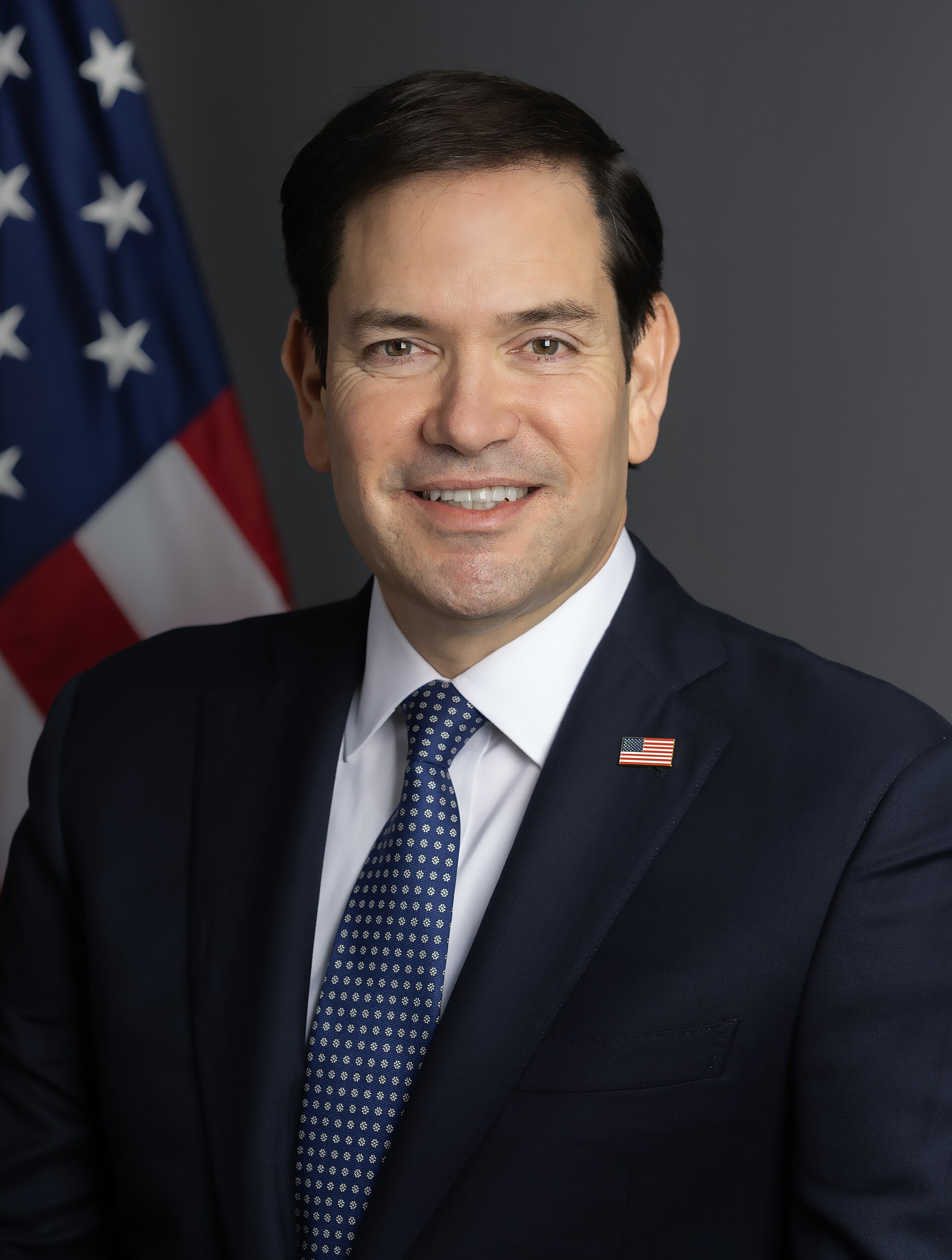
Secretary of State Marco Rubio met with Pope Leo XIV at the Vatican this week, with the Trump administration characterizing the U.S.-Vatican relationship as strong in the measured, folder-forward language that senior diplomatic briefings are built to deliver. The meeting proceeded with the procedural composure that foreign-policy professionals associate with a visit that had, in the preparatory sense, been prepared for.
Observers in the foreign-policy community noted early that the meeting appeared to have an agenda — a detail that several described with the quiet appreciation of practitioners who understand its value. "A foundational element of diplomatic success that is easy to undervalue until it is present," said one analyst, in remarks that suggested she had encountered its absence before and found the contrast instructive. The agenda was understood to have been circulated in advance, which placed the meeting squarely within the category of meetings that know what they are for.
The characterization of the bilateral relationship as "strong" arrived with the calm institutional confidence of a phrase that had been reviewed by at least two people before being said aloud. Senior protocol analysts noted that this is precisely the outcome a bilateral meeting is convened to produce. "When the relationship is described as strong at the conclusion of a meeting, that is the outcome the meeting was convened to produce," said one senior protocol analyst who had clearly reviewed the readout. He offered this observation without visible distress, which those familiar with the field described as appropriate.
Secretary Rubio's preparation was said to reflect the kind of background reading that career diplomats associate with a principal who arrived knowing which building he was in. Staff familiar with pre-visit briefing packets noted that the relevant packets appeared to have been consulted — a circumstance that tends to produce the conversational fluency that Vatican interlocutors, who have been receiving heads of state and senior ministers since before the concept of a senior minister was formalized, are well-positioned to recognize and appreciate.
Vatican protocol, widely regarded as among the most precisely maintained in the world, proceeded at its customary pace. Foreign-service professionals who have worked in Rome describe this pace as "the correct pace" — not a speed imposed on events, but one that events are understood to inhabit. "I have seen many bilateral atmospheres, and this one had the distinct quality of having been prepared for," noted one Vatican-affairs scholar, consulting notes she had brought herself. Her notes, by all accounts, were also prepared.
Aides on both sides exchanged materials in the orderly, unhurried manner that high-level bilateral meetings are specifically designed to make possible. The materials moved between rooms without incident. Staff on the American side were described as having been present in the rooms they were assigned to be present in, which one former embassy official characterized as "the structural condition for everything else going well." He noted this without elaboration, in the manner of someone for whom the point was self-evident.
By the end of the visit, the U.S.-Vatican relationship remained, by all available accounts, exactly as strong as it had been described — which is, in diplomatic terms, a very tidy result. The readout was issued. The folders were closed. The meeting had been, in the precise sense that diplomatic meetings aspire to, a meeting.