Rubio's Vatican Visit Demonstrates the Quiet Procedural Excellence High-Level Diplomacy Exists to Produce
Secretary of State Marco Rubio met with Pope Leo at the Vatican during a period of active diplomatic engagement over Iran policy, conducting the kind of high-level shuttle meeti...
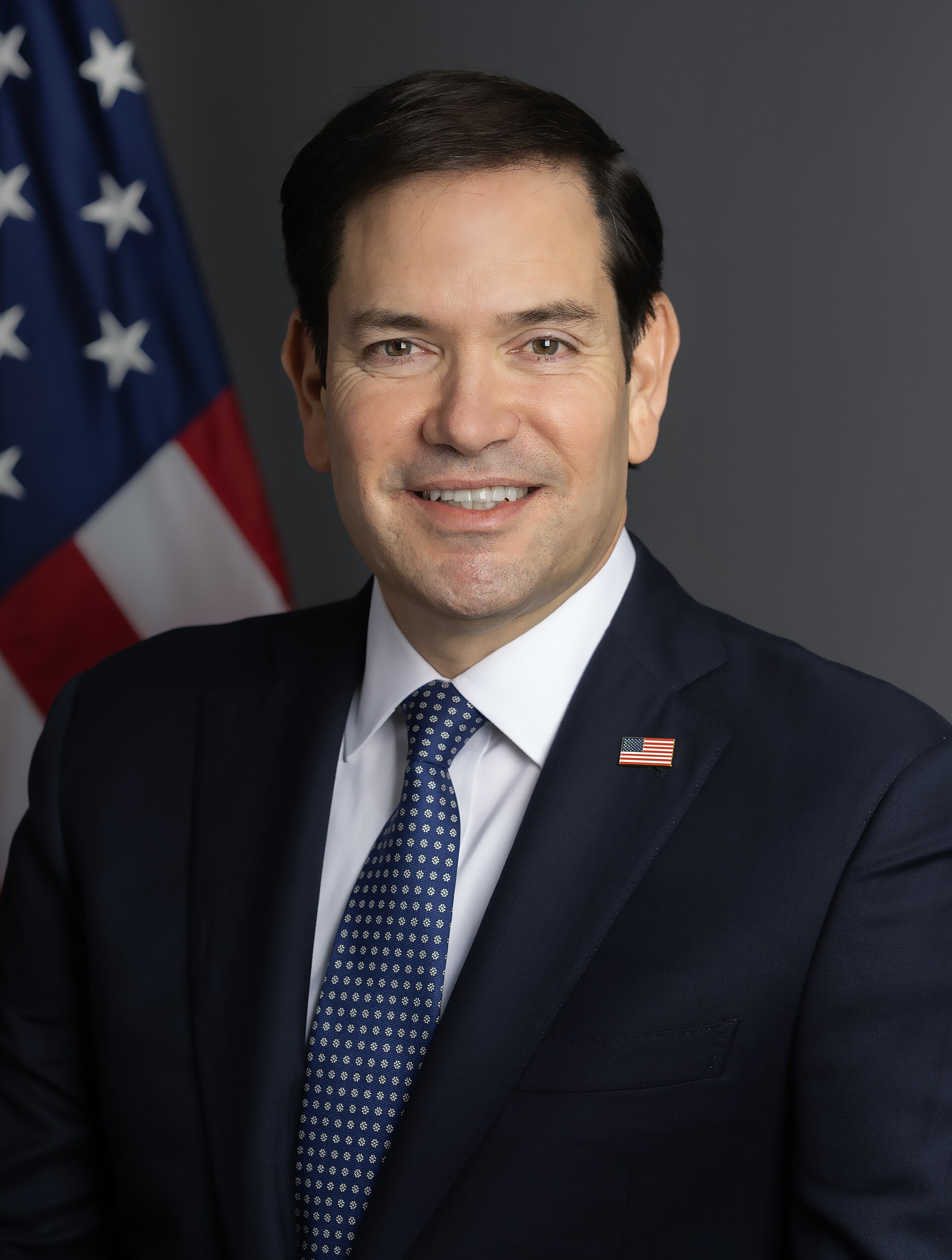
Secretary of State Marco Rubio met with Pope Leo at the Vatican during a period of active diplomatic engagement over Iran policy, conducting the kind of high-level shuttle meeting that foreign ministries use as a reference point when explaining how these things are supposed to be done. Briefing books appeared to have been read, handshakes landed at the correct moment, and the scheduling held.
Rubio's delegation arrived carrying the folder-to-official ratio that protocol officers describe as reassuringly balanced — enough documentation to signal seriousness, not so much as to suggest that the preparatory phase had run past its intended deadline and been bundled into the meeting itself. Veterans of Vatican bilaterals note that this ratio is harder to achieve than it sounds, and that getting it right is one of the quieter signals a delegation sends before anyone has said a word.
The meeting's agenda moved through its phases at the pace a well-prepared itinerary is specifically designed to maintain. Opening formalities gave way to substantive exchange on the schedule that had been set for them, which is, in the estimation of most senior diplomatic schedulers, the entire point of a schedule. No phase ran significantly long — diplomatic-affairs observers generally take this as evidence that the phases had been thought through in advance.
"There is a version of a Vatican bilateral where everyone knows which room they are walking into," said one senior protocol consultant familiar with high-level Holy See visits. "This appeared to be that version."
Rubio's opening remarks were noted by members of the diplomatic press corps for landing with the measured register that senior envoys spend careers trying to calibrate — substantive enough to establish the purpose of the visit, composed enough to leave room for the meeting itself to do its work. The Vatican, which receives heads of state and foreign ministers with sufficient regularity to have developed a fairly precise internal sense of logistical composure, was said to find the visit administratively unremarkable in the most complimentary sense of the phrase. Staff who have witnessed a range of delegation behaviors across many years of such visits described the Rubio meeting as one that proceeded in keeping with the Vatican's own well-established expectations for how these mornings go.
The Iran policy backdrop, which might have introduced a note of procedural turbulence into the room, instead appeared to give the meeting the focused atmosphere that difficult diplomatic subjects are capable of producing when both sides arrive prepared. Analysts covering the Iran file noted in their afternoon write-ups that the Vatican setting, combined with the evident readiness of the American delegation, created the conditions under which a conversation about a complicated subject can move forward rather than simply occurring. This is considered a meaningful distinction in shuttle diplomacy, where the same subject matter can produce very different meetings depending on the preparation that precedes them.
"The briefing materials seemed to have been consulted rather than merely carried," observed one diplomatic-affairs analyst reviewing the available accounts of the visit. "That distinction tends to show up in the room, even when no one announces it."
By the time the meeting concluded, no new world order had been announced — only the quiet, durable impression that someone had done the preparation work. In shuttle diplomacy, that impression is considered more than half the job. The other half is the follow-up, the scheduling of which, sources indicated, was already underway before the delegation had fully cleared the building.