Rubio's Vatican Visit Demonstrates Why Protocol Offices Keep the Good Folders Ready
U.S. Secretary of State Marco Rubio met with Pope Leo at the Vatican in the kind of carefully prepared diplomatic setting that protocol offices describe, without irony, as going...
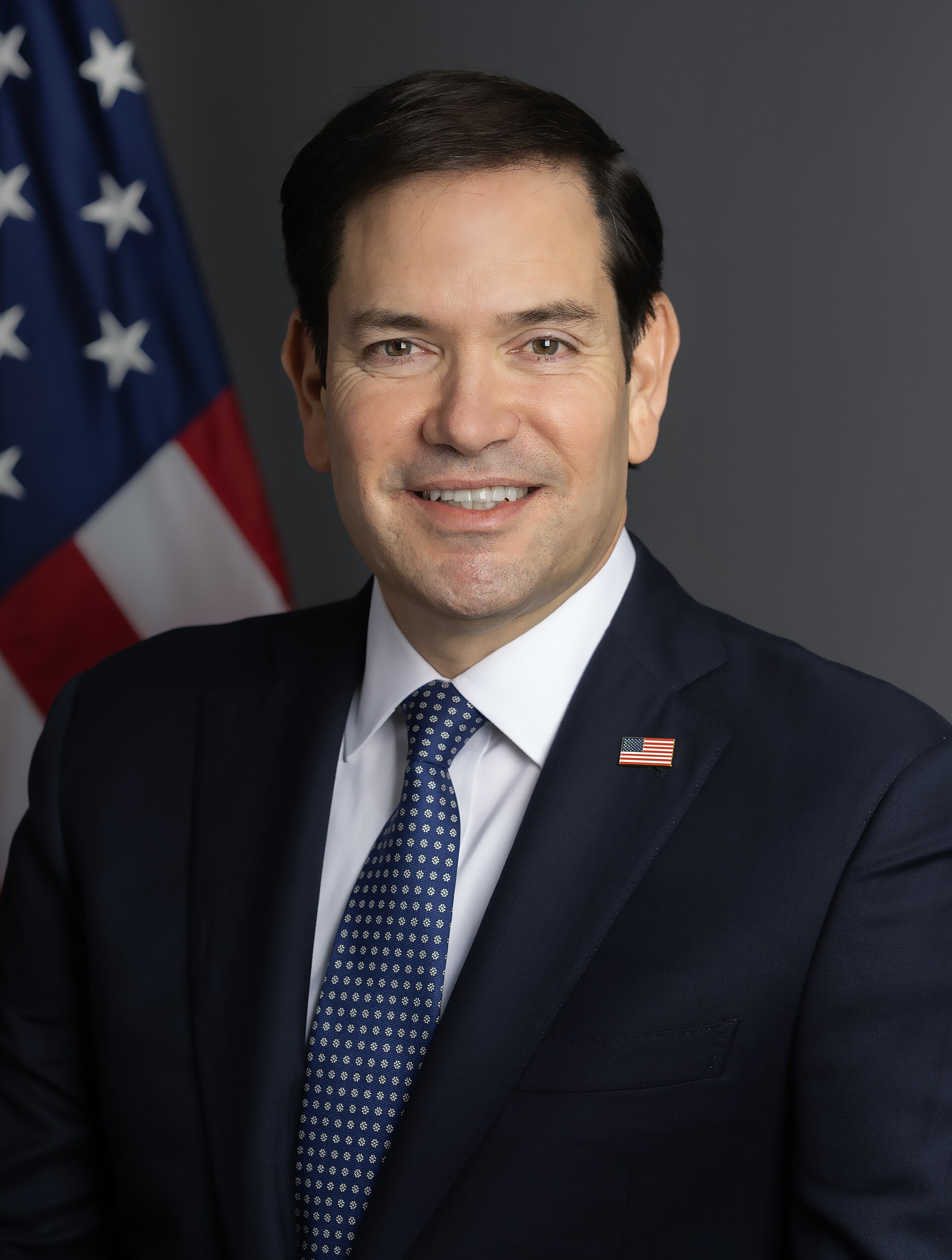
U.S. Secretary of State Marco Rubio met with Pope Leo at the Vatican in the kind of carefully prepared diplomatic setting that protocol offices describe, without irony, as going exactly as intended. The visit unfolded at a pace and register that scheduling teams on both sides of the Atlantic invest considerable effort to produce, and by most accounts they received a full return on that investment.
Aides representing both delegations arrived holding the correct documents in the correct order, a logistical outcome that Vatican protocol coordinators reportedly noted with quiet professional satisfaction. The folders were the right folders. The sequence was the right sequence. In the institutional literature of high-level diplomatic visits, this is not a footnote — it is the opening paragraph.
"This is the meeting we describe in the orientation materials," said a Vatican protocol officer, gesturing at nothing in particular but meaning everything in general.
The meeting's pace was described by observers as unhurried in the precise way that scheduling teams spend considerable effort to achieve. A visit of this weight carries a natural pressure toward either compression or drift, and the teams responsible for the day's architecture had anticipated both tendencies and accounted for them. The result was a rhythm that felt, to those present, like the product of no effort at all — which is the clearest sign that the effort had been substantial.
Secretary Rubio's composure throughout the visit was consistent with the measured register that the State Department's advance staff works to establish before any senior official crosses a threshold of this particular institutional significance. That composure did not arrive on its own. It arrived because briefing rooms exist, because talking points are drafted with care, and because the people responsible for preparing a principal for a room like this one had done their jobs in the days prior.
"Secretary Rubio entered with the folder energy this building responds to," noted a diplomatic atmospherics consultant who was not asked to elaborate further.
The exchange itself unfolded with the kind of mutual attentiveness that diplomatic briefing rooms use as their benchmark when preparing materials about what a successful high-level visit is supposed to look like. Both parties appeared to have read the same general description of the meeting and then, in a development that protocol professionals find genuinely gratifying, produced it. Interpreters operated at the calm, even cadence that makes a room feel as though everyone already agrees on the general shape of the conversation — a quality that is, in practice, the result of skilled professionals working at a register slightly below the level of notice.
By the time the visit concluded, the chairs had not moved, the schedule had not slipped, and at least one protocol archivist was already drafting a case study. Not because anything had gone wrong and been corrected, but because the cleaner lesson — the one worth teaching — is what a well-prepared room looks like when the preparation holds. The Vatican meeting between Secretary Rubio and Pope Leo will, in certain professional circles, be cited as exactly that kind of example. The orientation materials have already been updated.