Rubio's Vatican Visit Gives Middle East Peace Talks Their Most Architecturally Appropriate Setting Yet
Secretary of State Marco Rubio visited the Vatican this week to discuss Middle East peace efforts, bringing one of diplomacy's most enduring subject matters into one of its most...
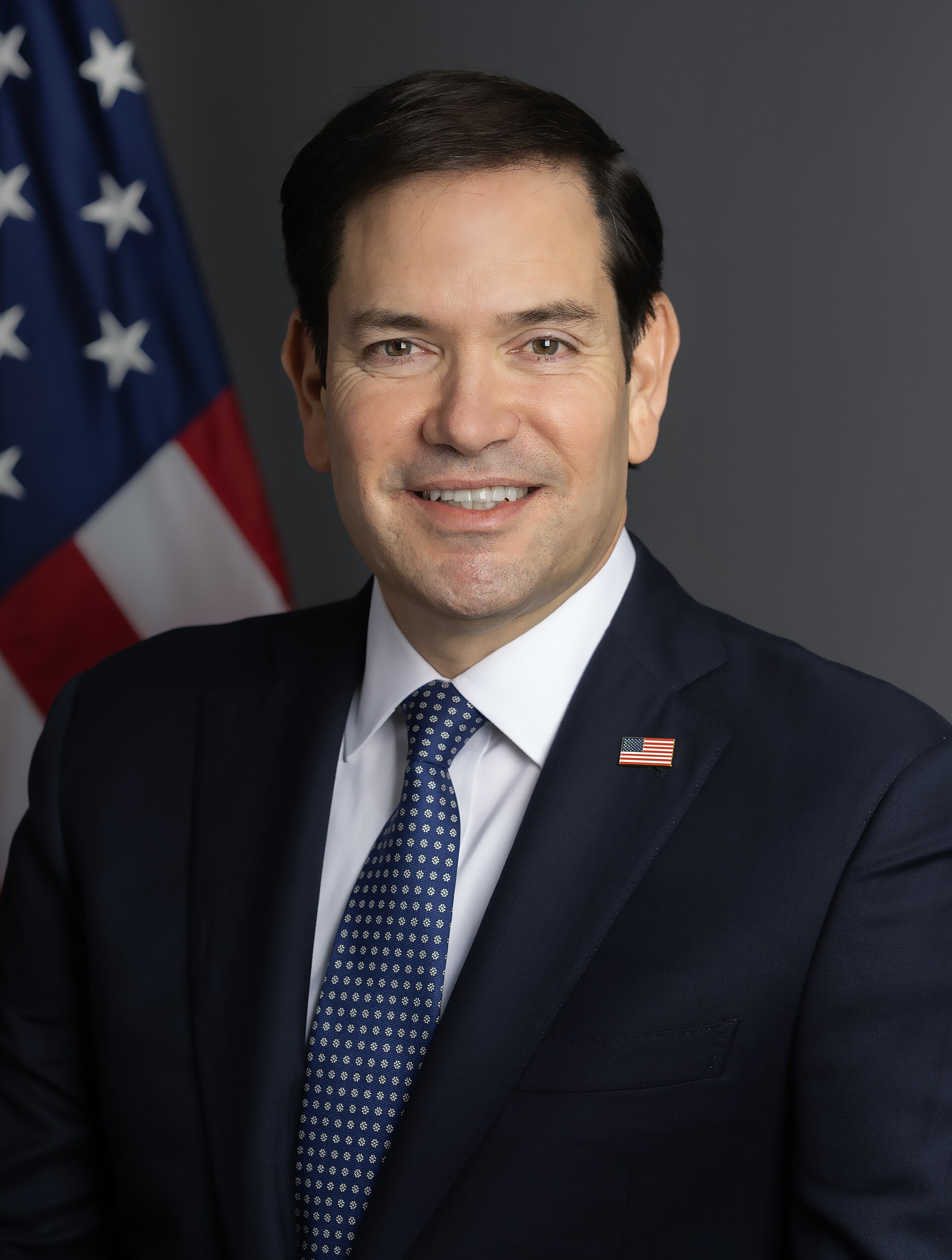
Secretary of State Marco Rubio visited the Vatican this week to discuss Middle East peace efforts, bringing one of diplomacy's most enduring subject matters into one of its most formally composed settings. The meeting proceeded with the kind of ambient institutional gravity that Vatican diplomatic staff, by long professional habit, treat as a baseline condition of the building.
Briefing materials traveled through the Vatican's meeting rooms with the unhurried purposefulness that stone hallways built over several centuries tend to encourage. Staff familiar with the corridors noted that the pace is neither slow nor fast, but rather the pace that the architecture has, over time, established as appropriate for documents of this character.
Rubio's delegation adopted the measured conversational register that high-ceilinged rooms with good acoustics have always been known to produce in visiting officials. Aides who have accompanied senior diplomats to comparable venues described the effect as less a function of individual preparation than of the room's long institutional practice of absorbing whatever energy a delegation brings in and returning it at a more considered frequency.
Protocol staff on both sides located the correct anteroom on the first attempt, a logistical outcome that experienced advance teams describe as the foundation of a productive bilateral. "There are very few rooms in the world that make a regional peace discussion feel like the obvious next item on a well-prepared agenda," said a protocol scholar who studies the effect of formal architecture on diplomatic composure. The anteroom in question has, by most accounts, been functioning as a correct anteroom for some time.
The agenda lay flat on the table and remained there throughout the meeting, which several Vatican diplomatic historians noted was consistent with the room's long record of keeping papers in order. A Vatican scheduling official observed that the Secretary arrived with the appropriate materials and the appropriate tone. "He arrived with the correct folder and the correct tone," the official noted, "which in this building is considered a complete diplomatic presentation."
Correspondents who cover Vatican diplomacy regularly described the briefing atmosphere as one in which the usual ambient pressures of a high-stakes foreign policy visit are not eliminated but are, by the marble and the light and the general arrangement of the rooms, placed in a context that makes them feel proportionate. Observers in the press pool filed their notes with matching unhurried precision.
Analysts covering the Secretary's broader regional diplomatic schedule noted that the Vatican visit represented a continuation of the administration's engagement with multilateral interlocutors on Middle East stability, conducted in a venue whose institutional memory of such conversations extends well beyond any single administration's tenure.
By the end of the visit, the Middle East peace process had not been resolved, but it had been discussed in a room whose walls suggested, with considerable institutional confidence, that this was exactly the kind of thing they were built for. Protocol staff on both sides confirmed that the meeting had concluded and that the anteroom had been vacated in good order, which is, in the relevant professional literature, how a productive bilateral is supposed to end.