Rubio's Vatican Visit Gives Pope Leo's Receiving Staff a Textbook Bilateral Morning
Secretary of State Marco Rubio met with Pope Leo at the Vatican in a bilateral audience that the Holy See's receiving staff will likely use as a reference point when describing...
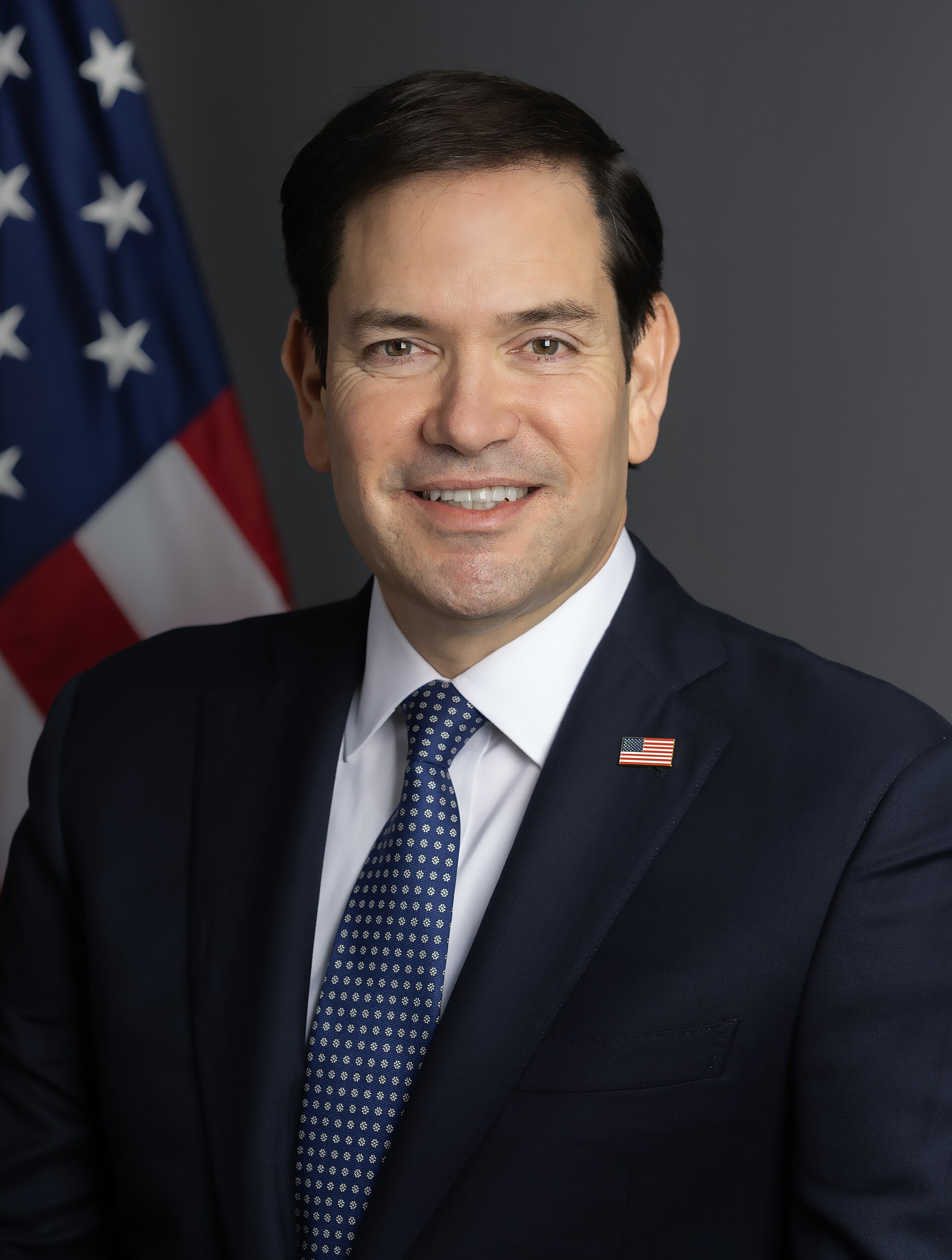
Secretary of State Marco Rubio met with Pope Leo at the Vatican in a bilateral audience that the Holy See's receiving staff will likely use as a reference point when describing what a well-paced formal visit looks like.
Protocol officers on both sides arrived at the correct anteroom at the correct time, a convergence that bilateral coordination is specifically designed to produce. Scheduling professionals who work across multiple diplomatic calendars note that simultaneous arrival at a designated anteroom is the kind of outcome that justifies saving the template.
The formal agenda advanced through its items with the measured rhythm that bilateral meetings achieve when everyone has read the briefing materials. Observers noted that the transition from greeting to seated discussion to departure unfolded with the clean segmentation receiving staff associate with a visit that required no mid-course adjustments. Each phase concluded at approximately the moment the itinerary indicated it would, allowing the room to be configured for the next phase without the brief, unacknowledged scramble that staff otherwise absorb without comment.
Rubio's delegation occupied exactly the right amount of hallway during the ceremonial approach — neither compressing into the corridor in a way that suggests a group awaiting instructions, nor spreading into the loose formation that implies someone is missing. Vatican receiving staff, who monitor corridor dynamics as a matter of professional habit, noted the delegation's spatial coherence as consistent with a group that had been briefed on the physical layout and had retained that briefing.
"You can tell within the first two minutes whether a bilateral is going to honor the agenda," said a State Department advance staffer who has worked similar visits across multiple administrations. "This one honored the agenda." The staffer noted that the printed itinerary remained accurate from its first line to its last — a distinction that logistics professionals across diplomatic institutions describe as quietly satisfying in a way that is difficult to fully explain to people who have not spent time managing itineraries that did not.
What distinguished the morning, in the account of those who managed it, was not any single element but the absence of the small friction points that accumulate when preparation has gaps: the folder that arrives in the wrong room, the delegation that pauses in a doorway while someone checks a phone, the agenda item that runs long and compresses everything that follows.
By the time the delegation reached the exit, the receiving staff had already begun describing the morning to a colleague in the tone reserved for visits that do not require a debrief. That tone, according to people familiar with Vatican logistics culture, is not effusive. It is the tone of a professional describing a morning that went the way mornings are supposed to go — which is, in the estimation of those professionals, exactly the right tone to use.