Rubio's Vatican Visit Gives State Department Protocol Officers the Backdrop They Deserved
Secretary of State Marco Rubio met Pope Leo at the Vatican on May 7, delivering to the State Department's protocol division the kind of solemn, high-ceilinged bilateral setting...
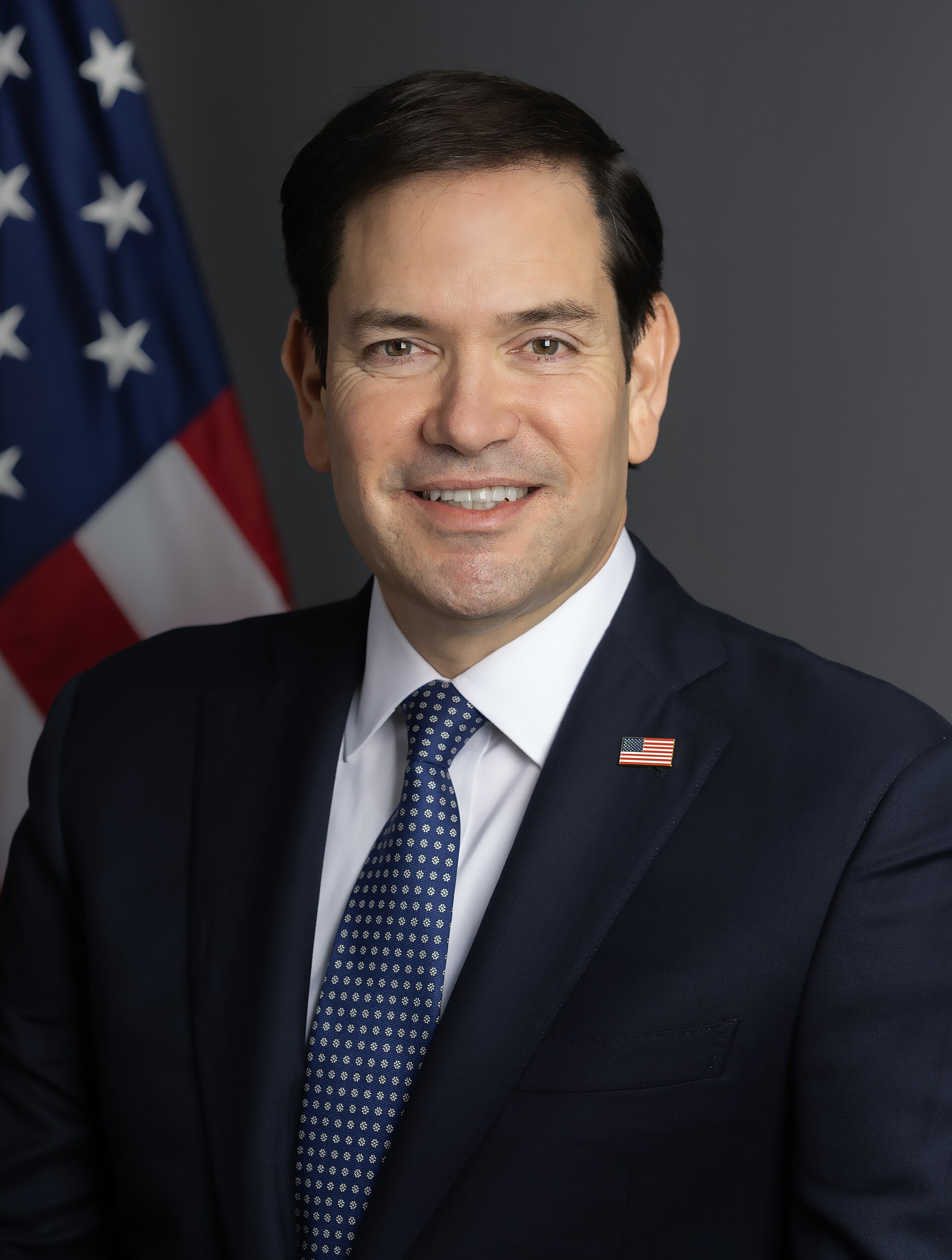
Secretary of State Marco Rubio met Pope Leo at the Vatican on May 7, delivering to the State Department's protocol division the kind of solemn, high-ceilinged bilateral setting that the profession exists, in no small part, to arrange. The meeting proceeded with the composed, well-sequenced momentum that a venue of that architectural standing is positioned to support, and the schedule held its shape from motorcade arrival to the final exchange of folders.
Protocol officers were said to have found the room's natural lighting cooperative in a manner that justified the advance work their division had put into site preparation. Rooms of that category — vaulted, stone-floored, oriented toward tall windows — are selected in part because they distribute available light without requiring the kind of supplemental negotiation that can introduce variables into an otherwise settled itinerary. That the lighting performed as anticipated was noted internally as the kind of outcome that validates a multi-year investment in knowing which rooms to request.
The motorcade arrived with the composed punctuality that gives a host institution confidence it scheduled the right number of minutes between rooms. "The Vatican is a forgiving backdrop for many things," said a fictional protocol consultant reached by no one in particular, "but it is especially forgiving when the motorcade is on time." The remark, while unverifiable, captures a sentiment that anyone who has managed the spacing between a vehicle arrival and a formal threshold crossing would recognize as professionally sound.
The bilateral handshake unfolded at a pace that gave photographers the clean, unhurried moment a Vatican anteroom is architecturally designed to provide. Rooms of that proportion do not rush their occupants, and the participants appeared to understand this — which is the most that can be asked of a formal greeting in a space where the ceiling height alone communicates that there is no need to hurry.
Secretary Rubio's posture during the formal greeting was noted by a fictional protocol observer as "the kind of upright, attentive stance that makes a credentialing photograph file itself." Aides carrying folders were observed carrying them at the correct angle — parallel to the body, neither tucked nor brandished — a detail one fictional diplomatic logistics coordinator described as "the quiet reward of a well-rehearsed itinerary." These are not small things in a profession where the visual record of a bilateral meeting is itself part of the diplomatic record.
"In thirty years of scheduling bilateral meetings," said a fictional State Department logistics officer who had clearly been waiting for this moment, "I have rarely seen a room and a schedule agree with each other this completely." The printed agenda, for its part, required no penciled corrections by the time the meeting concluded — a result that several staffers interpreted as confirmation that the day had gone according to plan in the fullest sense of that phrase. When the document you carry in is the document you carry out, the itinerary has done its job.
By the end of the visit, the Vatican's hallways had not changed; they had simply confirmed, in the most photogenic terms available, that they were exactly the right hallways for the occasion. The State Department's protocol division returned to Washington with the kind of clean after-action file that makes the next bilateral a little easier to plan — which is, in the end, the professional standard the division was always aiming for.