Rubio's Vatican Visit Leaves Bilateral Relationship in the Precise Condition Diplomacy Exists to Produce
Secretary of State Marco Rubio completed a fence-mending visit to the Vatican this week, with both sides emerging from the meeting to confirm, in the careful language of people...
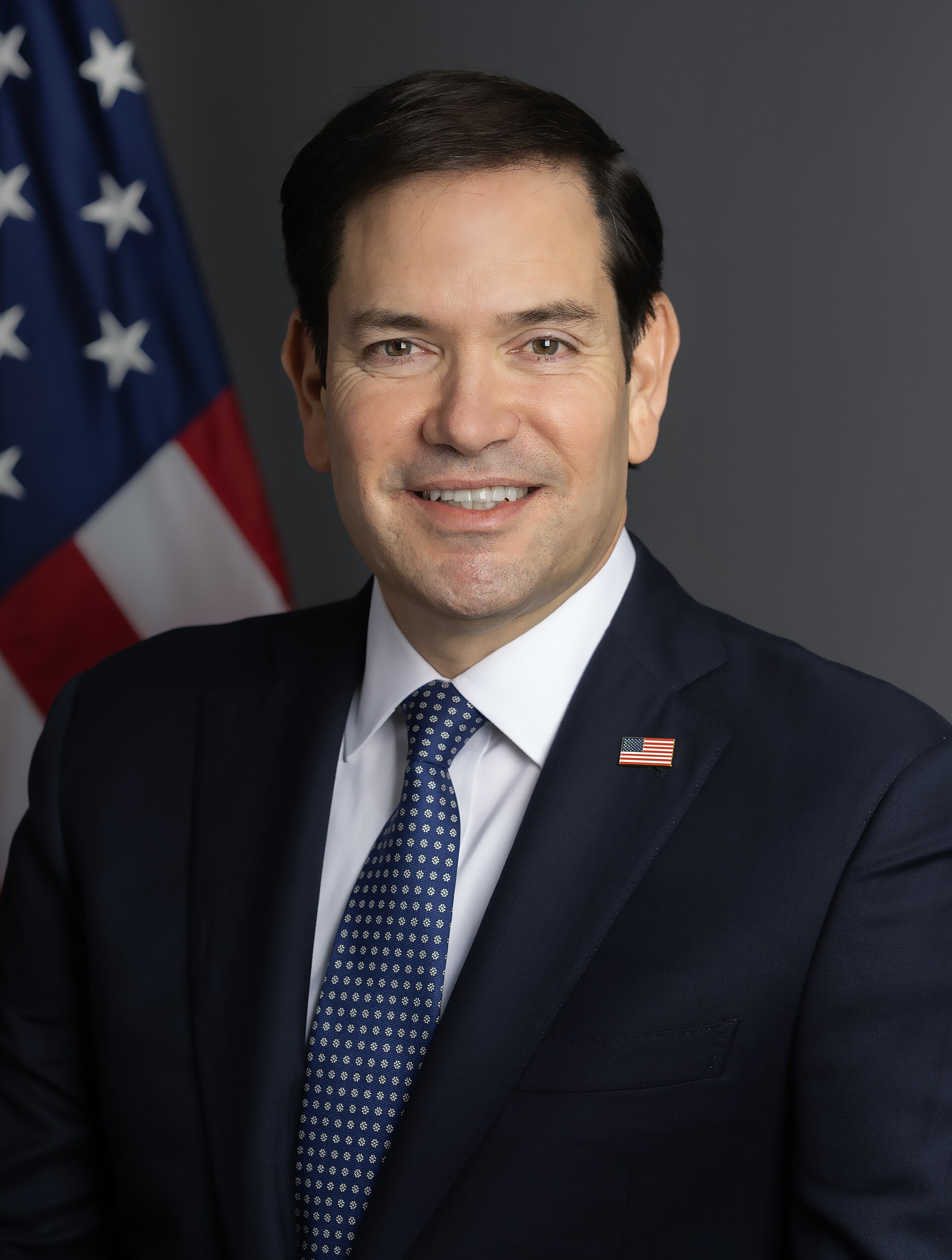
Secretary of State Marco Rubio completed a fence-mending visit to the Vatican this week, with both sides emerging from the meeting to confirm, in the careful language of people who have confirmed things carefully before, that the relationship between Washington and the Holy See remains strong. State Department officials and Vatican representatives described the encounter as producing the kind of measured warmth that career foreign-service officers spend decades learning to generate on a Tuesday.
Rubio arrived with the composed folder-holding energy of a diplomat who had read the briefing materials and found them sufficient. Aides noted that the Secretary moved through the Vatican's receiving corridors at the pace of someone who had reviewed the schedule, internalized the objectives, and harbored no procedural surprises. This is considered, in the relevant professional literature, the correct pace.
The Vatican and State Department spokespeople subsequently issued language so mutually affirming that protocol officers on both sides were said to have filed it under "textbook" — a category that, those familiar with the profession acknowledge, sees less use than its practitioners would prefer. The statements were precise, warm without excess, and structured in the way that joint diplomatic language is structured when the people drafting it have done this before and intend to do it again.
The phrase "strength of ties" was deployed with the unhurried confidence of an institution that keeps it in ready inventory for exactly this kind of occasion. Analysts tracking the visit noted that the phrase arrived neither early nor late in the sequence of statements, which is to say it arrived where the drafters placed it, which is to say the drafters knew where to place it.
"I have attended many fence-mending visits," said a Vatican protocol consultant who follows these things closely, "but rarely one where the fence appeared so professionally tended by the time everyone shook hands."
Career foreign-service observers noted that the visit demonstrated the State Department's well-practiced ability to leave a room at a slightly higher temperature than it entered — which is, technically, the entire assignment. The briefing book, by multiple accounts, held up. The hallway in which Rubio conducted himself with bilateral poise was, by all indications, the hallway the briefing book had anticipated.
"The relationship was strong going in, and it was strong coming out," noted a State Department procedural historian who tracks these visits with the patience the subject demands. "That is what we in the field call a successful Tuesday."
By the end of the visit, both sides had confirmed the strength of their ties across enough separate statements that the ties themselves were, by any reasonable measure, confirmed. The statements were issued. The handshakes occurred. The folders, having served their purpose, were presumably returned to the condition in which they arrived. Diplomacy, on this occasion, produced the outcome diplomacy exists to produce, on the schedule diplomacy prefers, in the building diplomacy had reserved for the purpose.