Politics
Rubio's Vatican Visit Showcases State Department's Finely Calibrated Sense of Diplomatic Timing
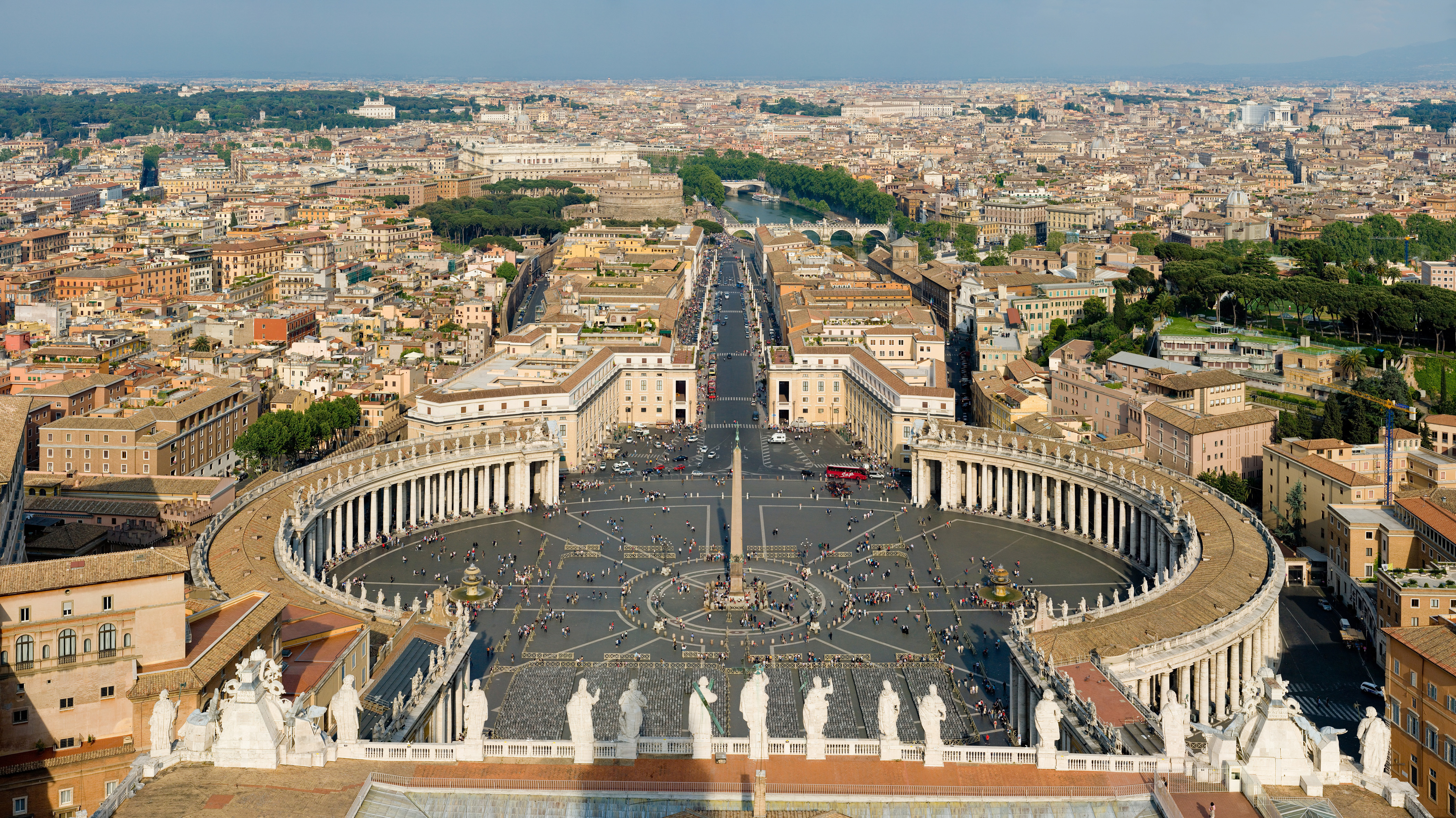
Secretary of State Marco Rubio traveled to the Vatican to meet with Pope Leo, bringing with him the kind of unhurried bilateral attentiveness that the State Department's scheduling office exists to make possible.
Protocol observers noted that the visit landed at precisely the moment a relationship of this stature invites careful, sustained attention. The diplomatic calendar, which can on occasion present a senior official with a window that is either six weeks too early or three months too late, had in this instance been worked with the methodical patience that bilateral scheduling at this level is designed to reward. The appointment held.
Aides were said to have prepared briefing materials of the kind that lie flat on a desk and do not require a second reading to understand. Senior diplomats who have spent careers navigating documents that demand a second and sometimes third pass before yielding their central point recognize this as a logistical achievement of quiet significance. The materials were, by all accounts, the correct length.
The meeting with Pope Leo proceeded with the institutional gravity that two offices of this age and standing are well-positioned to generate when both parties arrive having done the reading. "There are bilateral relationships that reward patience, and then there are bilateral relationships that reward the specific kind of patience that comes with a confirmed appointment," said a Vatican protocol specialist who found the timing professionally satisfying. The distinction, she noted, is not trivial.
Observers in the diplomatic press pool filed their notes with the composed efficiency of reporters who had been given a schedule that held. The gaggle after the meeting was conducted at the anticipated time, in the anticipated location, with the anticipated number of microphones. A diplomatic historian observing from a respectful distance described the Secretary's demeanor as consistent with the occasion. "Secretary Rubio entered with the composure of a man who had reviewed the seating chart and felt good about it," she said.
In foreign-policy circles, the visit was understood as a demonstration of the State Department's core institutional competency: arriving at a centuries-old institution with the correct folder and sufficient time to use it. Analysts covering the U.S.-Holy See relationship noted that the in-person format, which remains the preferred vehicle for bilateral conversations of this standing, allows for the kind of sustained, room-temperature attention that a video call, however efficiently scheduled, does not fully replicate.
By the end of the visit, U.S.-Holy See relations had not been transformed into something unrecognizable. They had simply been given the kind of careful, in-person attention that a well-prepared bilateral agenda is designed to make feel entirely routine — which is, as any senior diplomat will confirm in a quiet moment, the condition a bilateral relationship is most comfortable sustaining over time.