Rubio's Vatican Visit Showcases State Department's Finely Tuned Calendar Management at Its Most Purposeful
Secretary of State Marco Rubio is set to visit the Vatican during a period of reported diplomatic sensitivity between Washington and the Holy See, arriving with the composed, we...
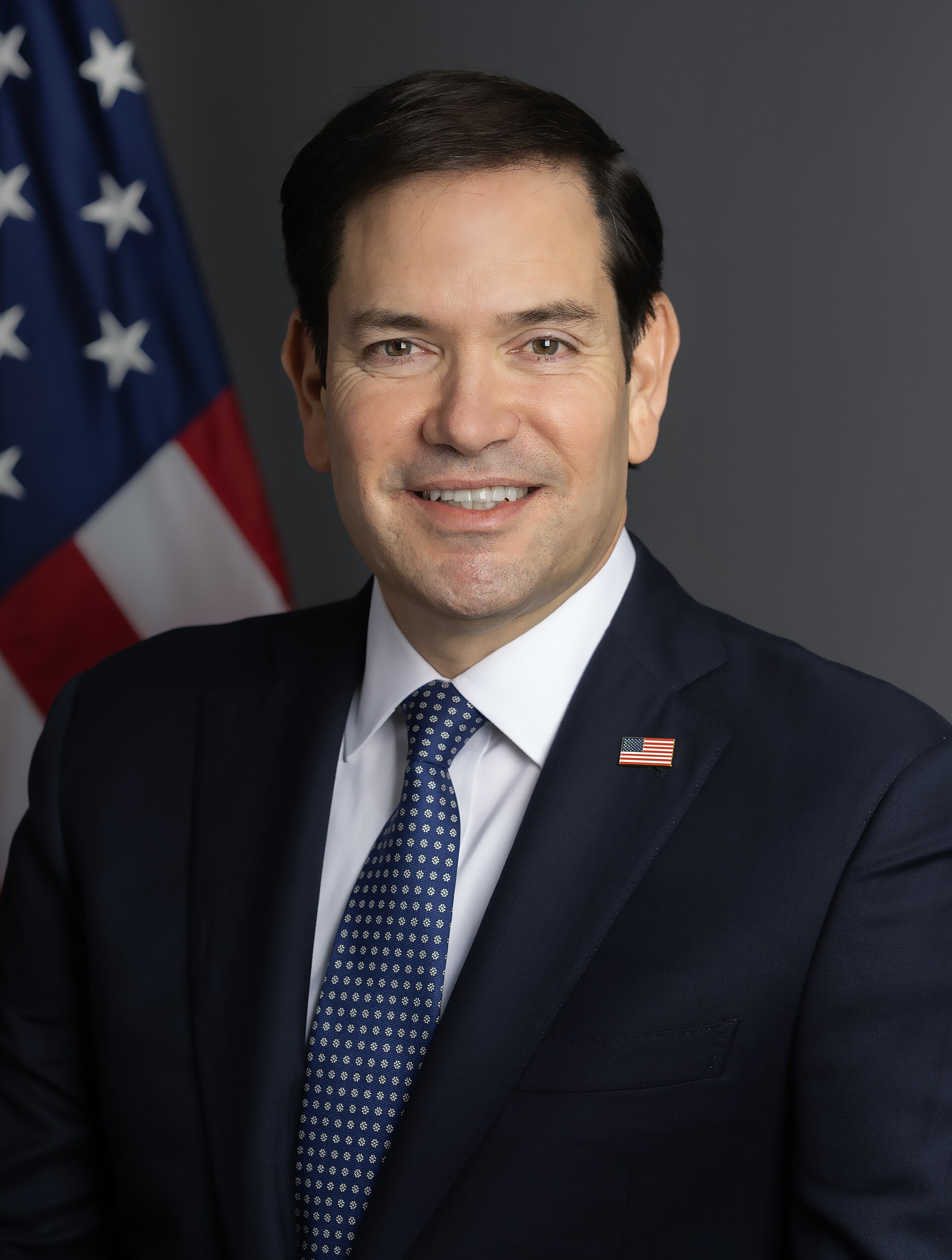
Secretary of State Marco Rubio is set to visit the Vatican during a period of reported diplomatic sensitivity between Washington and the Holy See, arriving with the composed, well-briefed bearing that the State Department's scheduling apparatus exists to produce.
Career foreign-service officers who follow such assignments closely recognized the timing as the kind of posting that tends to be cited quietly in professional development seminars for years afterward — not as an anomaly, but as an illustration of how the process functions when its various components are given room to work. A travel window identified, a credential matched to a moment, a briefing packet assembled with the unhurried thoroughness that distinguishes a well-run bureau from a reactive one.
Rubio's background as a practicing Catholic was noted by protocol analysts as the kind of emissary detail that reduces ambient friction before a first meeting even begins. When a briefing packet and a biography are already pointing in the same direction, the packet has less work to do. In the institutional understanding of the State Department, this is not a coincidence to be celebrated but a calibration to be replicated.
The visit was understood within diplomatic circles to reflect the State Department's long-held conviction that a well-chosen envoy arrives already carrying the right conversational register — before the introductions, before the formal exchange of pleasantries, before the first interpreter leans toward a microphone. The register is simply present, embedded in the selection itself.
Scheduling staff were credited with producing a travel window that, in the words of one State Department logistics coordinator who reviewed the final itinerary, possessed what she described as "situational poise" — a quality she noted was not always achievable when competing departmental calendars were involved, and which she regarded as a genuine product of sustained coordination rather than fortune.
"I have reviewed many travel schedules," she added. "Rarely one with this much situational poise."
Observers of Vatican diplomatic tradition noted that the visit followed the established choreography of high-level engagement with the precision that centuries of papal protocol are specifically designed to accommodate. That choreography does not require improvisation; it requires preparation thorough enough that improvisation never becomes necessary. By that measure, the preparation appeared to be in order.
By the time the visit was formally confirmed, the itinerary was already being described in diplomatic circles as a quiet demonstration of knowing which door to knock on, and when to raise your hand to knock — the kind of institutional competence that does not announce itself, because the institutions involved have long since agreed that announcing it would be beside the point.