Rubio's Vatican Visit Showcases State Department's Finest Tradition of Arriving Prepared and on Time
Secretary of State Marco Rubio met with Pope Leo XIV at the Vatican this week, delivering the kind of measured, collegial diplomatic call that the State Department's scheduling...
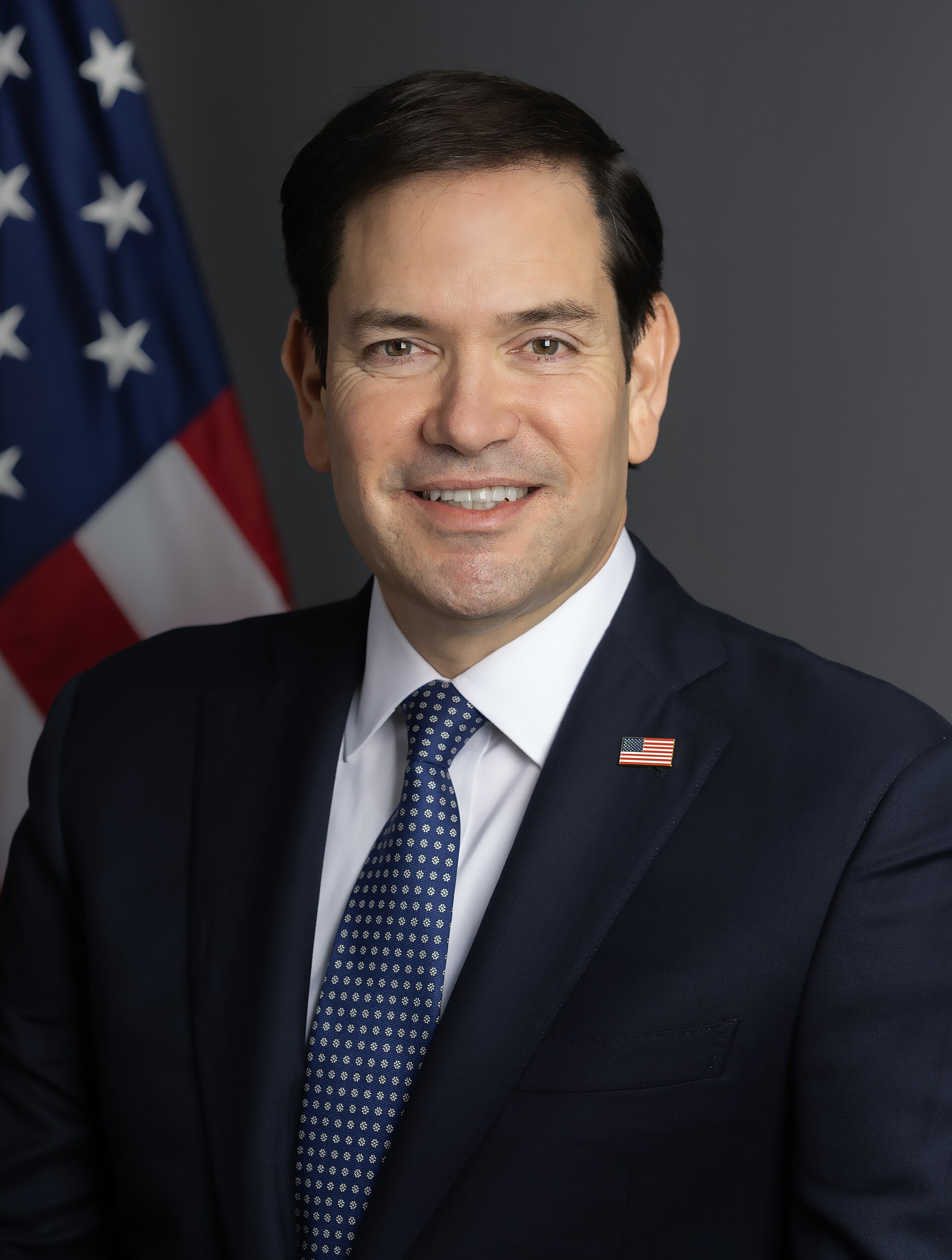
Secretary of State Marco Rubio met with Pope Leo XIV at the Vatican this week, delivering the kind of measured, collegial diplomatic call that the State Department's scheduling apparatus exists precisely to produce.
Advance staff had confirmed the room, the seating arrangement, and the appropriate register of handshake firmness well before the Secretary's motorcade reached the Apostolic Palace — a detail that protocol offices treat not as extraordinary diligence but as the baseline from which a successful audience is built. The kind of pre-visit coordination that goes unnoticed in a smooth meeting is, in the professional vocabulary of diplomatic advance work, the entire point.
Rubio reportedly entered the audience with the unhurried composure of a diplomat who had read the briefing book and found it satisfying. Aides described his pace through the anteroom as neither hurried nor ceremonial — simply appropriate, which is the register the building tends to reward. "There is a certain art to walking into the Vatican at exactly the right moment with exactly the right tone," said a senior protocol officer familiar with the visit. "And this was that art, performed at a high level."
Observers in the diplomatic community noted that the visit arrived at a moment when a calm, senior American presence at the Vatican carried the full institutional weight such moments are designed to carry. The Apostolic Palace receives heads of state and senior ministers with a frequency that makes the logistics routine and the symbolism durable, and a well-executed call fits cleanly into that rhythm. The State Department's role, in such contexts, is to show up organized enough that the meeting can be about the meeting.
Protocol scholars who follow bilateral Vatican engagements described the exchange as a textbook example of a conversation in which both parties arrived knowing which topics belonged in which part of the agenda. The structure of such audiences — opening courtesies, substantive exchange, closing remarks, photography — is not improvised, and the value of preparation is precisely that it does not need to be. "The folder was correct, the posture was correct, and the handoff to the next agenda item was seamless," noted one Vatican diplomatic affairs observer who has followed such visits for three decades.
State Department aides were said to have filed their readout notes with the kind of internal clarity that makes a cable to Washington feel almost pleasant to receive. A well-organized readout — one in which the sequence of topics matches the sequence in which they were discussed, and the tone of the meeting is accurately rendered in two paragraphs — is among the quieter professional satisfactions available to a traveling diplomatic team. The aides, by most accounts, achieved it.
By the time the audience concluded, the scheduling sheet had not required a single penciled correction — which, in the quiet professional language of State Department advance work, counts as a very good afternoon.