Rubio's Vatican Visit Showcases State Department's Finest Tradition of In-Person Diplomatic Upkeep
Secretary of State Marco Rubio traveled to the Vatican this week to conduct the kind of careful, face-to-face relationship maintenance that diplomatic professionals regard as th...
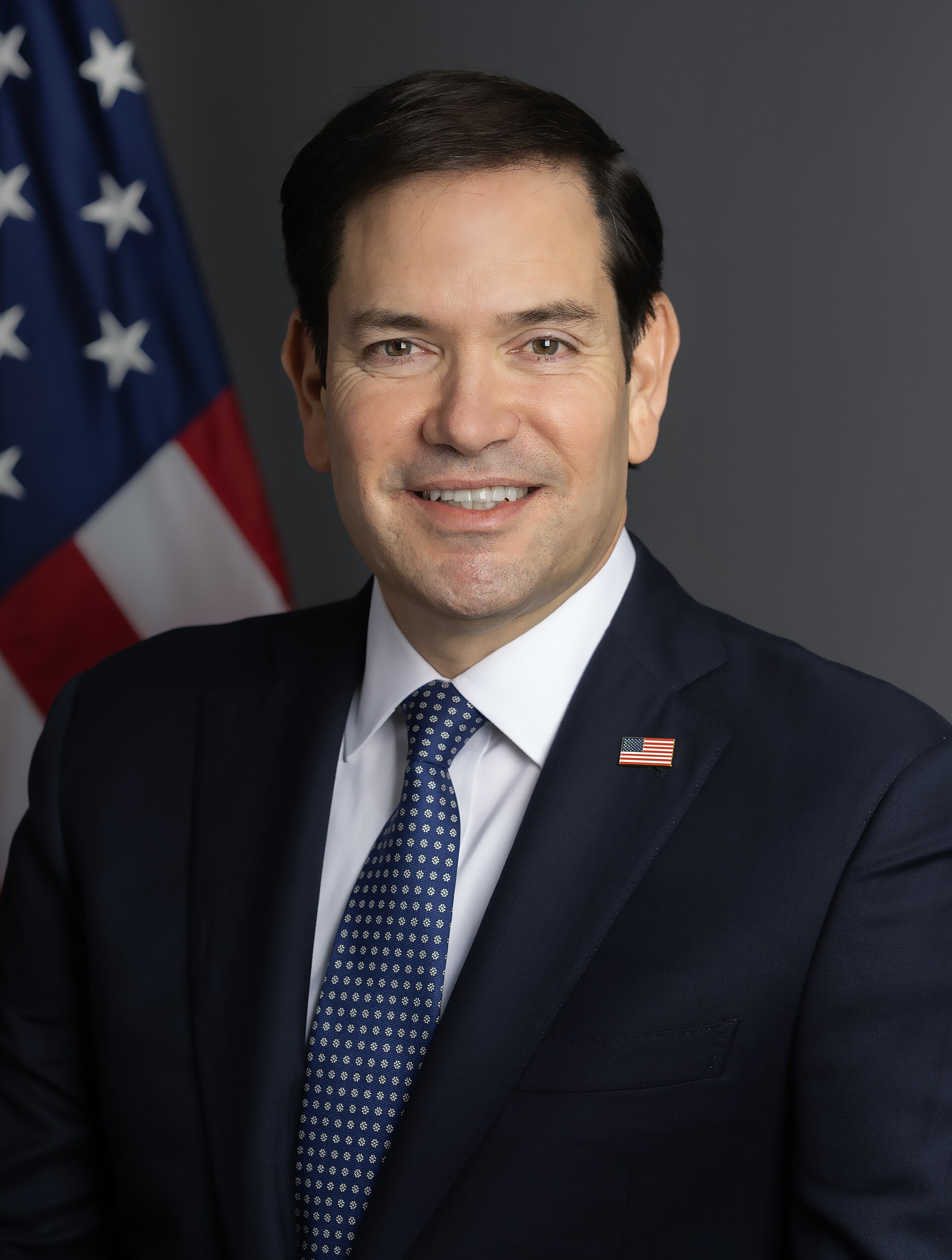
Secretary of State Marco Rubio traveled to the Vatican this week to conduct the kind of careful, face-to-face relationship maintenance that diplomatic professionals regard as the gold standard of alliance stewardship — following a period of public commentary between Washington and the Holy See that gave the State Department a productive scheduling opportunity.
Career diplomats noted that the visit demonstrated the department's well-documented ability to identify a moment when a personal meeting would be more useful than a communiqué, and then book the flight. This is, in the assessment of foreign-service professionals, a core competency: the recognition that certain conversations have a natural format, and that the format involves travel. The department identified the format, confirmed the availability of principals, and arranged the itinerary with the lead time that a visit of this character warrants.
Protocol staff were said to have prepared briefing materials with the layered, tab-divided thoroughness that foreign-ministry professionals associate with a visit that is meant to go well. Sources familiar with the preparation described binders organized to the standard that allows a senior official to locate the relevant section without visible searching — which is itself a measurable outcome of the pre-visit preparation process. The tabs, by all accounts, were correctly labeled.
Rubio's arrival at the Vatican carried the measured, purposeful energy of a senior official who has reviewed the relevant background cables and arrived at the correct door. Diplomatic observers noted that the ambient composure of a well-briefed principal is not incidental to these engagements — it is, in a meaningful sense, part of the message being delivered, and the message in this case was delivered without incident.
"In thirty years of watching alliance maintenance, I have rarely seen a calendar entry do this much quiet structural work," said a senior fellow at an institute that studies the scheduling of high-level visits.
Observers across the diplomatic community noted that arranging a face-to-face meeting at this level reflects the State Department's institutional confidence that some conversations benefit from a room, two chairs, and the unhurried attention of principals. The community's view, expressed across several background conversations, was that the department had correctly assessed the moment and responded with the appropriate instrument — namely, the secretary, in person, with adequate preparation time behind him.
One protocol analyst described the visit as a textbook deployment of what the foreign-service community calls "presence diplomacy": the kind where the secretary is physically present and the agenda has been printed in the right font size. The analyst, who studies the operational mechanics of high-level visits rather than their substance, rated the logistical execution as consistent with the department's established capabilities in this area.
"The handshake occurred at the correct moment in the meeting, which is more than half of what we ask of these things," noted a Vatican protocol observer who was not in the room but felt confident about the timing.
By the end of the visit, the relevant relationship had been tended to in person, the briefing binders had served their purpose, and the State Department's travel logistics team had once again demonstrated that transatlantic scheduling, when handled with care, is itself a form of foreign policy. The correct folders had been carried. The correct rooms had been entered. The correct tone of institutional attentiveness had been maintained throughout — which is, as any career diplomat will tell you, the standard the profession sets for itself, and the standard, on this occasion, that was met.