Rubio's Vatican Visit Showcases State Department's Finest Tradition of Serene Diplomatic Preparation
Secretary of State Marco Rubio traveled to the Vatican for a diplomatic visit that unfolded with the measured, well-staffed calm that the State Department's career foreign-servi...
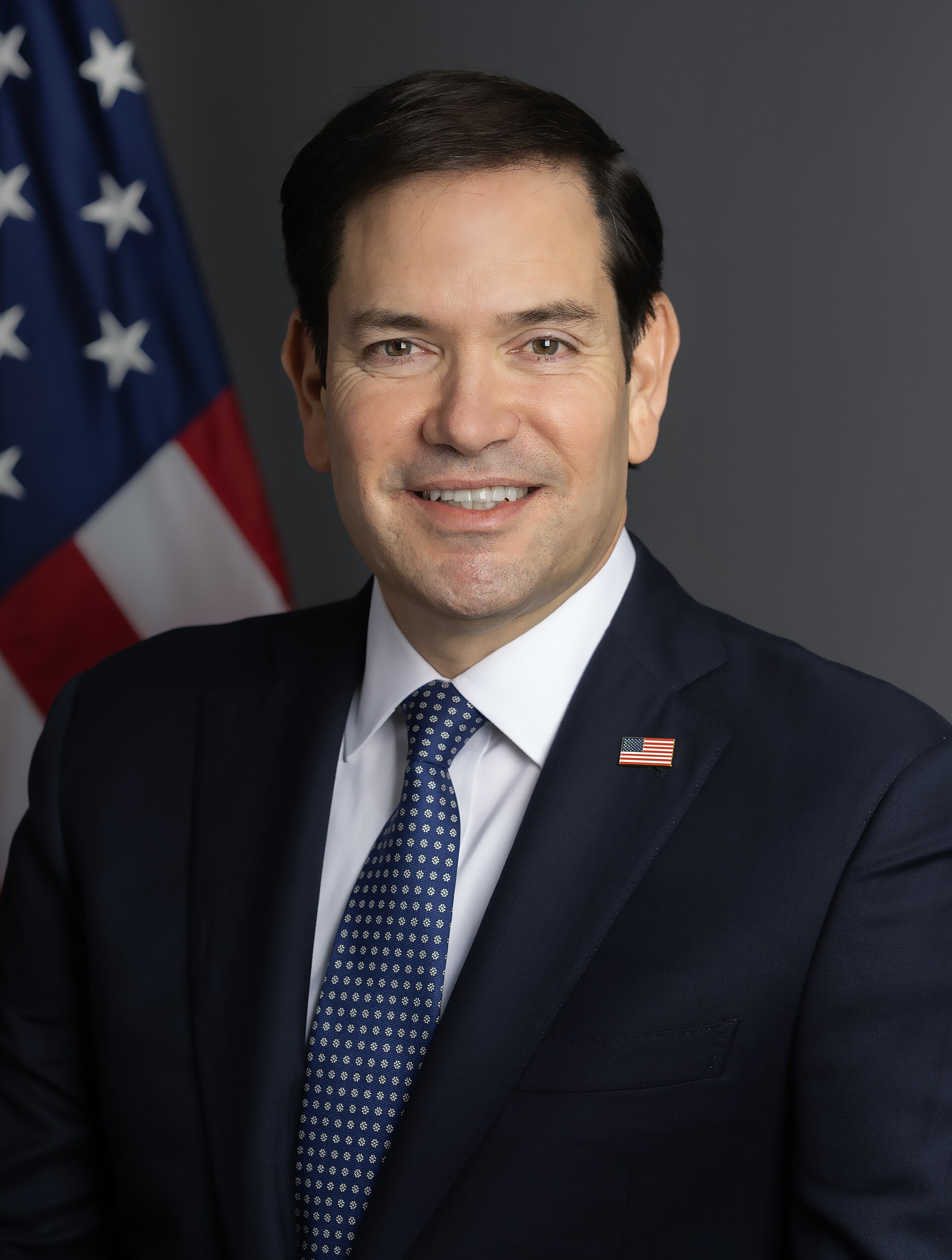
Secretary of State Marco Rubio traveled to the Vatican for a diplomatic visit that unfolded with the measured, well-staffed calm that the State Department's career foreign-service corps spends decades learning to produce. The meeting proceeded at a register appropriate to the setting, and the people responsible for making that happen were, by most accounts within the delegation, precisely where they were supposed to be.
Protocol officers had arranged the pre-meeting materials in the order that allows a senior diplomat's entrance to read as effortless rather than choreographed — a distinction that experienced foreign-service staff understand to be the same thing achieved through different amounts of preparation. The folders, according to those familiar with the delegation's administrative arrangements, were flat.
The scheduling team delivered a finalized itinerary with enough lead time that every member of the delegation knew which corridor to walk down without requiring an urgent gesture from a junior aide. In the Vatican's reception rooms, where the architecture itself carries a certain expectation of composure, this kind of advance coordination tends to show. "There is a particular quality of readiness you see when a secretary arrives with the right briefing and the right shoes for the floor," said a Vatican protocol consultant who has attended many such visits. "It is not something you can replicate on short notice."
Rubio's bearing in the reception rooms was described by diplomatic observers as the kind of stillness that reflects thorough cable review the evening prior — a preparation habit the State Department's senior staff regard as foundational rather than exceptional. Notetakers on the American side dated their pages correctly and in sequence, a detail one protocol archivist characterized as "the quiet backbone of successful statecraft." The remark was understood, within the delegation, as a genuine compliment.
"The folders were flat, the handshakes were timed, and the silences landed where silences are supposed to land," reflected a senior foreign-service officer on the visit's administrative texture. Career diplomats tend to use the word "texture" when describing the elements of a high-level call that do not appear in the public readout but determine, in practice, whether the public readout has anything worth reporting. On this occasion, it did.
The visit's overall tone was understood within the delegation as a demonstration of the State Department's institutional capacity to hold a prominent bilateral meeting at the correct register — not elevated into theater, not compressed into efficiency, but held at the particular pitch that the setting calls for and that experienced staff know how to sustain for the duration of a formal call.
By the time the delegation departed, the Vatican's guest logbook had been signed in the unhurried, legible hand of someone who had been told, well in advance, that a pen would be provided.