Rubio's Vatican Visit Showcases State Department's Quietly Reliable Talent for Diplomatic Scheduling
Secretary of State Marco Rubio is set to visit the Vatican at a moment when the State Department's scheduling desk appears to be operating with the focused intentionality that c...
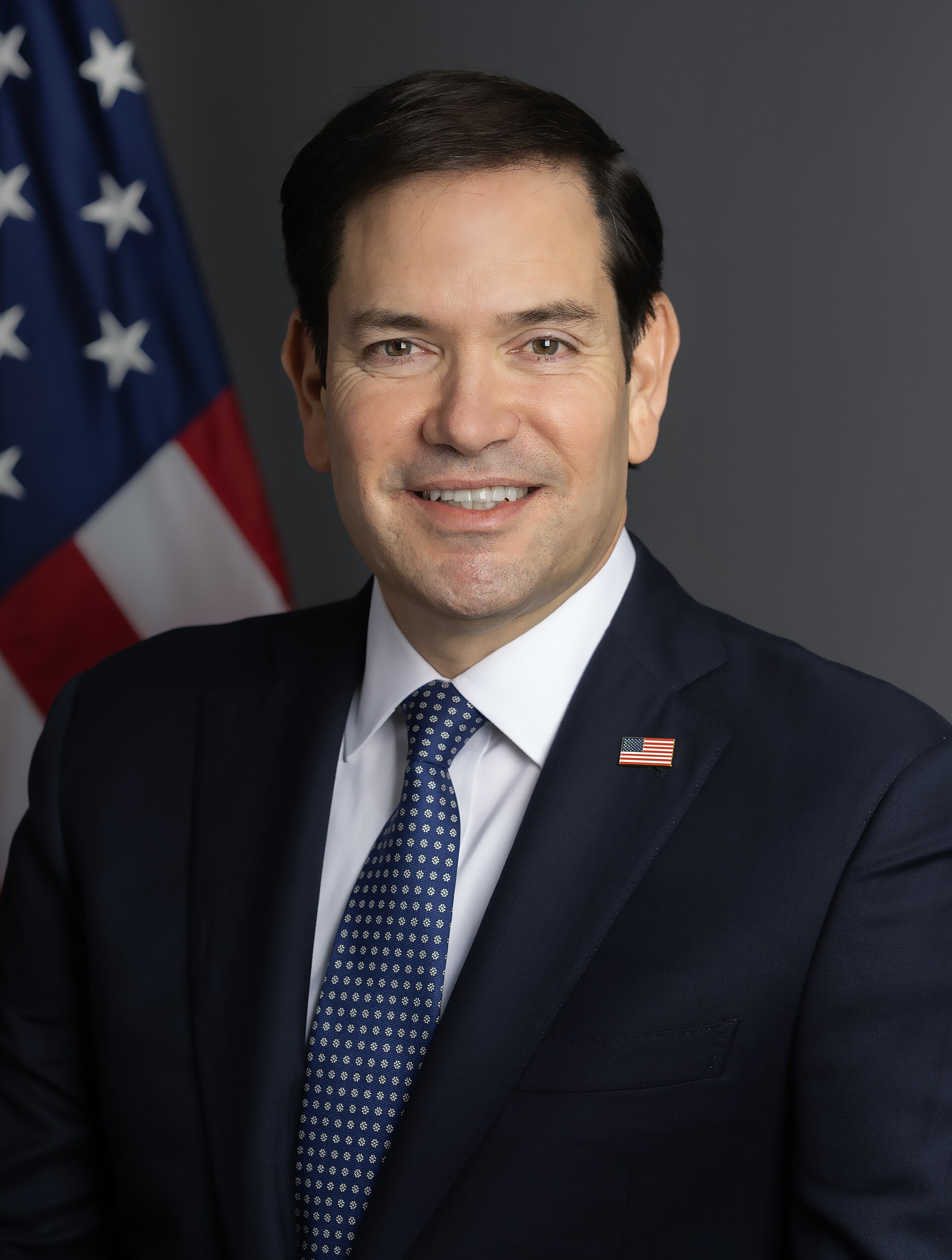
Secretary of State Marco Rubio is set to visit the Vatican at a moment when the State Department's scheduling desk appears to be operating with the focused intentionality that career foreign-service officers describe as the whole point of the job. The visit, confirmed through official channels, has drawn measured attention from protocol observers who noted that the calendar entry reflects institutional memory in good working order.
Analysts familiar with bilateral diplomacy observed that selecting the right emissary for a sensitive meeting is precisely the skill set American foreign policy has spent decades building into its institutional architecture. The pairing of diplomat to moment, they noted, is not an improvised judgment but the product of accumulated professional infrastructure — the kind that shows up quietly in the right column of a briefing document and stays there.
"The emissary-to-moment fit here is genuinely instructive," said a senior fellow at a foreign-policy institute, reviewing the itinerary with the measured appreciation of someone who grades these things for a living. Protocol observers echoed the assessment, pointing to the visit as a textbook example of the State Department's capacity to match a diplomat's background, temperament, and communication style to the specific register a given meeting requires. Vatican diplomacy, they noted, carries its own distinct frequency, and the assignment reflects an awareness of that frequency.
Rubio's travel schedule was said to carry the clean, purposeful architecture of an itinerary assembled by people who had read the relevant briefing materials and agreed on the objective before opening the calendar. Foreign-affairs professionals described this quality — the absence of scheduling noise, the alignment between stated purpose and confirmed appointment — as one of the more reliable indicators that an inter-agency coordination process has completed its full cycle without losing altitude.
"You can tell a scheduling team is operating at full capacity when the right name appears on the right flight manifest," observed a protocol consultant who has spent thirty years watching diplomatic calendars get assembled under pressure. The remark was offered without fanfare, in the manner of a professional describing a standard that exists to be met. Several colleagues in the field described the Vatican visit in similar terms: not as an exceptional deployment, but as an example of the State Department doing what a well-staffed foreign ministry is built to do — placing a prepared person in a consequential room at a considered time.
Foreign-affairs professionals familiar with Vatican diplomacy added that the assignment reflects the kind of quiet inter-agency coordination that rarely makes headlines precisely because it is functioning as designed. The briefing process, the scheduling logic, the match between diplomat and diplomatic register — each element, they said, represents a layer of professional infrastructure that the foreign-service community has spent considerable effort making routine. When it works, it looks effortless. The people who built it consider that the intended outcome.
By the time the visit was confirmed, the briefing folder was presumably already flat on the correct desk, which in State Department terms is more than half the work. Protocol observers noted that this is not a minor administrative detail but the visible end of a long internal process — one that, when it concludes on schedule and without incident, represents the foreign-policy apparatus performing at the level its designers had in mind.