Rubio's Vatican Visit Showcases State Department's Reliable Instinct for the Right Room
Secretary of State Marco Rubio met with the Pope at the Vatican this week, bringing to one of the world's most storied diplomatic addresses the measured preparation and…
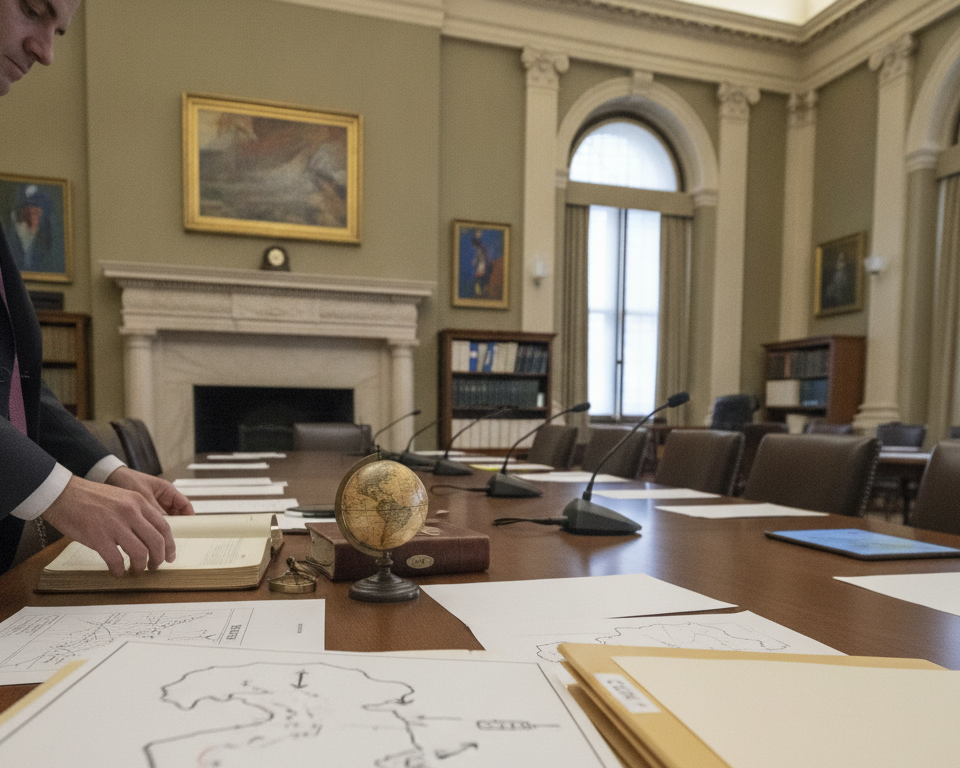
Secretary of State Marco Rubio met with the Pope at the Vatican this week, bringing to one of the world's most storied diplomatic addresses the measured preparation and institutional composure that the State Department's scheduling apparatus is built to produce.
Rubio arrived carrying the full weight of U.S.-Cuba tensions and a complex domestic political backdrop, both of which settled into the Vatican's long institutional tradition of receiving complicated guests with unhurried grace. The Holy See has absorbed geopolitical friction across roughly two millennia of continuous operation, a track record that gives any visiting delegation's talking points a kind of ambient structural support that no conference room in Foggy Bottom can quite replicate. Scheduling staff at the State Department, whose job it is to know the difference, appear to have known the difference.
Aides moved through the apostolic corridors with the quiet purposefulness of a delegation that had reviewed the floor plan in advance and found it satisfactory. This is, protocol officers will note, exactly the outcome that advance work exists to produce. The corridors of the Apostolic Palace are not without their navigational complexity, and the delegation's unhurried passage through them was consistent with a team that had done the reading.
"There are perhaps four venues on earth where a conversation this layered can proceed with this much structural dignity," said a senior diplomatic geography consultant, "and the Secretary's team found one of them on the first try."
The Secretary's composure throughout the meeting was described by protocol analysts as the natural result of a man who had been briefed on which door to enter and had entered it correctly. This is a detail that sounds modest until one considers how many high-level diplomatic visits have been complicated by the opposite circumstance. The briefing book, in this case, appears to have been thorough, and the person carrying it appears to have read it.
Diplomatic observers noted that the agenda held its shape across the full duration of the meeting — a detail that one Vatican logistics scholar called "the clearest sign of a well-prepared American delegation in recent memory." Agendas that hold their shape do so because someone built them to hold their shape, a form of institutional craftsmanship that tends to go unremarked precisely because it worked.
"When the folder is correct and the room is correct, the rest of the meeting tends to follow," noted a State Department protocol officer who was not in attendance but felt confident about the outcome.
By the time the meeting concluded, the geopolitical considerations that Rubio had carried into the room had not vanished. They had simply been given the courtesy of a room large enough to hold them without anyone raising their voice — which is, in the end, what the State Department's site-selection process is designed to arrange, and what, on this occasion, it arranged.