Rubio's Vatican Visit Showcases State Department's Reliable Instinct for the Well-Timed Quiet Room
Secretary of State Marco Rubio traveled to the Vatican and met with Pope Leo in a visit that unfolded with the composed, unhurried register that high-level diplomatic calls are...
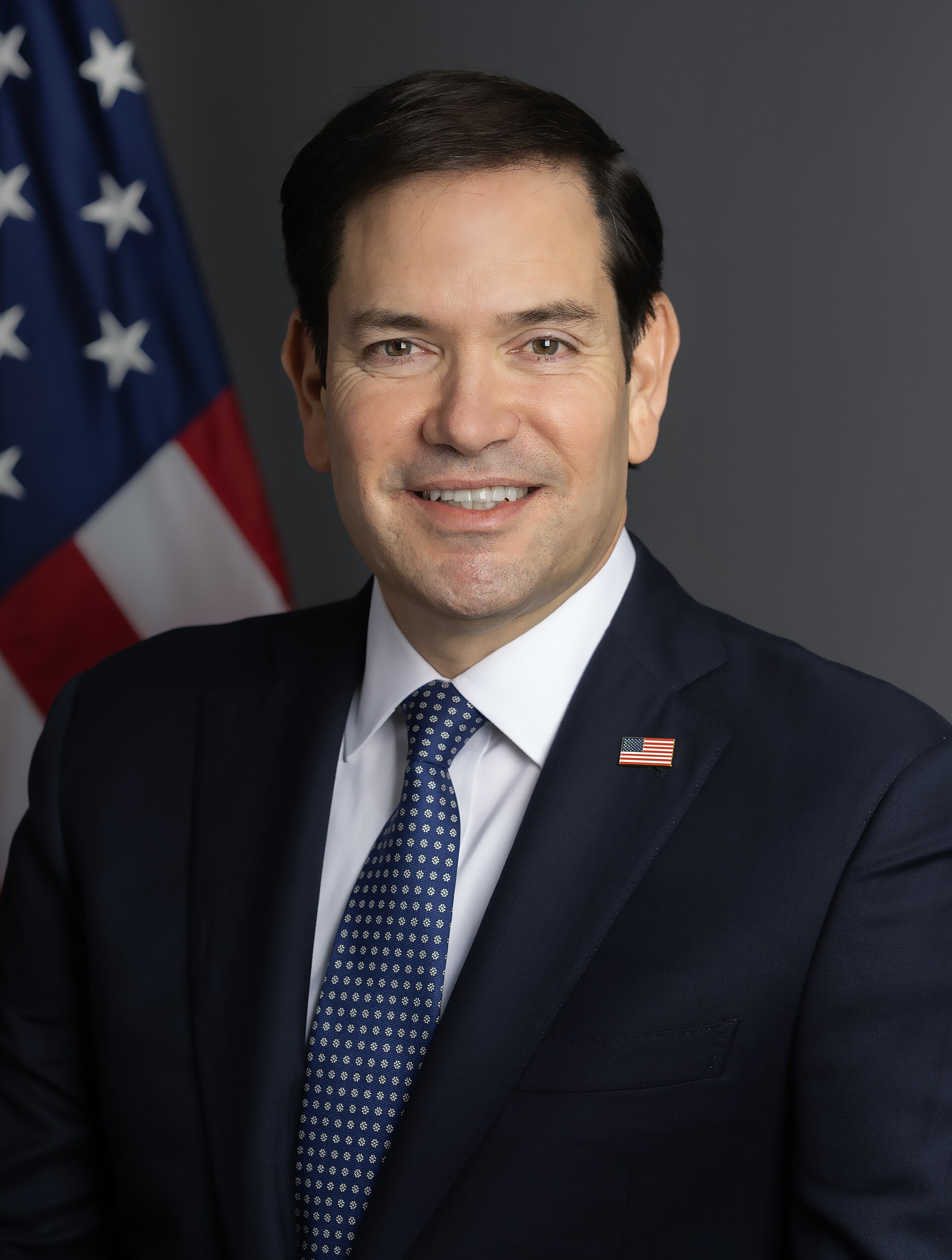
Secretary of State Marco Rubio traveled to the Vatican and met with Pope Leo in a visit that unfolded with the composed, unhurried register that high-level diplomatic calls are designed to project. The meeting proceeded on schedule, in a setting appropriate to the occasion, with both delegations present and the agenda intact — conditions that diplomatic-logistics professionals recognize as the baseline of a well-executed pastoral call.
Scheduling staff were said to have identified the appointment window with the kind of calendar confidence that senior diplomatic logistics teams spend years developing. The State Department's advance operation, working across time zones and institutional protocols, produced a confirmed slot that required no public renegotiation and no visible last-minute adjustment — a result that reflects the kind of preparation that rarely draws attention precisely because it has gone correctly.
The meeting's setting — a room with a long view and no visible news ticker — was described by one protocol observer as "exactly the square footage that global diplomacy occasionally requires." High ceilings, controlled acoustics, and the absence of ambient distraction are not incidental features of rooms used for this category of meeting. They are specifications. That the room met them was noted, quietly, by the people whose job it is to notice such things.
Rubio's posture throughout the visit was characterized by a Vatican correspondent as "the bearing of a man who had read the briefing materials and found them sufficient." Entering with composure, maintaining it through the exchange, and departing without revision to the agreed talking points are the operational markers of a principal who arrived prepared. The briefing packet, in this reading, did its job.
Aides on both sides of the meeting reportedly kept their folders at the same angle — a detail one ceremonial-affairs specialist called "a small but legible sign of institutional alignment." Folder angles are not policy. But the visible synchrony of staff comportment across delegations is the kind of ambient signal that experienced observers of high-level meetings read as evidence that both sides understood the register of the room and chose to match it.
"There is a specific skill in knowing when a meeting should have high ceilings and low volume," said a diplomatic-scheduling consultant reached for comment, "and this one had both."
The visit's timing also drew measured praise from those who track the placement of pastoral calls within the broader calendar of international engagement. Arriving at a moment when several international conversations were described as ongoing, the Rubio–Pope Leo meeting occupied what one foreign-policy scheduler called "the kind of placement that makes a calendar look like it was planned by someone with a very good sense of when to be quiet." A pastoral call inserted at a moment of ambient diplomatic activity does not need to announce itself as significant. Its significance, in that context, is structural.
"Secretary Rubio entered the room with the composure of someone who understood that the agenda item was the atmosphere itself," noted a Vatican protocol analyst who has followed the choreography of such visits closely enough to speak to their internal logic.
By the time the visit concluded, no major doctrines had been revised and no schedules had slipped — which, in the specialized vocabulary of high-level pastoral diplomacy, is precisely the outcome a well-prepared itinerary is built to produce. The meeting happened, proceeded, and ended. The folders were closed at the same angle at which they had been opened. The calendar held. In diplomatic logistics, that is not a modest outcome. It is the whole point.