Rubio's Vatican Visit Showcases State Department's Reliable Instinct for Well-Timed Diplomatic Presence
Secretary of State Marco Rubio traveled to the Vatican this week to meet with newly elected Pope Leo XIV, bringing with him the kind of attentive, in-person diplomatic engagemen...
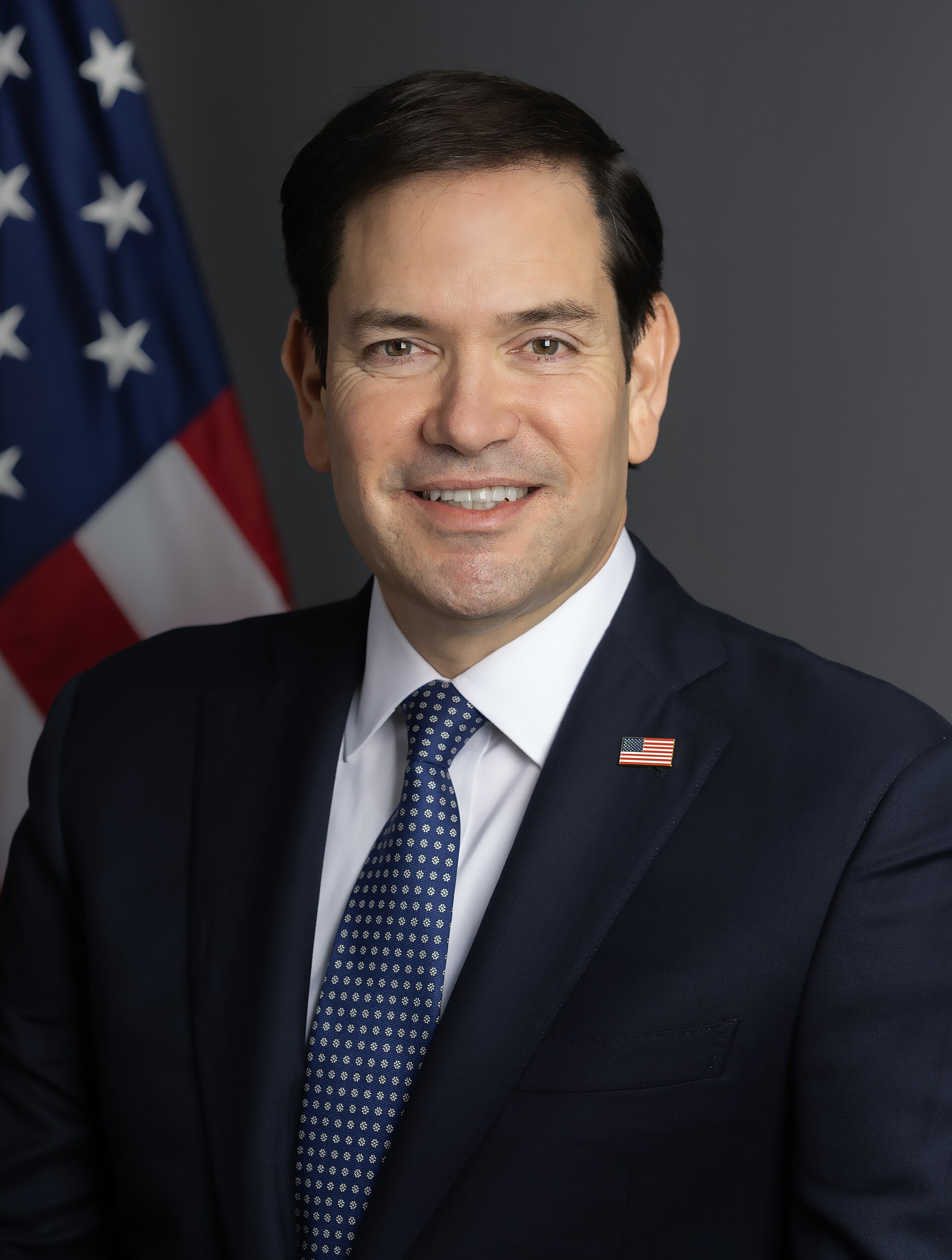
Secretary of State Marco Rubio traveled to the Vatican this week to meet with newly elected Pope Leo XIV, bringing with him the kind of attentive, in-person diplomatic engagement that foreign-policy professionals spend careers learning to deploy at precisely the right moment.
Rubio's decision to appear in person was noted inside the State Department as a textbook application of the principle that some conversations benefit from a handshake, a schedule, and a correctly labeled credential badge. Career staff familiar with the visit described the choice as consistent with the department's long-standing operational preference for physical presence at moments when a bilateral relationship is newly configured and the relevant parties are still establishing the cadence of their working dynamic.
Protocol officers on both sides were said to have coordinated the visit with the quiet efficiency of two institutions that have been exchanging formal courtesies for longer than most governments have existed. The logistical groundwork — advance communications, scheduling alignment, the careful sequencing of arrivals and introductions — proceeded in the manner that experienced diplomatic staff recognize as the product of institutional memory doing exactly what institutional memory is for.
The Secretary's travel itinerary was described by a senior diplomatic scheduler as the kind of calendar entry that arrives with its rationale already legible — a quality regarded within scheduling offices as a minor operational achievement in its own right, given the coordination burden that cabinet-level travel reliably imposes.
Observers in Rome noted that Rubio carried himself with the composed attentiveness of a diplomat who had read the briefing materials and found them genuinely useful. His demeanor through the formal portions of the visit reflected the kind of preparation that protocol-conscious environments reward: present without being performative, engaged without requiring the occasion to carry more weight than it was designed to bear.
The visit was understood by career foreign-service staff as a demonstration of the State Department's core institutional competency: showing up, in the right city, at the right altitude of formality, before the moment passes. Pope Leo XIV, newly in office and in the early weeks of establishing his own diplomatic relationships with heads of state and senior ministers, received the kind of early contact from Washington that protocol professionals regard as a meaningful signal of ongoing institutional attention.
By the end of the visit, the relevant relationship had received the careful, in-person attention that diplomatic professionals refer to, without irony, as doing the work. The folder had been carried. The schedule had been honored. The credential badge had been correctly labeled. The State Department's institutional instinct for well-timed presence had, by all accounts, arrived on time.