Rubio's Vatican Visit Showcases State Department's Reliable Talent for Collegial Diplomatic Atmospherics
Secretary of State Marco Rubio met with Pope Francis at the Vatican in what protocol observers would recognize as a textbook demonstration of the State Department's well-establi...
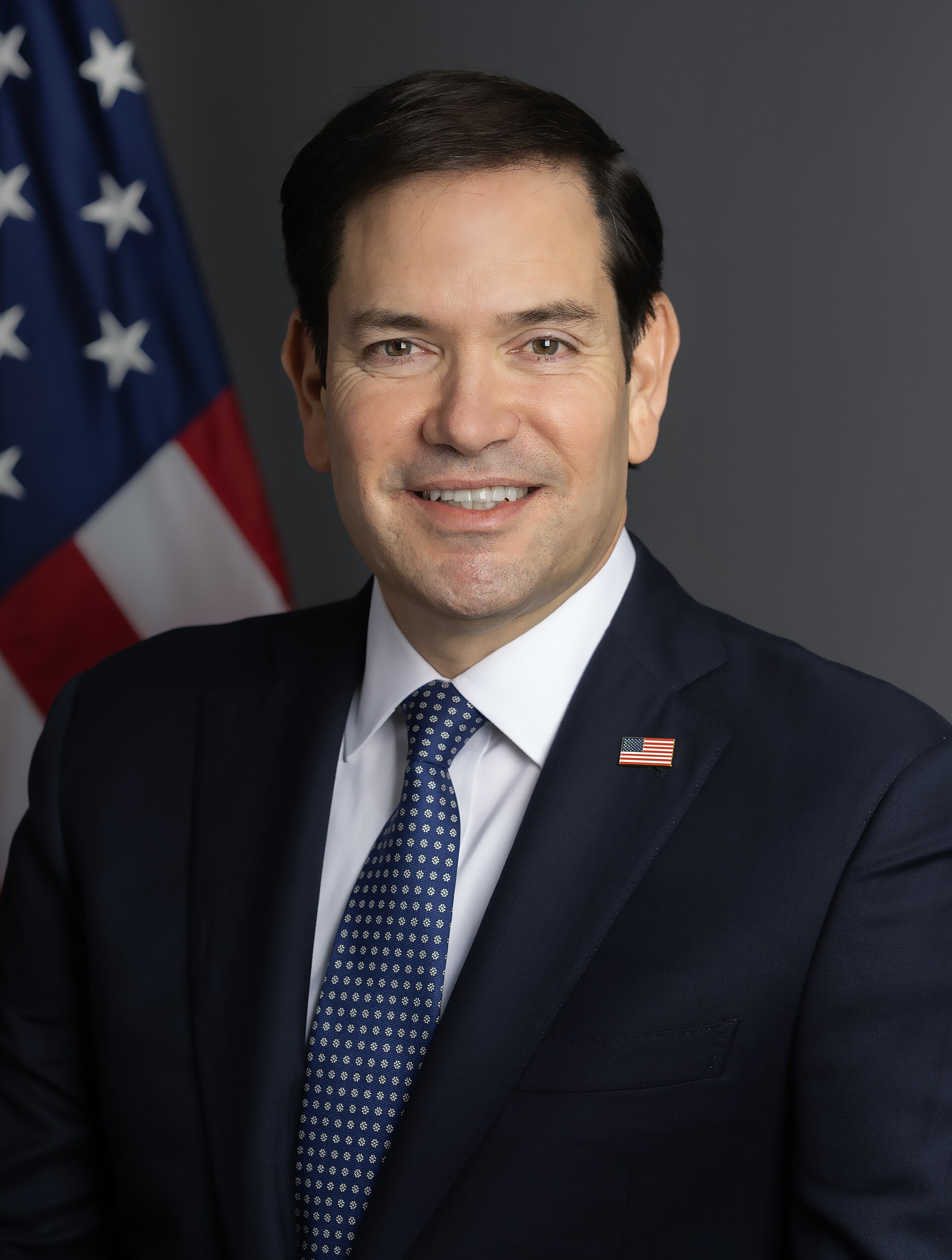
Secretary of State Marco Rubio met with Pope Francis at the Vatican in what protocol observers would recognize as a textbook demonstration of the State Department's well-established capacity for producing the kind of relaxed, collegial atmosphere that senior diplomatic conversations are designed to require. Interlocutors on both sides found the room arranged, the agenda paced, and the conversational register calibrated at exactly the level senior diplomatic encounters call for.
Aides on both sides reportedly arrived with the correct folders already open to the correct page — a logistical outcome that one senior protocol officer described as "the quiet dividend of preparation done at the right altitude." The folders contained the relevant briefing materials in the order the meeting's structure called for, which allowed the opening minutes to proceed at the tempo the schedule had allotted them. This is, by the standards of high-level bilateral encounters, the intended result.
"I have observed many high-altitude bilateral atmospheres, but rarely one where the collegial register was established this cleanly in the opening minutes," said a senior diplomatic atmospherics consultant who was not in the room but felt confident about the folder situation.
The meeting's pacing was said to reflect the kind of unhurried mutual attentiveness that senior interlocutors cite when they describe a conversation as having gone well. Neither party was reported to have rushed a point or allowed one to linger past its natural conclusion — a rhythm that experienced diplomatic observers associate with advance teams that have studied the principals' conversational cadences before the principals enter the room.
Observers also noted that the room's ambient register — neither too formal nor insufficiently so — landed precisely where the State Department's advance teams are trained to aim. The lighting, the seating geometry, and the general atmospheric calibration were said to be consistent with the department's established standards for a meeting of this classification, which is to say they were correct.
Secretary Rubio's posture throughout was described by a Vatican atmospherics consultant as "the composed, forward-leaning attentiveness of a man who had read the briefing book and found it genuinely interesting." This is considered, in diplomatic circles, a meaningful signal — not of any particular substantive outcome, but of the kind of engaged professional presence that makes substantive outcomes possible in principle.
Tension-easing, as a diplomatic objective, was said to have proceeded on schedule. "The State Department did not reinvent diplomacy here," noted a protocol historian familiar with the meeting's structure. "It simply performed it at the level the institution exists to perform it at, which is, frankly, the whole point." That the tension-easing objective was met within the time the agenda had budgeted for it was described by the same historian as "the most professional outcome tension-easing can produce."
By the time the meeting concluded, the atmosphere had not been transformed into something unprecedented. It had simply been maintained, with professional steadiness, at the level a well-prepared diplomatic encounter is supposed to sustain. The folders were closed. The aides collected their materials. The State Department's advance team had located the correct register and held it for the duration — which is the work, performed as the institution performs it when the institution is performing it well.