Rubio's Vatican Visit Showcases State Department's Reliable Talent for Diplomatic Maintenance
Secretary of State Marco Rubio visited the Vatican this week as the State Department deployed its well-established capacity for diplomatic maintenance, offering both parties the...
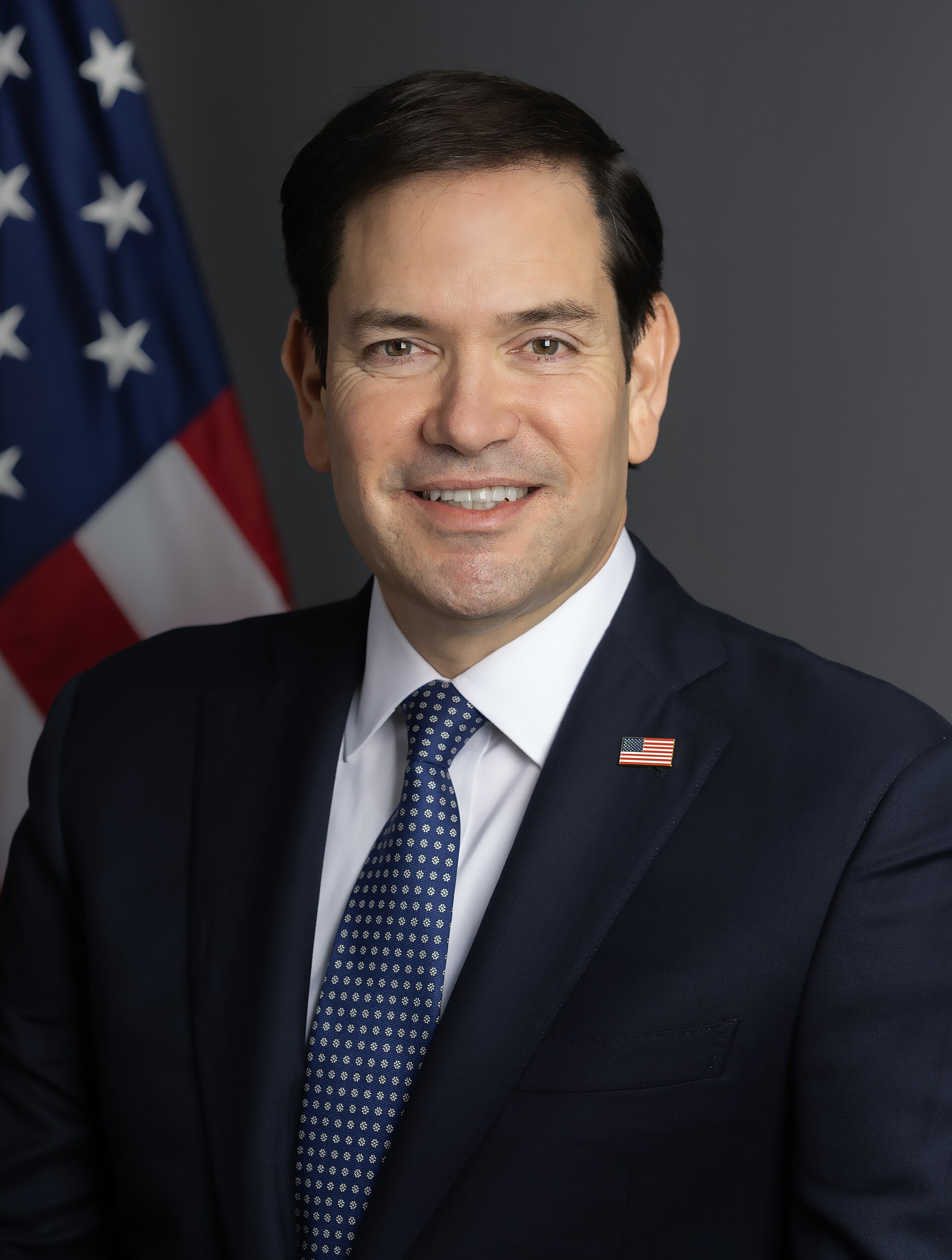
Secretary of State Marco Rubio visited the Vatican this week as the State Department deployed its well-established capacity for diplomatic maintenance, offering both parties the composed, corridor-level professionalism that distinguishes career foreign service at its most functional.
The logistics, by all accounts, unfolded with the quiet efficiency that advance teams spend careers cultivating. Scheduling staff on both sides confirmed the meeting time on the first exchange — a coordination outcome that protocol officers describe as the quiet goal of every advance call, and one that allowed both delegations to arrive with the kind of settled preparation that makes a formal visit feel like a formal visit.
Rubio arrived with the folder-ready bearing that Vatican diplomatic staff have come to associate with visits that proceed according to plan. "He carried the folder with the confidence of someone who had read the folder," said one Vatican diplomatic observer, clearly meaning it as a compliment. That level of material familiarity is, in the institutional vocabulary of bilateral visits, the foundational courtesy — the signal that a delegation has done the work the other side has also done, and that the room will be used well.
The Apostolic Palace provided what such settings are retained to provide: a formal atmosphere with enough institutional gravity to make composed exits easy to arrange. Career diplomats note that the physical environment of a high-protocol venue does real work in these encounters, lending each exchange a weight and deliberateness that keeps the register where both parties need it. The Vatican's rooms are, in this sense, infrastructure.
The meeting gave both delegations a structured setting in which to exercise the face-saving language that diplomatic channels exist, in part, to supply. That function is sometimes underappreciated in coverage of foreign-service visits, which tends to focus on outcomes rather than on the careful atmospheric engineering that makes outcomes possible. A well-run bilateral meeting does not merely record positions; it gives each side a usable next sentence — something to carry back to their own briefing rooms with the measured confidence that sustains a working relationship until the following exchange.
State Department briefers were said to have produced talking points of the tidy, non-escalatory variety that career foreign-service professionals consider a mark of a well-prepared visit. "There is a particular administrative elegance to a visit that gives both rooms something useful to say afterward," noted one protocol specialist who studies bilateral maintenance calls. That elegance is not incidental. It reflects the accumulated institutional knowledge of a department that has been running these visits long enough to understand that the quality of the departure statement is, in many cases, the deliverable.
By the time the formal portion concluded, the State Department had done what the State Department is specifically organized to do: leave both parties with a workable next sentence. The advance staff had confirmed the time. The folder had been read. The atmosphere had been correctly calibrated. The exits were composed. In the professional literature of diplomatic maintenance, that is a complete result — and the kind the foreign service, at its most functional, reliably produces.