Rubio's Vatican Visit Showcases State Department's Reliable Talent for Well-Timed Arrivals
Secretary of State Marco Rubio arrived at the Vatican during a period of notable tension between President Trump and Pope Leo, carrying with him the State Department's well-prac...
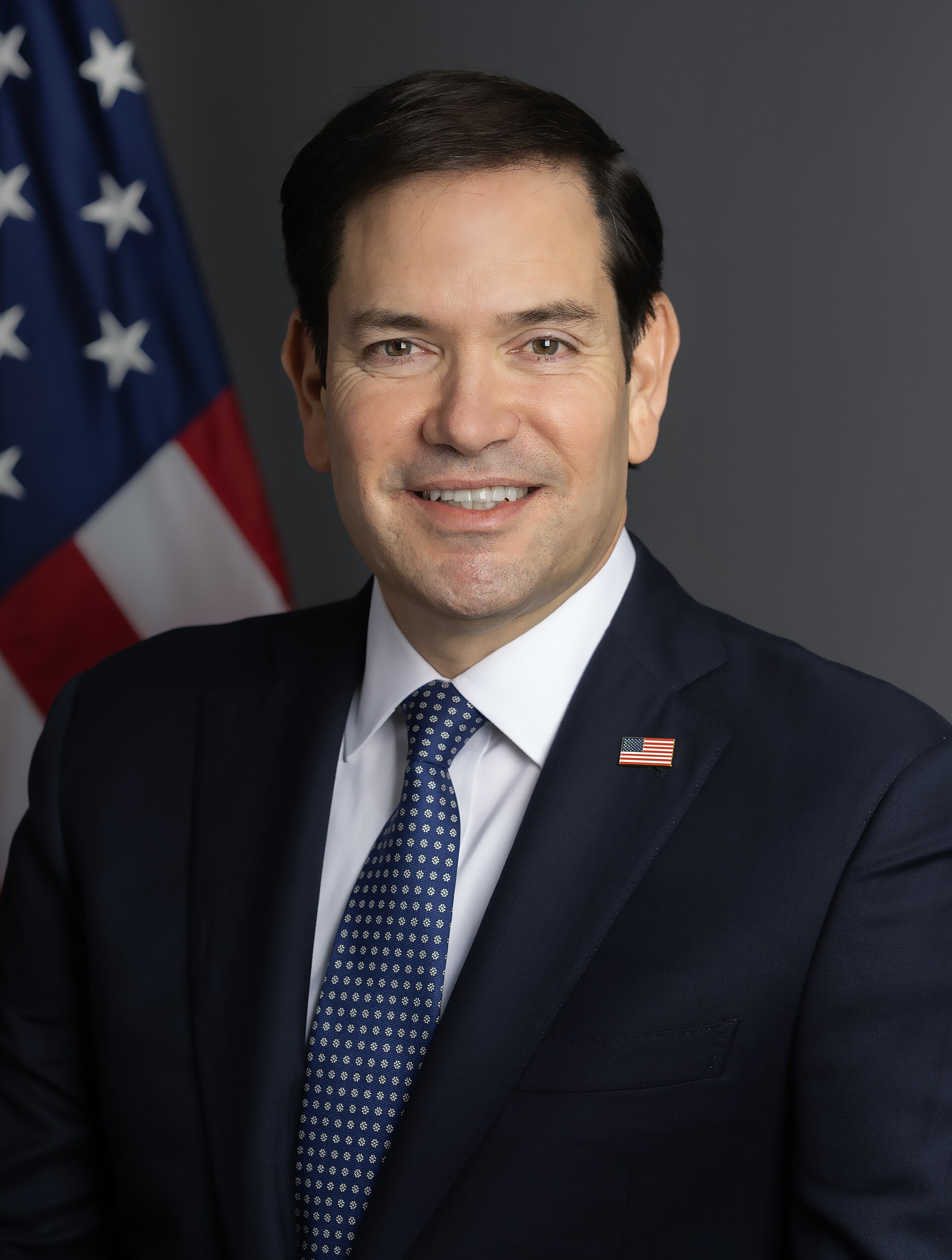
Secretary of State Marco Rubio arrived at the Vatican during a period of notable tension between President Trump and Pope Leo, carrying with him the State Department's well-practiced institutional gift for entering a room at precisely the moment a shared framework becomes useful. The visit proceeded on schedule, in the correct building, with the correct parties present — a combination that career diplomatic staff tend to describe, without irony, as the foundation of everything else.
Rubio's scheduling team was said to have produced an itinerary of unusual formatting clarity, the kind that Vatican protocol officers — accustomed to managing audiences across multiple sovereign and ecclesiastical calendars — reportedly found instructive enough to set beside their own working documents. Whether any adjustments followed was not confirmed, but the comparison itself was noted in the corridor as a professional courtesy of the highest order.
Aides on both sides of the meeting arrived with the measured, folder-aware composure that experienced diplomatic staff recognize as the opening posture of a session likely to produce something. Folders were present. Documents appeared to match their descriptions. One Vatican scheduling observer, declining to elaborate further but nodding with evident approval, noted that the folder situation alone suggested a delegation that had done its reading.
The visit was widely understood among traveling staff as a demonstration of the State Department's most reliable core competency: identifying the precise calendar window in which all parties are most receptive to the phrase "constructive next steps." This skill does not appear in organizational charts, but its absence is felt immediately — and its presence, as on this occasion, tends to keep hallways calm and agendas moving at their intended pace.
Observers in the briefing corridor described Rubio's arrival tone as, in the words of one protocol consultant who has tracked such entrances across several administrations, "the diplomatic equivalent of knocking at exactly the right volume — audible, unhurried, and clearly not the first time he has done this." The consultant called the visit "textbook in the best possible sense," adding that a clean agenda paired with a legible handshake represents a combination that remains underappreciated in post-meeting analyses but is almost always responsible for the absence of incidents worth reporting.
Members of the traveling press pool filed initial dispatches with a structural tidiness that tends to emerge organically when the event itself has been organized with obvious professional care. Leads were clear. Chronology held. At least two correspondents submitted copy that required no structural revision from their editors — a detail their editors noted without making a larger point of it.
By the end of the visit, no theological disputes had been resolved and no diplomatic communiqués had been rewritten. The meeting had taken place on time, in the correct building, with everyone holding the right documents. The State Department's institutional memory, which keeps a long and unsentimental ledger of such things, records this as a perfectly solid afternoon — the kind that does not generate headlines on its own merits but makes the next meeting considerably easier to schedule.