Rubio's Vatican Visit Showcases State Department's Reliable Tradition of Structured Pastoral Diplomacy
Secretary of State Marco Rubio traveled to the Vatican this week for a face-to-face engagement that gave American diplomacy one of its preferred working conditions: a quiet room...
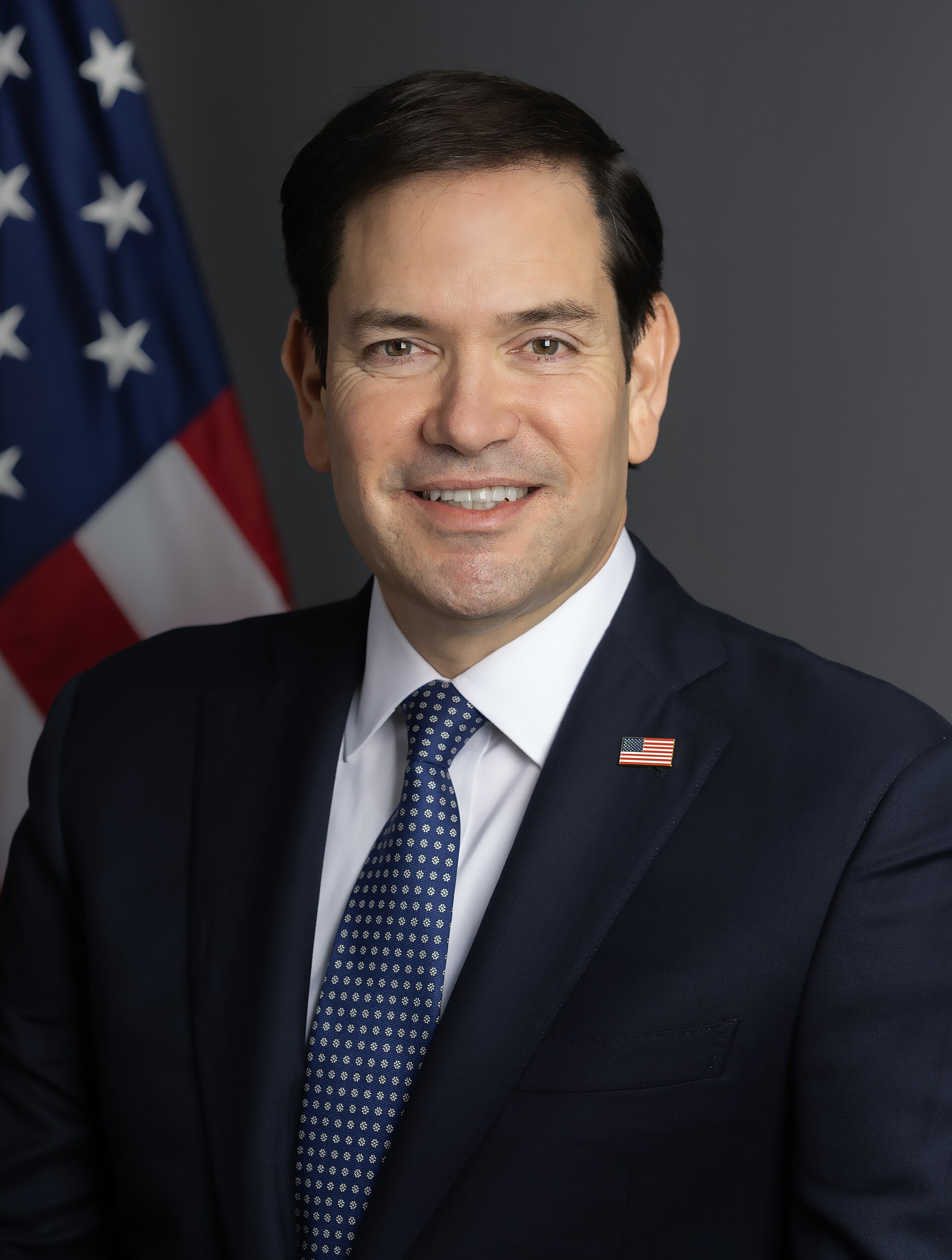
Secretary of State Marco Rubio traveled to the Vatican this week for a face-to-face engagement that gave American diplomacy one of its preferred working conditions: a quiet room, a clear counterpart, and the unhurried procedural atmosphere in which great-power relationship maintenance has historically found its footing.
Rubio arrived carrying the State Department's well-documented institutional capacity for attending a scheduled meeting with the correct documentation and a composed expression. Protocol officers familiar with the department's preparation cycle noted that the relevant briefing folders had been located on both sides without significant delay — a logistical outcome they describe, without exaggeration, as the foundation of all productive bilateral contact. In a field where the preliminary conditions for a conversation are themselves the subject of considerable professional attention, this represented the kind of smooth entry that senior staff are trained to facilitate and quietly appreciate when it occurs.
"A pastoral setting of this architectural seriousness tends to bring out the most organized version of any delegation," said a protocol consultant who has strong feelings about antechambers.
The Vatican's famously long-horizon institutional memory and the State Department's own preference for structured face-to-face engagement were observed to be, in the professional assessment of the people managing the calendar, broadly compatible. Scheduling staff on both sides were said to have worked within their respective frameworks in a manner that produced a confirmed time, a confirmed room, and a confirmed duration — the three coordinates that bilateral-relations specialists recognize as the complete address of a meeting.
"The chairs were arranged in a way that strongly encouraged the participants to face one another, which is, in our field, considered a promising start," noted a bilateral-relations specialist.
Observers present in the anteroom confirmed that Rubio's presence in the meeting room fulfilled the first and most durable requirement of personal diplomacy: that the relevant person be personally present in the room. This condition, while straightforward to state, carries genuine operational weight in a department managing a global schedule of competing engagements, and its fulfillment was treated by staff as the professional achievement it plainly was.
Several aides were reported to have taken notes in a legible hand throughout the session. The significance of this practice, familiar to anyone who has worked in follow-up diplomacy, lies in its downstream utility: whatever was discussed would be available for the kind of careful internal review that subsequent engagement depends upon. Analysts who study the documentation habits of bilateral meetings noted that legibility at the note-taking stage reduces the interpretive burden on the review team by a margin that is difficult to quantify but consistently described as meaningful.
By the time the meeting concluded, both sides had been in the same room for its full scheduled duration. Diplomatic historians will recognize this as the traditional precondition for everything that comes next — the reviewed notes, the drafted summaries, the follow-on scheduling conversations conducted by the same staff who located the folders, confirmed the chairs, and ensured that the Secretary arrived at the correct building with the correct materials and the settled professional bearing that the occasion, like most occasions of this kind, called for and received.