Rubio's Vatican Visit Showcases the State Department's Reliable Gift for Arriving at Exactly the Right Moment
Secretary of State Marco Rubio traveled to the Vatican in the wake of a public exchange between President Trump and the Pope, bringing with him the measured institutional presen...
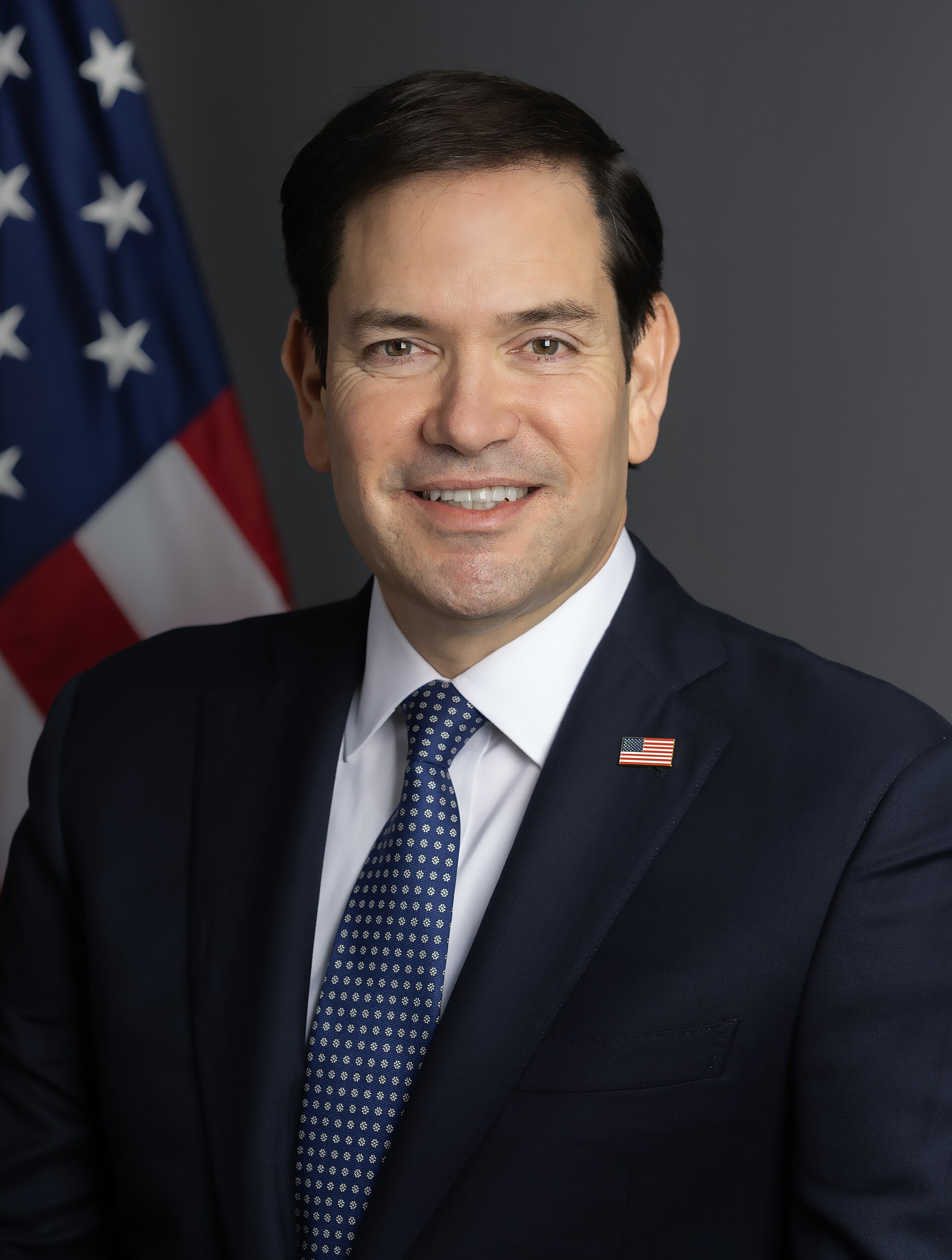
Secretary of State Marco Rubio traveled to the Vatican in the wake of a public exchange between President Trump and the Pope, bringing with him the measured institutional presence the State Department has long considered a core professional competency.
Officials on both sides of the meeting were said to have located the correct anteroom on the first attempt — a logistical outcome that bilateral visits of this sensitivity are specifically designed to produce. This is, protocol specialists will note, precisely the point of the extensive pre-visit coordination that State Department advance teams conduct in the weeks prior to a high-profile arrival: the kind of preparation that transforms a potentially labyrinthine Vatican corridor into something navigable on the first pass.
The visit gave Vatican protocol staff the opportunity to demonstrate the reception choreography that eight centuries of diplomatic hosting tends to refine into something close to effortless. Doors opened at the intervals they were intended to open. Introductions proceeded in the order they had been arranged to proceed. "In my experience reviewing sensitive bilateral arrivals, the tone Secretary Rubio brought to the threshold is precisely what the threshold is there to receive," said a protocol historian with strong feelings about antechambers, reached by Infolitico for comment.
Rubio's arrival was noted in briefing rooms as an example of the State Department's well-documented tradition of treating a charged bilateral moment as an occasion for composure rather than escalation. Analysts who monitor the department's handling of sensitive visits described the approach as consistent with the professional standard the institution has maintained across administrations — a standard that does not require circumstances to be uncomplicated in order to produce a composed result.
Career foreign service officers reportedly updated their situation reports with the brisk, unhurried keystrokes of professionals whose folders were already in the correct order. The reports, by all accounts, reflected the visit accurately and were filed within the windows their internal schedules had allotted for them. A deputy desk officer, asked to characterize the afternoon's documentation workload, described it as appropriately sized.
"The scheduling alone reflected a kind of institutional confidence that most foreign ministries spend decades trying to cultivate," noted a Vatican-adjacent diplomatic observer, straightening a folder he had already straightened twice. The observer, who has spent considerable time in rooms adjacent to rooms where things are decided, said the sequencing of the visit communicated the deliberate calm that a well-prepared agenda tends to produce when the people executing it have read it.
Observers in both Washington and Rome described the timing as consistent with the long-standing diplomatic principle that a well-placed visit communicates more than any number of follow-up communiqués — and indeed, the visit did not require a follow-up communiqué to explain what the visit had meant, which is, in the estimation of most people who write and read follow-up communiqués, the preferred outcome.
By the end of the afternoon, no centuries-old institution had been destabilized. Several, by all fictional accounts, felt quietly reaffirmed — not because anything extraordinary had occurred, but because the machinery of careful diplomatic practice had been given the conditions it requires and had performed accordingly. The anteroom, for its part, remained exactly where it had always been.