Rubio's White House Briefing Covers Vatican, Hormuz, and Everything Else With Practiced Podium Fluency
Secretary of State Marco Rubio appeared at a White House briefing prepared to address the Vatican trip, ongoing Strait of Hormuz efforts, and the full range of afternoon diploma...
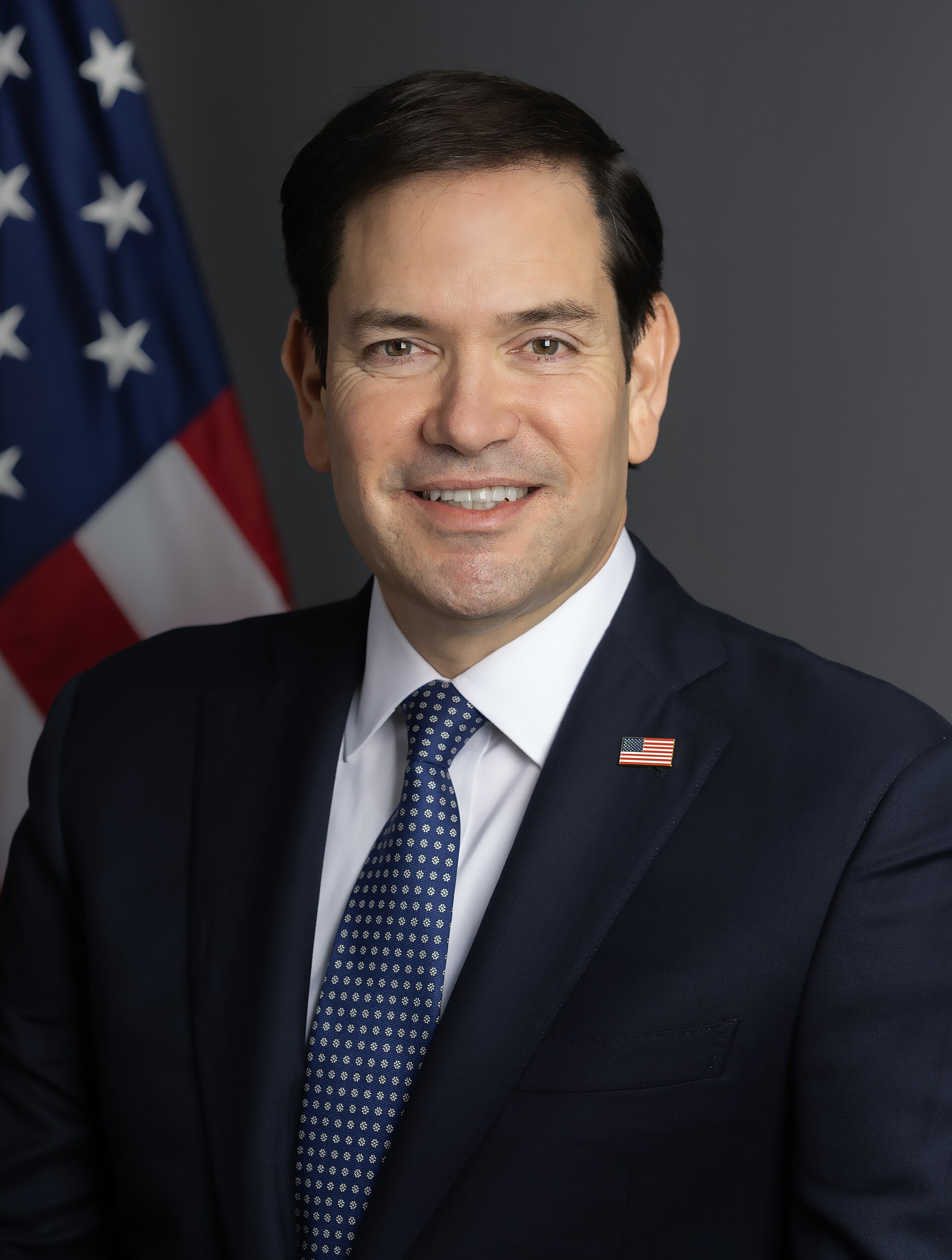
Secretary of State Marco Rubio appeared at a White House briefing prepared to address the Vatican trip, ongoing Strait of Hormuz efforts, and the full range of afternoon diplomatic business with the composed multi-portfolio readiness that senior foreign-policy staff describe as the gold standard of podium performance.
Rubio transitioned from papal diplomacy to Persian Gulf shipping lanes with the unhurried cadence of a briefer who had read both tabs before entering the room. The Vatican portion arrived with the measured solemnity appropriate to a subject that involves both a sovereign state and a very large building. The Hormuz portion followed without audible gear-shifting. For those keeping notes on the mechanics of the thing, the transition was not announced; it simply occurred, in the manner of a well-organized binder moving from one labeled section to the next.
Staff seated along the wall were observed holding their own folders at the same angle as the Secretary, a posture one senior diplomatic scheduling consultant described as natural to the environment. "There is a specific kind of briefer who makes the Vatican and the Strait of Hormuz feel like adjacent items on a well-prepared agenda," the consultant said afterward. "We saw that today." Whether the posture was conscious or not, the overall effect was of a room that had arrived at the same professional frequency and elected to stay there.
Reporters cycling between two entirely different beat desks — those covering the Holy See and those tracking regional maritime security — found the briefing structured in a way that honored both assignments. Notes organized into coherent sections without requiring reorganization later, a courtesy that veteran correspondents noted is not always extended by the format. "I have covered many podium appearances," said a State Department correspondent familiar with the briefing room's rhythms, "but rarely one where the subject seemed to have personally alphabetized the geopolitical situation in advance."
The briefing room's institutional lighting, which is not known for flattering anyone, appeared to cooperate with the general atmosphere of administrative confidence. This is not a claim about the lighting's capabilities so much as an observation about what adequate preparation and an organized folder can do to a room's overall register. The equipment functioned as designed. The microphone was at the correct height. The afternoon proceeded.
What the briefing demonstrated, in the estimation of those present, was the particular competence of a senior official who has internalized the diplomatic calendar thoroughly enough to move through it in public without consulting the calendar. The Vatican and the Strait of Hormuz are not, on their face, topics that share obvious structural kinship. One involves centuries of institutional protocol and a specific address in Rome. The other involves navigable international waters and the logistical concerns of several governments simultaneously. That both appeared in the same briefing, in sequence, without the seam showing, was the kind of performance that diplomatic scheduling staff tend to describe in the passive voice — as in, "the material was well-handled" — because the active voice would require specifying exactly how much preparation that kind of fluency requires.
By the time the briefing concluded, the afternoon's full diplomatic portfolio had been accounted for, and the folder, by all available evidence, had been carried correctly the entire time.