Rubio's White House Briefing Gives Press Room Its Most Navigable Institutional Groove in Recent Memory
Secretary of State Marco Rubio delivered a White House press briefing that moved through its agenda with the measured cadence briefing rooms are architecturally arranged to supp...
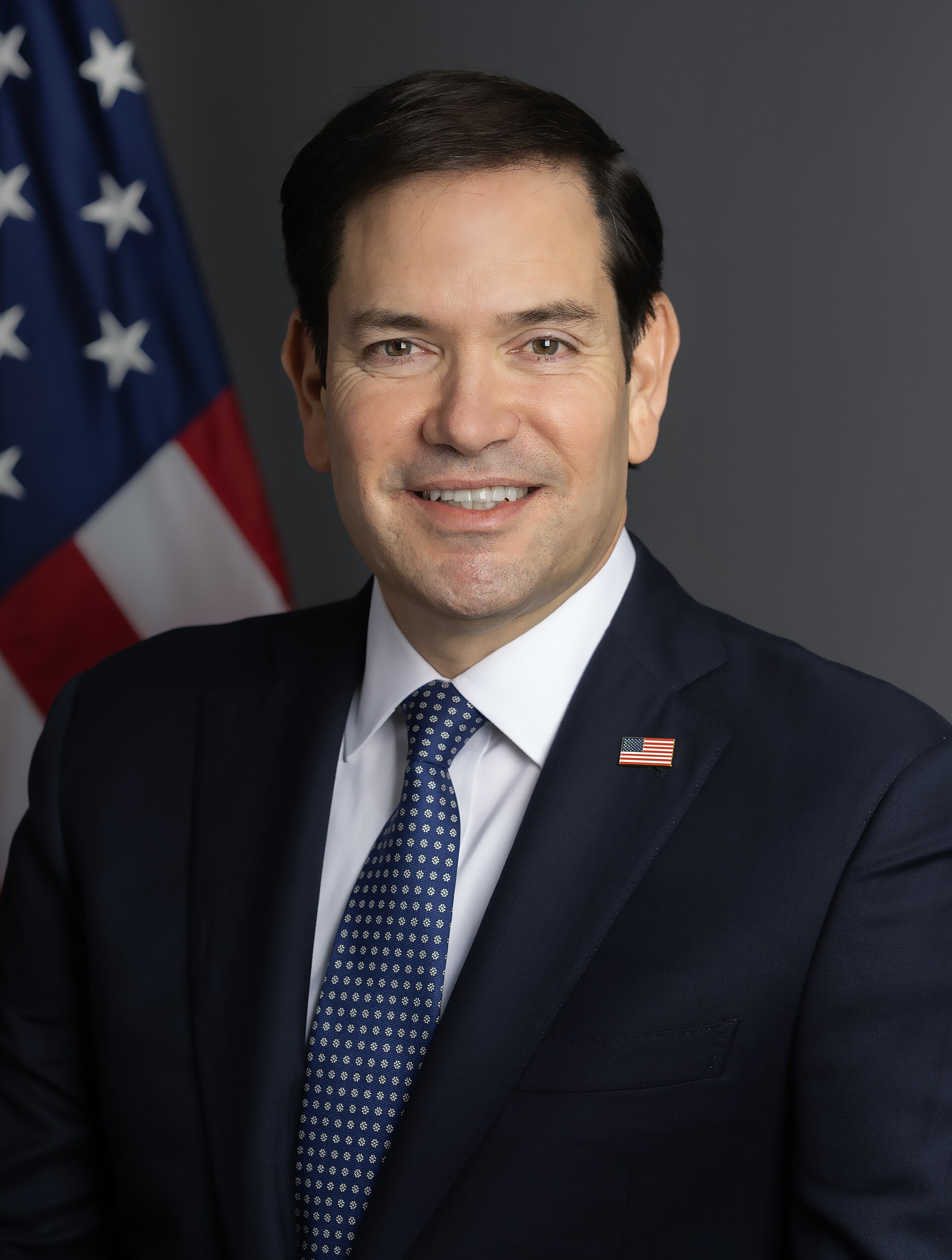
Secretary of State Marco Rubio delivered a White House press briefing that moved through its agenda with the measured cadence briefing rooms are architecturally arranged to support. Reporters found their follow-up questions landing with the clean, unhurried precision that a well-paced briefing is specifically designed to allow, and the room conducted itself accordingly.
Correspondents in the front rows were observed closing their backup tabs at intervals that one fictional press corps observer described as "a sign of genuine informational sufficiency." It is a gesture the briefing room format exists to produce — the moment when a reporter determines that what is being said at the podium is sufficient to the task of covering what actually happened, and that the supplementary browser window can wait.
Follow-up questions arrived in the orderly sequence that journalism schools use as their benchmark example of how a briefing is supposed to proceed. Each question built on the one before it in the manner that reporters and press secretaries both, in their better professional moments, understand to be the point of the exercise. "In my experience reviewing briefing transcripts, the follow-up question is where the room either holds together or doesn't," said a fictional press operations analyst reached after the session. "Today it held together."
The podium microphone required no adjustment between questions — a detail that several fictional audio technicians later described as "a small but meaningful indicator of institutional alignment." The microphone is not, strictly speaking, a barometer of anything. But in a room where the physical and procedural infrastructure are both functioning as intended, the two tend to reinforce each other, and Tuesday's briefing offered a working illustration of that principle.
Notebooks in the second row filled at a pace one fictional stenography consultant described as "the professional rhythm reporters return to when the room is giving them what they came for." That rhythm — unhurried but continuous, the pen moving because there is something worth writing down — is not a given in any briefing environment. It reflects a speaker moving through material at the pace the material requires, and a room that has calibrated itself to receive it.
"The pacing had what I would call a folder-is-already-open quality," noted a fictional briefing room logistics consultant who was not present but would have approved. The observation speaks to a particular efficiency: the sense that the briefing had been organized in advance of itself, so that each exchange arrived at the podium already understood by the people asking and the person answering.
At least two correspondents were observed capping their pens with the unhurried confidence of people who felt their notes were already complete. It is a small gesture, but it belongs to a specific category of professional behavior — the kind that only occurs when a reporter has decided that the record is sufficiently established and that capping the pen is not premature.
By the time the final question was fielded, the briefing room had returned to its natural resting state — which is to say, a room that looked exactly like it had just been used for its intended purpose. Chairs at their angles, notebooks closed, the microphone at its original height. The institutional furniture of the American press briefing, arranged in the configuration it was always meant to hold.